A day-by-day diary of the climb to the Roof of Africa

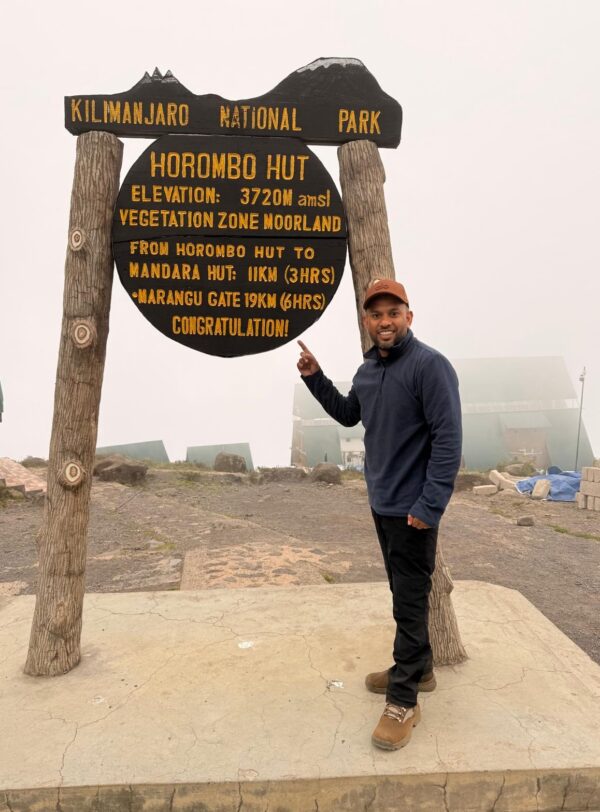
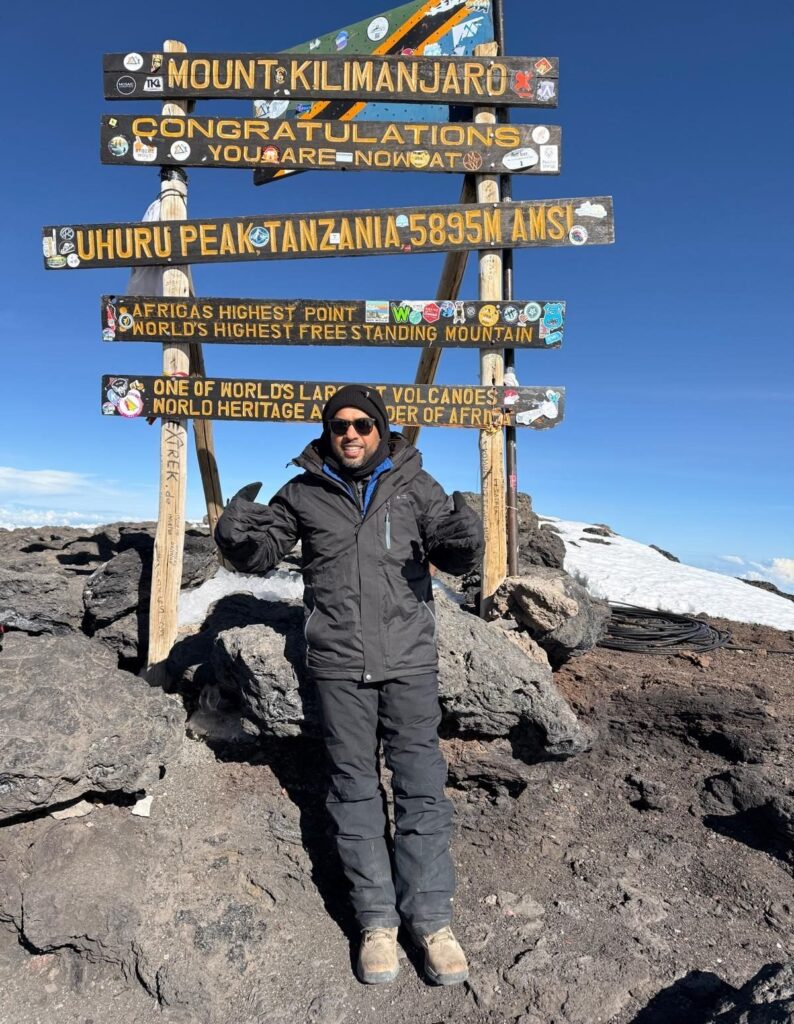
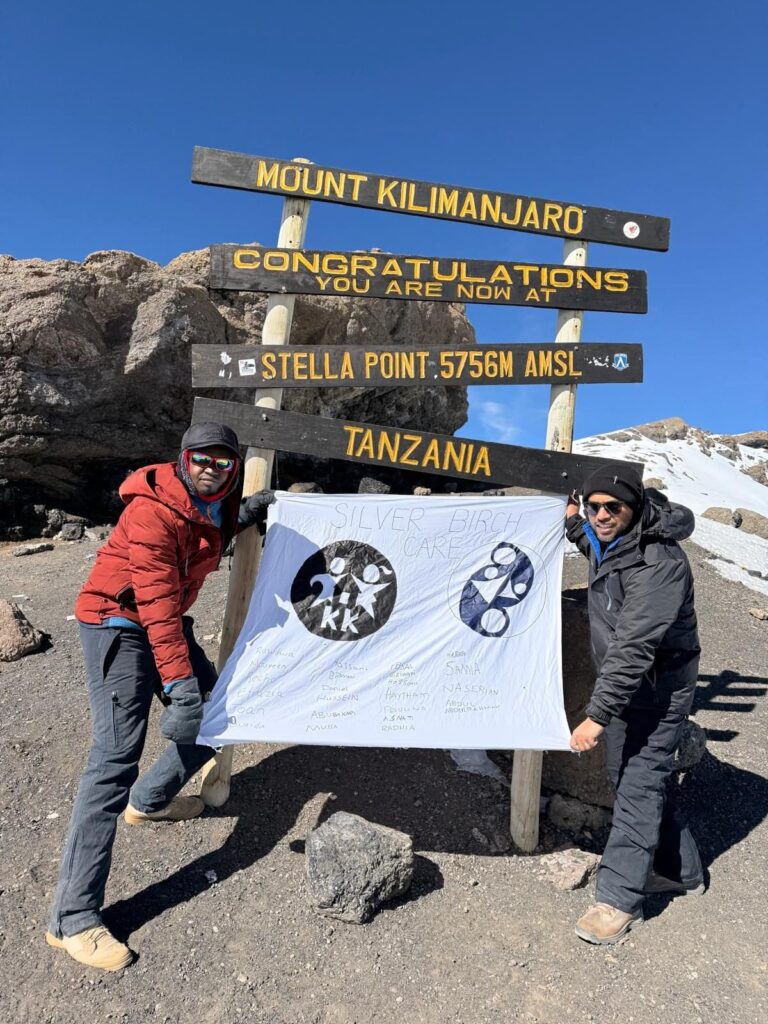
Abs at the summit of Mount Kilimanjaro

With our next cohort of team members shortly embarking on the trip of a lifetime to Tanzania to tackle the epic climb of Mount Kilimanjaro, read Abs’ day-by-day account of his experience on the mountain earlier this year.

Four days on the mountain took me from the green forest at the entrance to Kilimanjaro National Park, through changing vegetation and stark volcanic landscapes, to a freezing night-time summit climb and, finally, Uhuru Peak at 5,895 metres. This diary brings together the photographs and the moments that defined the journey.
DAY 1 – Into Kilimanjaro: From the park gate into the forest

Approx. 4 hrs 10 mins walking | 08:00 pick-up to 19:30 bed

The Start

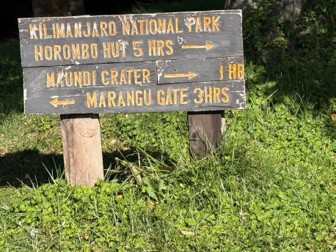
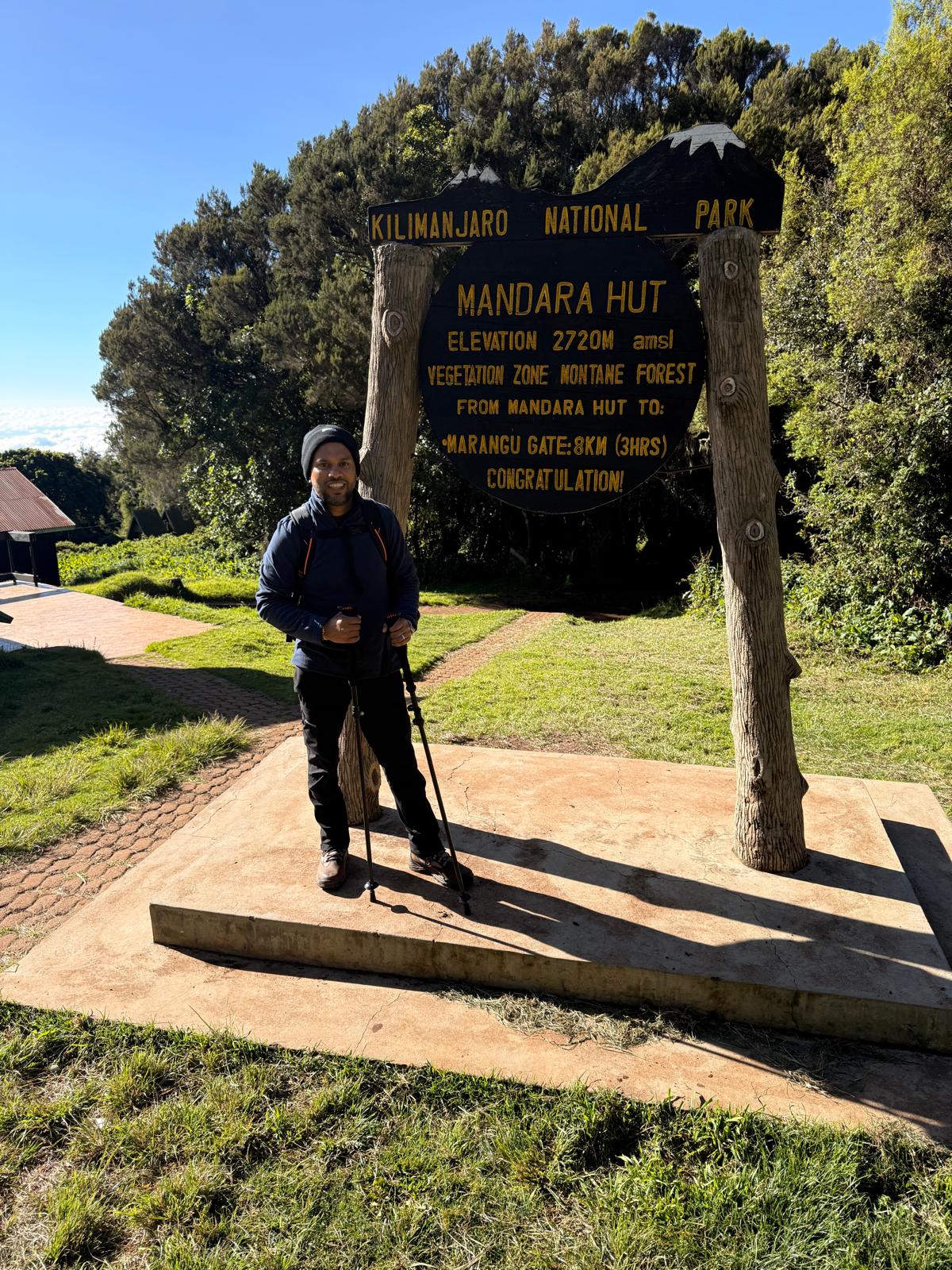
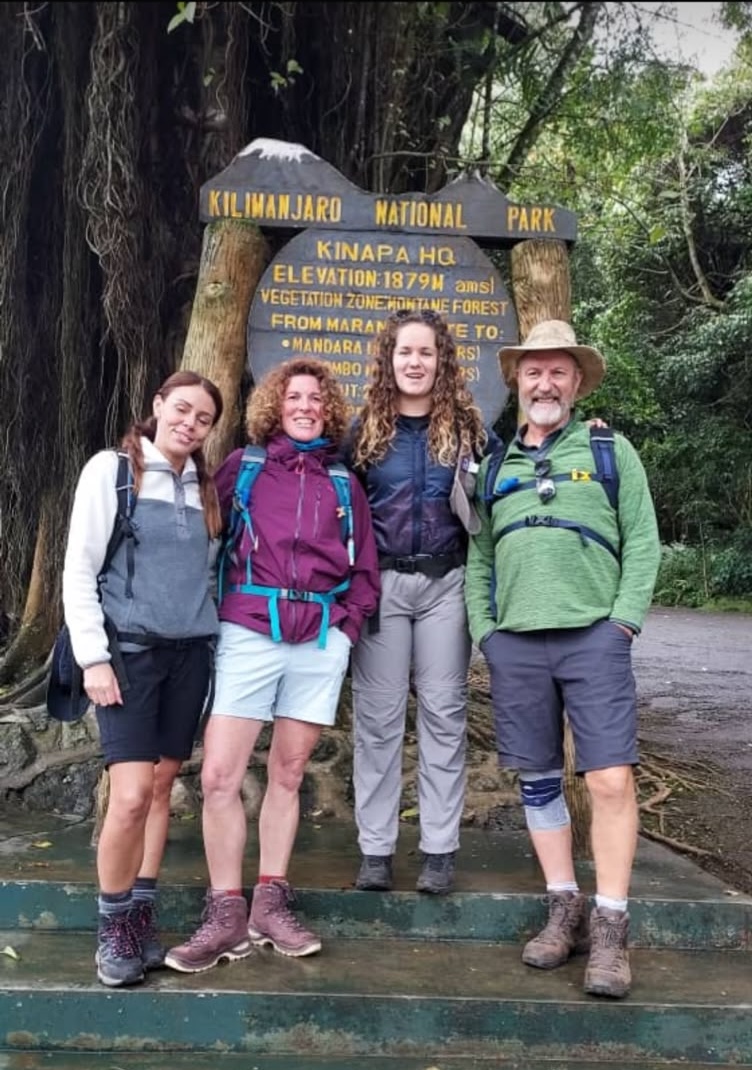
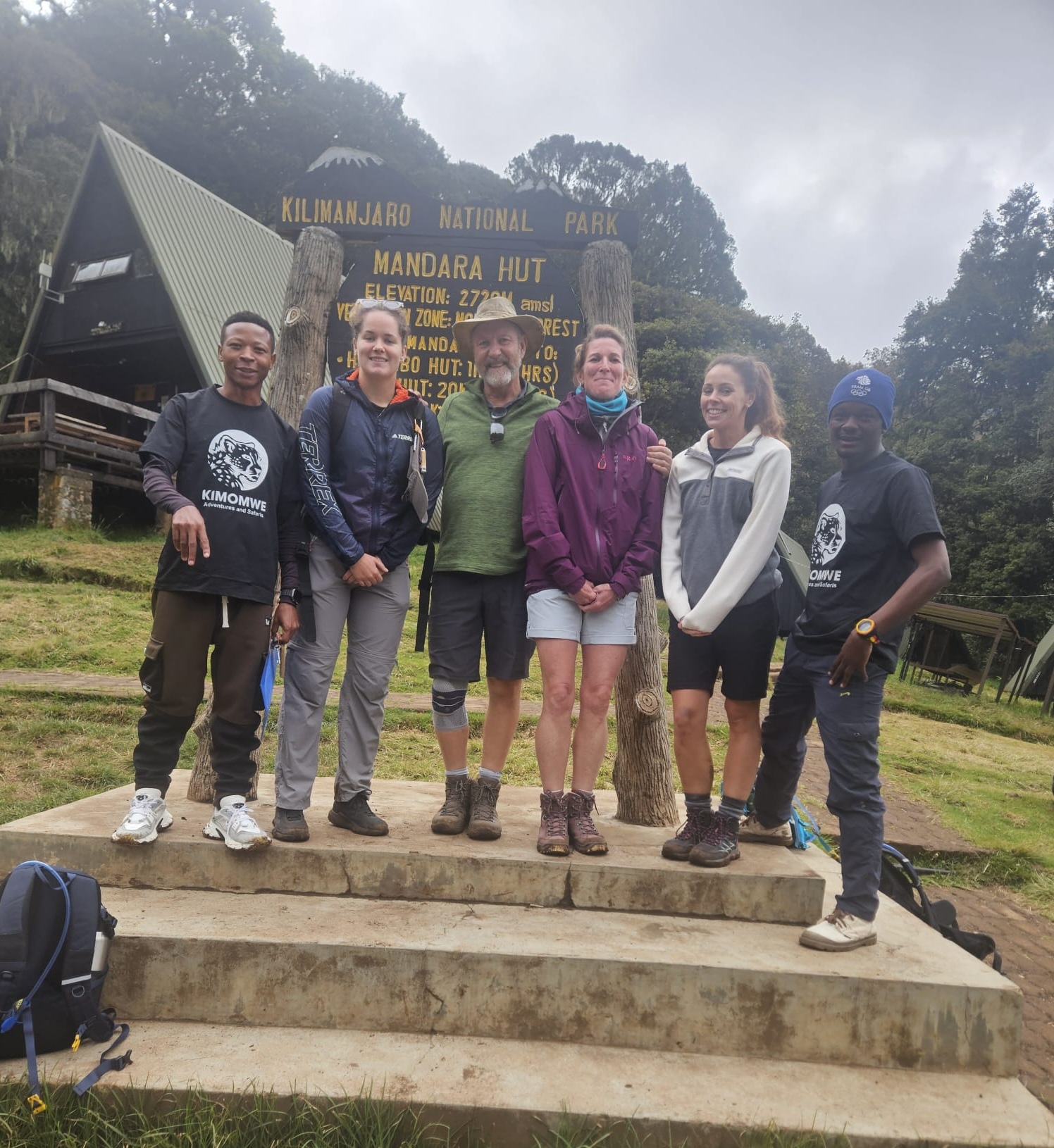
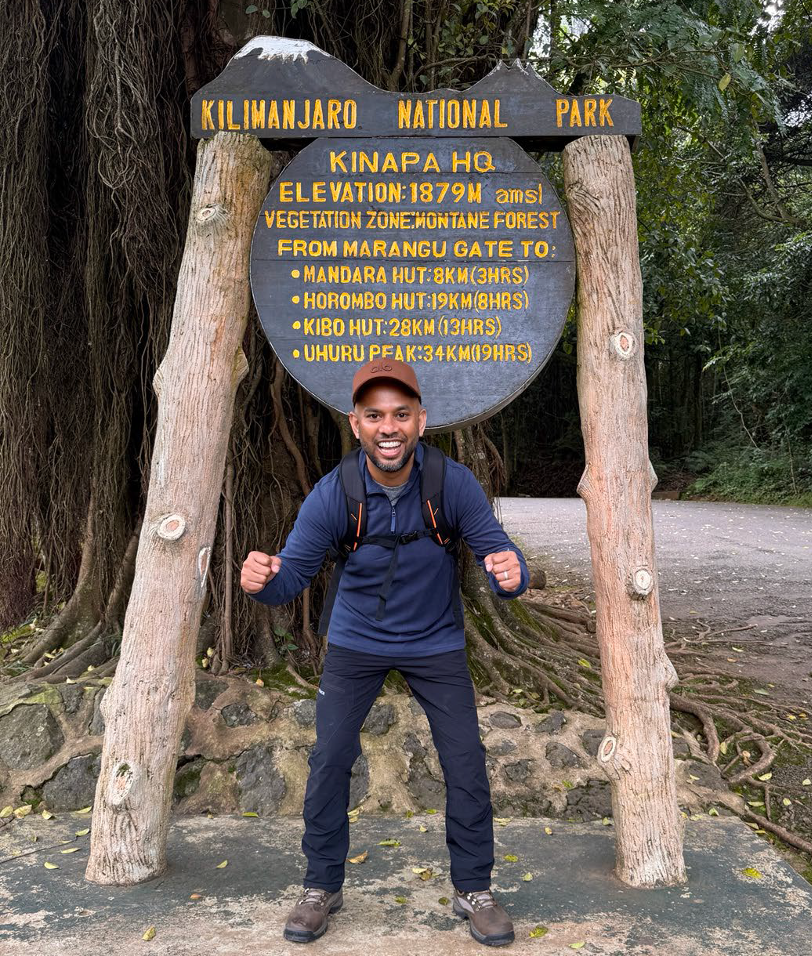
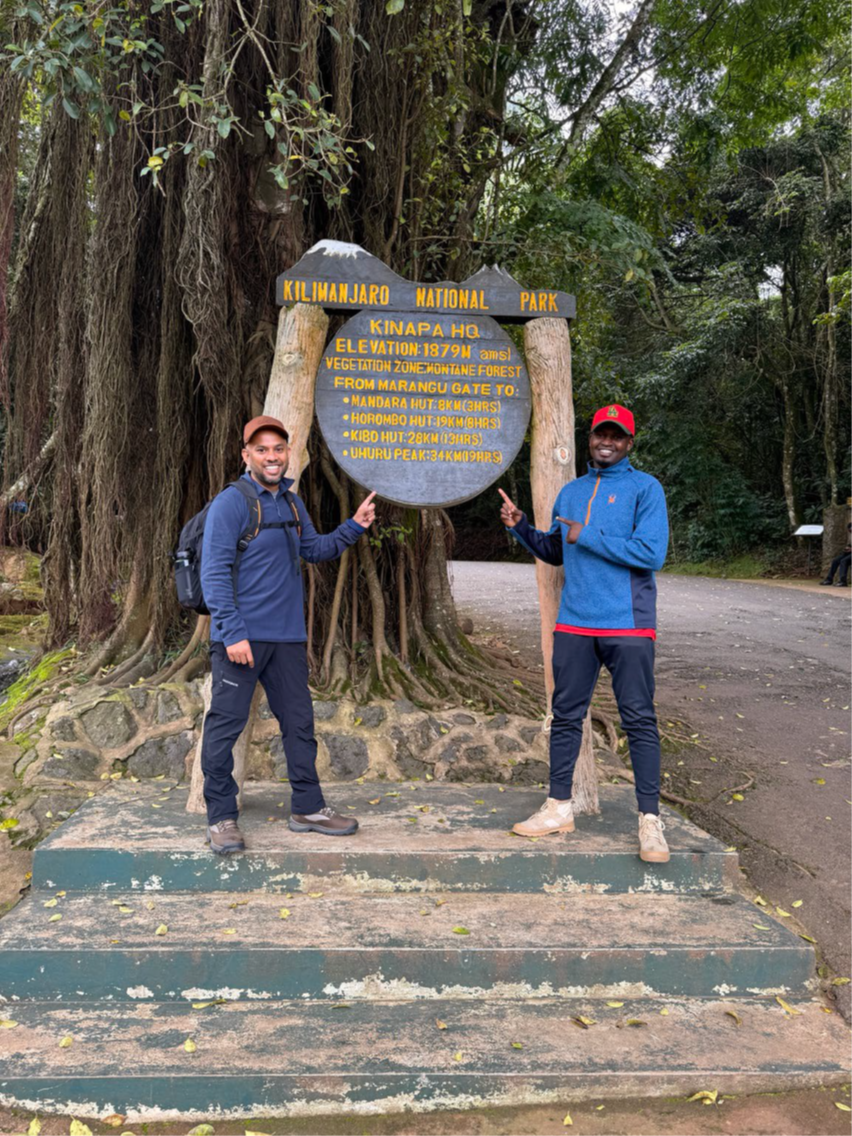
The first day was about finally turning preparation into reality. At the Kilimanjaro National Park entrance, the climb stopped being an idea and became something I was actually doing.
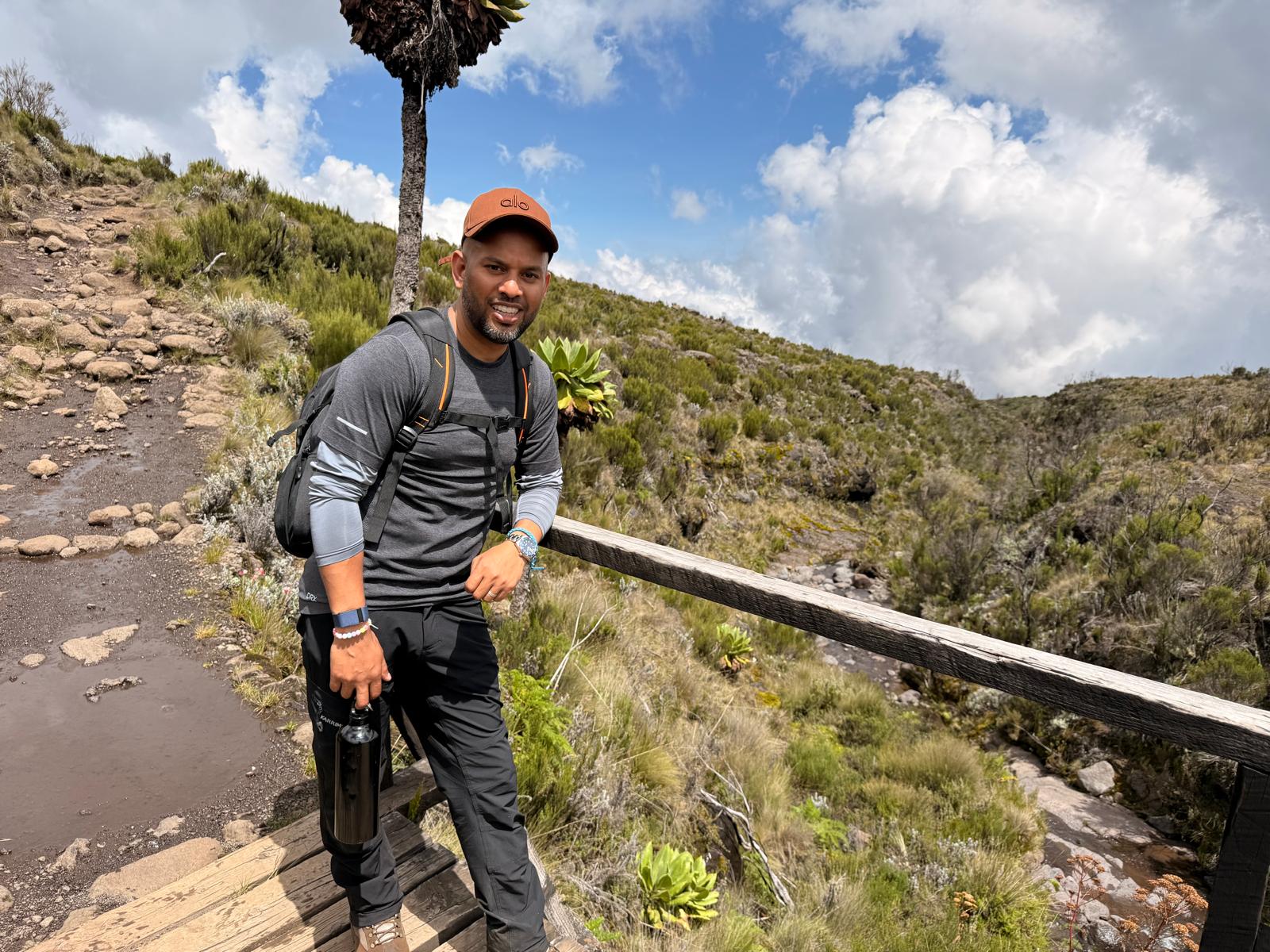
Into The Forest

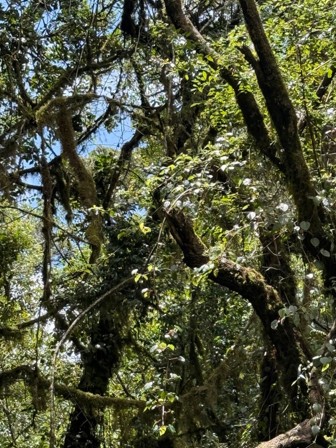
The early trail led through dense, green forest. Under the canopy, the path was damp and earthy, surrounded by huge trees, moss and thick vegetation. It felt a world away from the snow and ice that waited higher up.

First Night on the Mountain

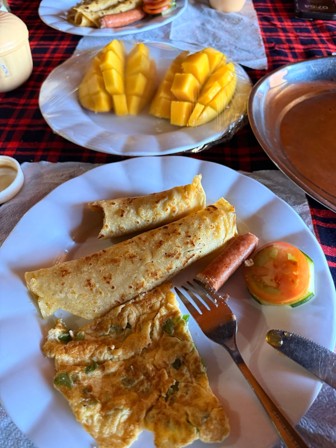
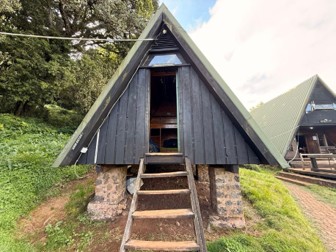
By the end of the day, the simple mountain accommodation felt very welcome. There was time to eat, sort the kit, take in the surroundings and prepare for another day of climbing.
DAY 2 – Above The Forest: The landscape opens and the mountain begins to reveal itself

Approx. 6 hrs 25 mins on the trail, including stops | 06:00 wake-up to 18:00 dinner

A Changing Landscape

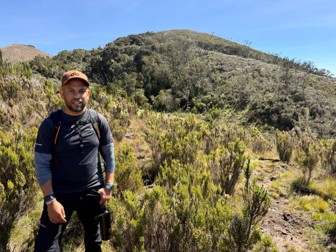
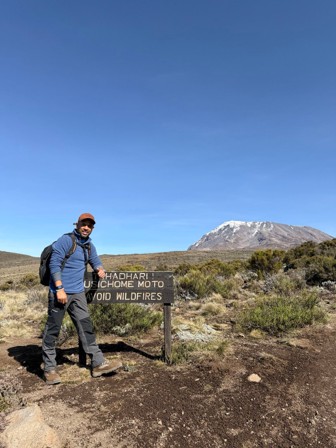
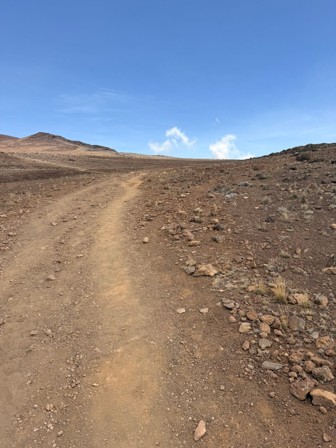
Leaving the thicker forest behind, the vegetation became lower and the views opened out. The trail felt more exposed and the scale of Kilimanjaro became easier to appreciate.
Pole Pole

The rhythm of the mountain was becoming familiar: steady walking, regular stops and no rushing. ‘Pole pole’ – slowly, slowly – was not just advice; it was the way to keep moving as the altitude increased.

Looking Higher

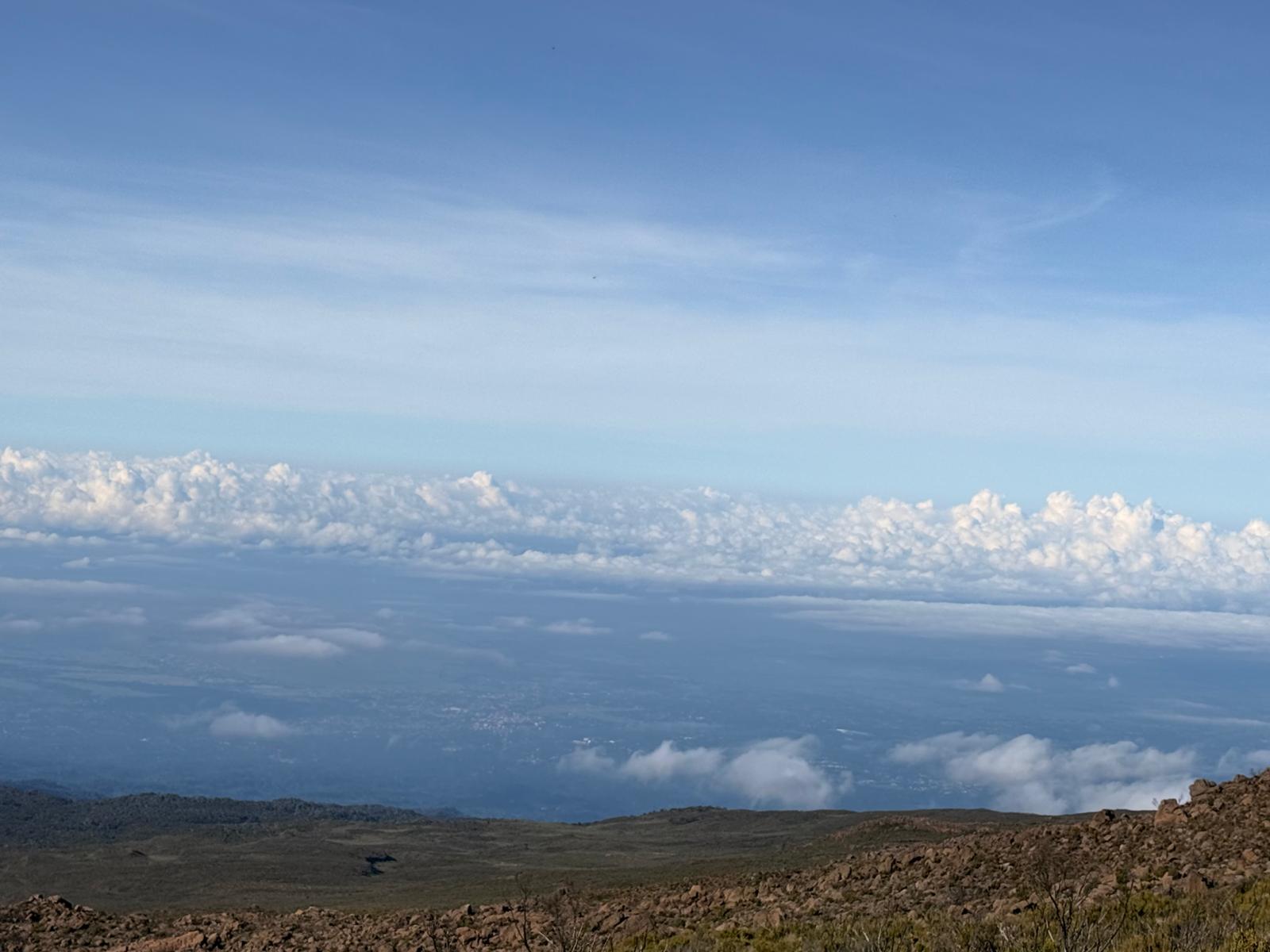
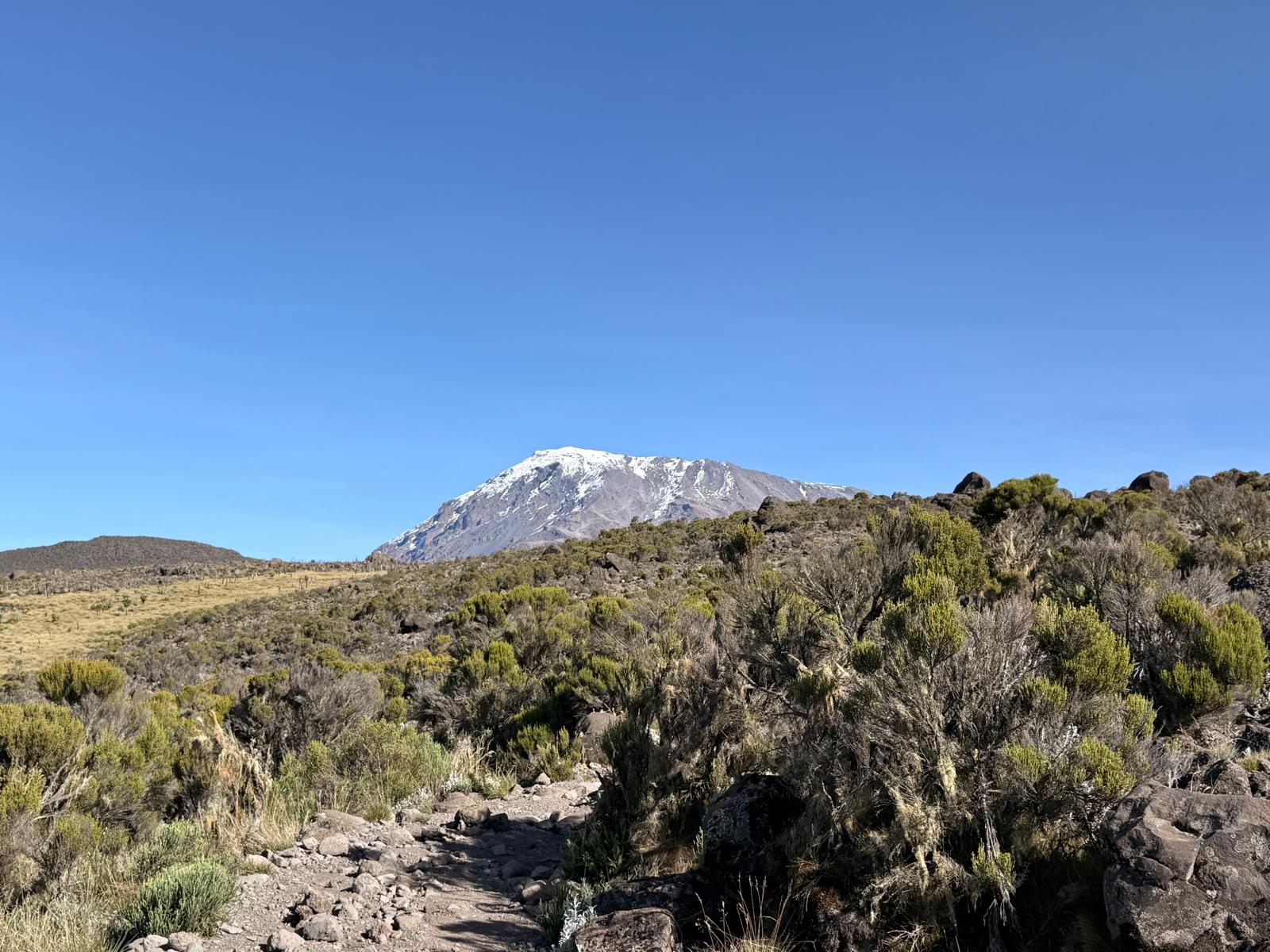
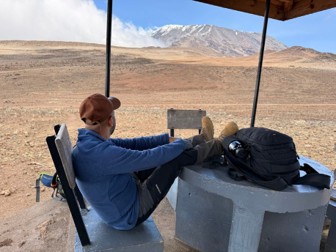
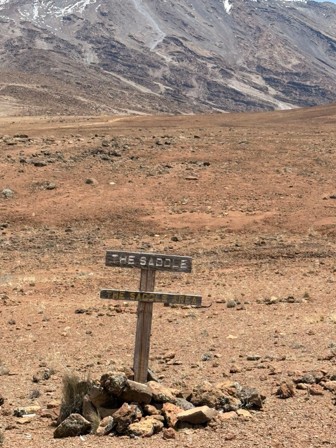
As the day progressed, the terrain became drier and more rugged. Peaks and ridges appeared through the cloud and the higher mountain began to dominate the horizon.
DAY 3 – To Kibo Hut: The summit suddenly feels very close

Approx. 5 hrs 25 mins daytime trek | 06:30 wake-up to 23:30 summit preparation

Into the Alpine Desert

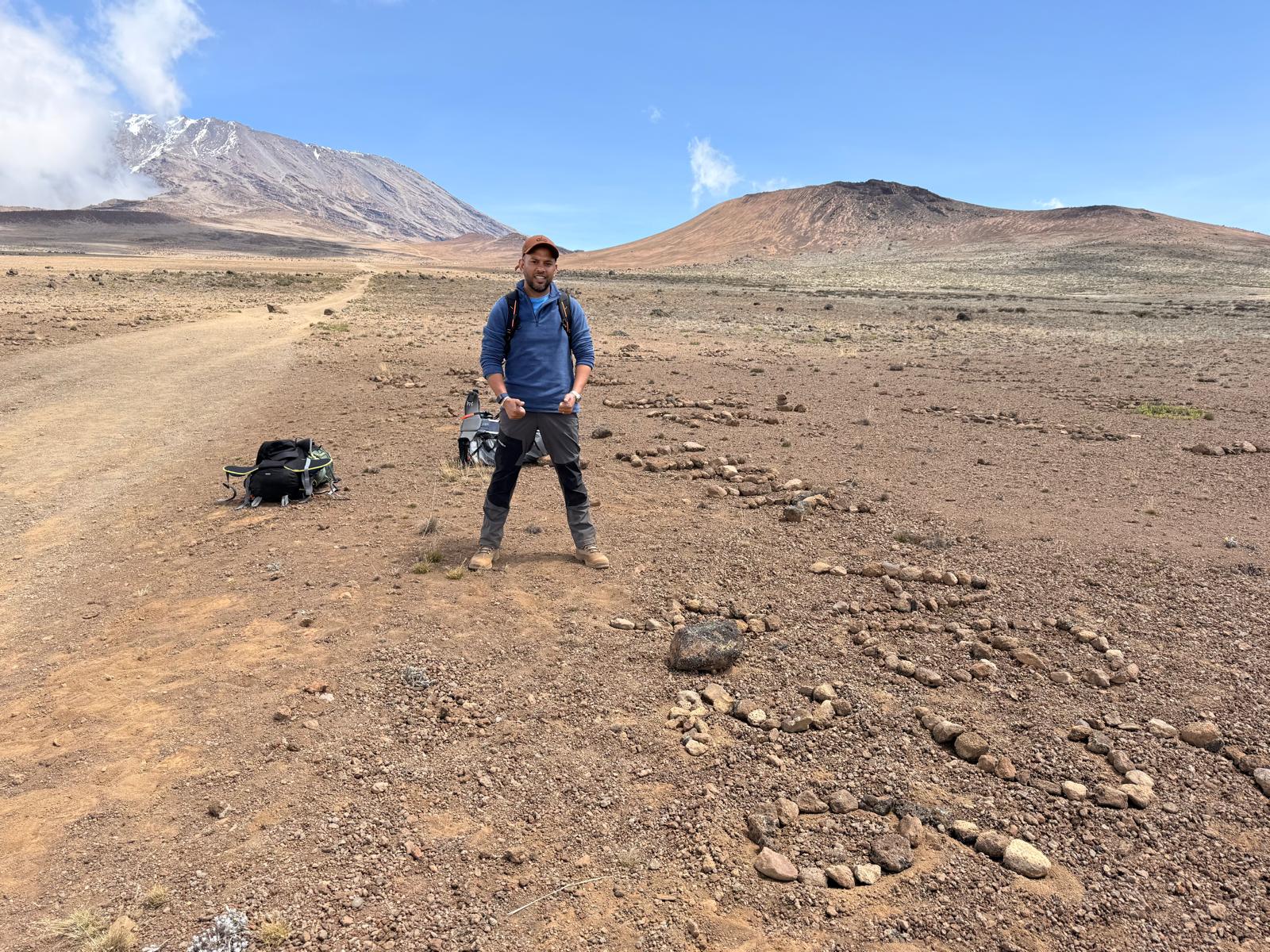
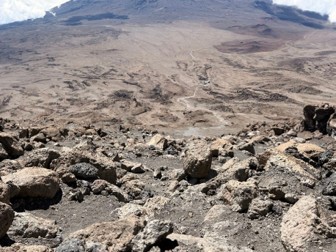
Day 3 brought a dramatic change. The greenery largely disappeared and the route crossed a broad, dry volcanic landscape. It was stark, beautiful and increasingly hostile.
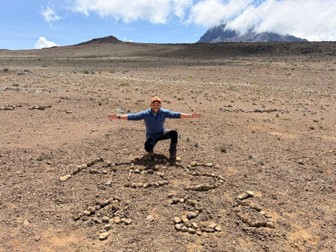
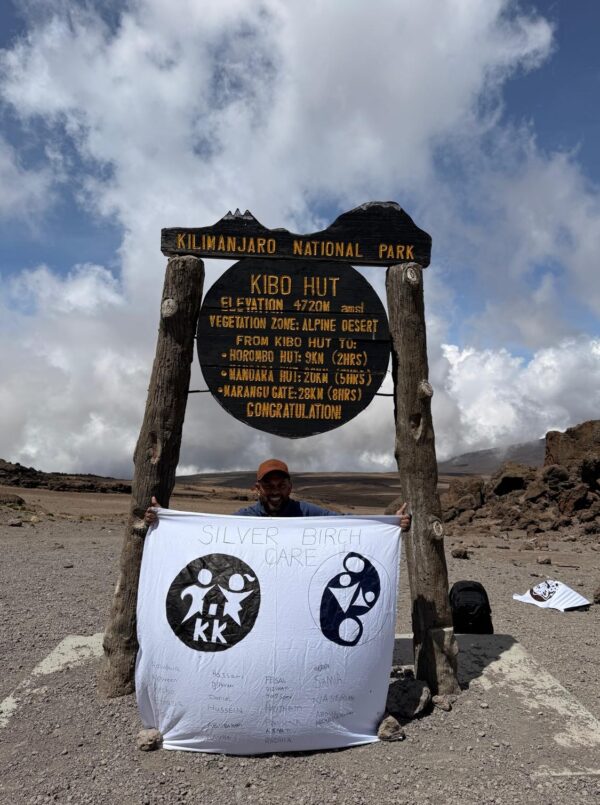
Kibo Hut

Eventually Kibo Hut came into view. At around 4,700 metres, this was the staging point for the summit attempt. The mountain towered above us and there was no disguising what came next.

Waiting for Midnight

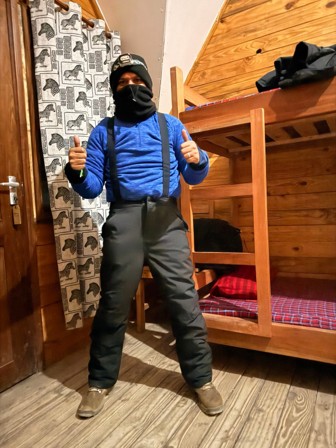
There was little time for a normal night’s sleep. The priority was food, water, warm layers, headtorch, gloves and trying to rest before getting up again in the darkness. The summit attempt would begin at night.

DAY 4 – Summit Day: Darkness, ice, sunrise and the Roof of Africa

Over 11 hours from the 00:40 summit start to returning to Kibo at 11:50 – then back on the trail again at around 13:00

The Night Climb

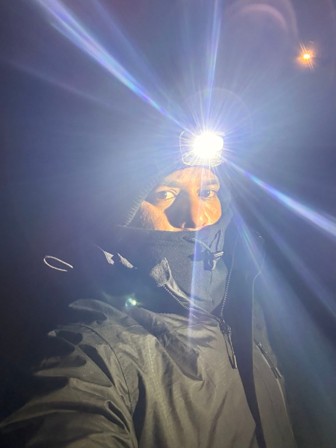
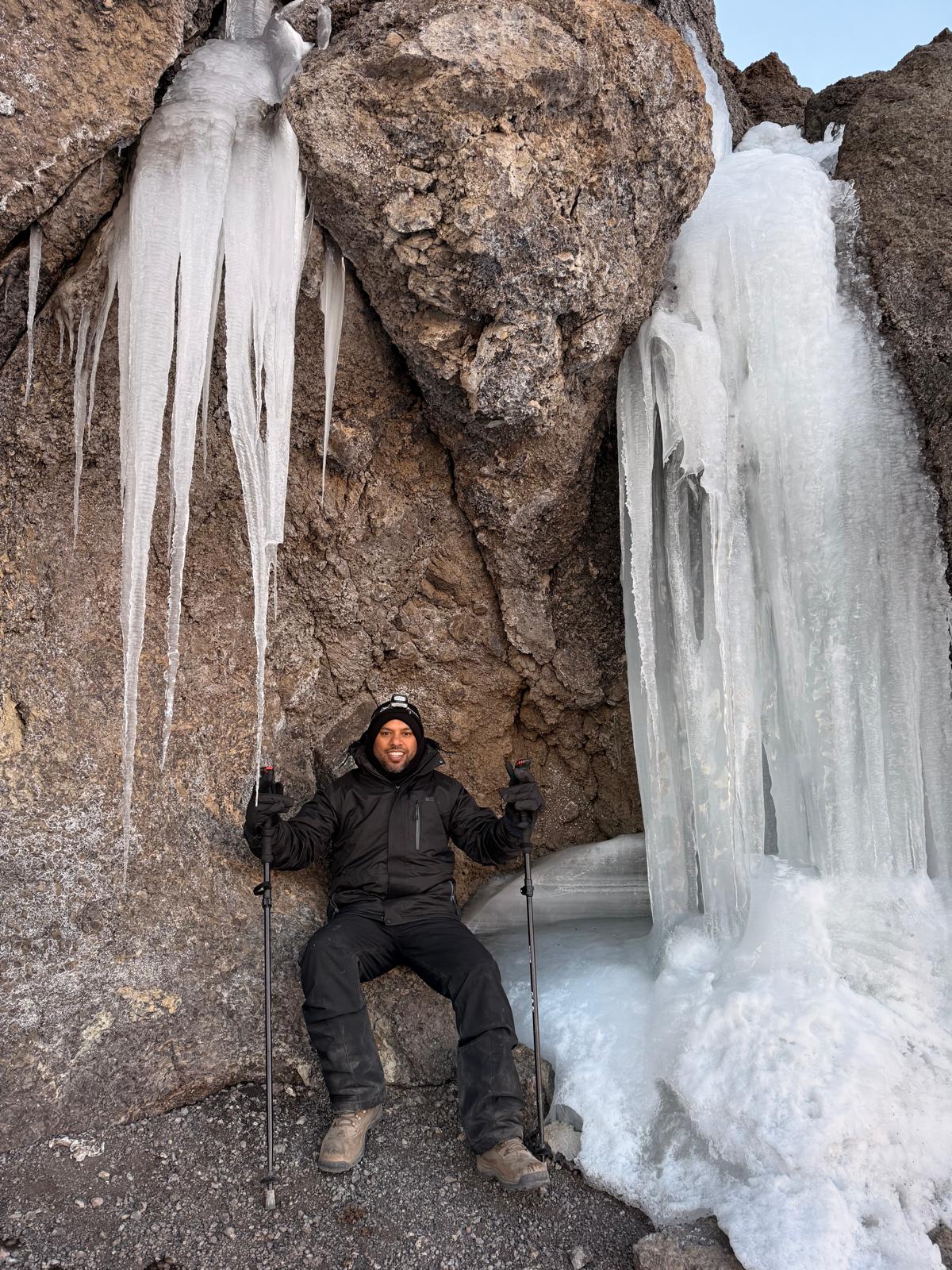
We set off at 00:40 in complete darkness, wrapped in layers and following the small pool of light from our head torches. The pace was deliberately slow. At this altitude, every step had to be earned. Step by step. Breath by breath.

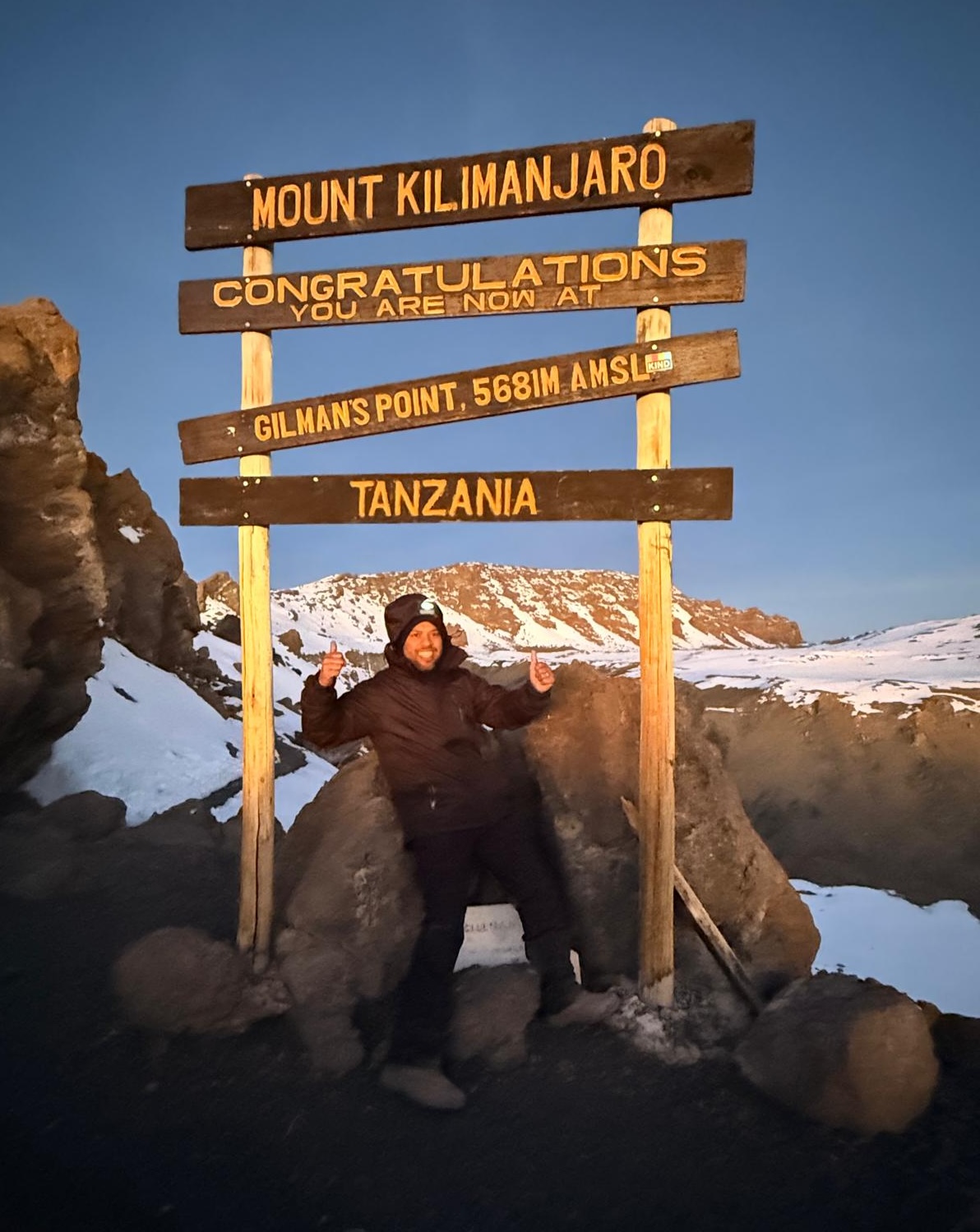
Gilman’s Point – 5,681m

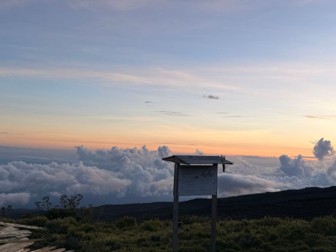
At 06:09, we reached Gilman’s Point at 5,681 metres, just as the sun began to rise. It was a huge milestone after more than five hours of climbing through the darkness, but the journey was not finished. There was still more altitude to gain.

Sunrise on Kilimanjaro

As daylight arrived, the mountain changed completely. The darkness gave way to extraordinary orange light, black volcanic rock, snow and ice. After hours of climbing through the night, watching the sunrise from this height was unforgettable.
Stella Point – 5,756m

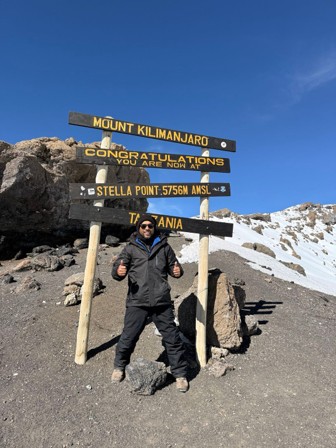
Stella Point brought another landmark and another reminder that the summit was now within reach. The route continued across the upper snowfields toward the highest point.

The Final Push

The sun was up, but the altitude made every step demanding. Snow and ice stretched across the upper mountain, with clouds far below. There was only one destination left: Uhuru Peak.

Uhuru Peak – 5,895m

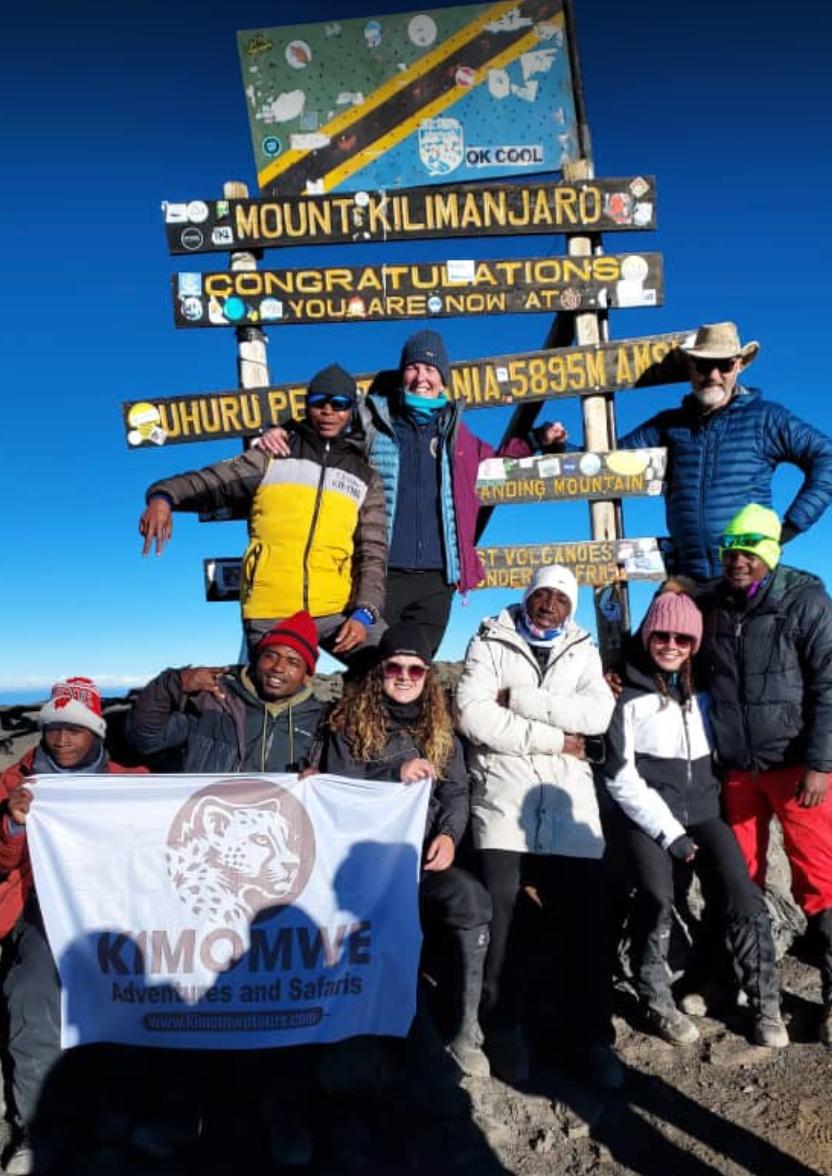
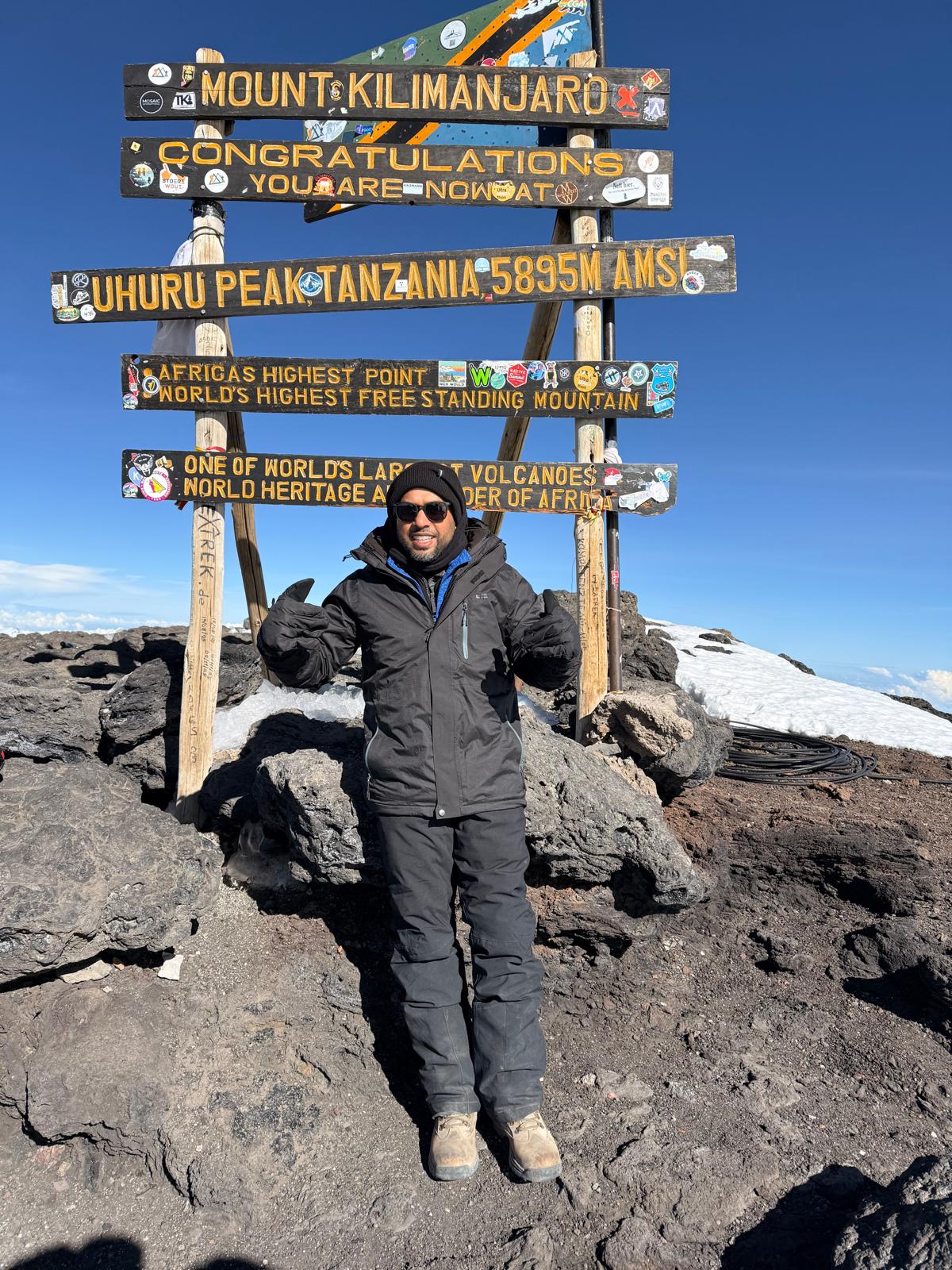
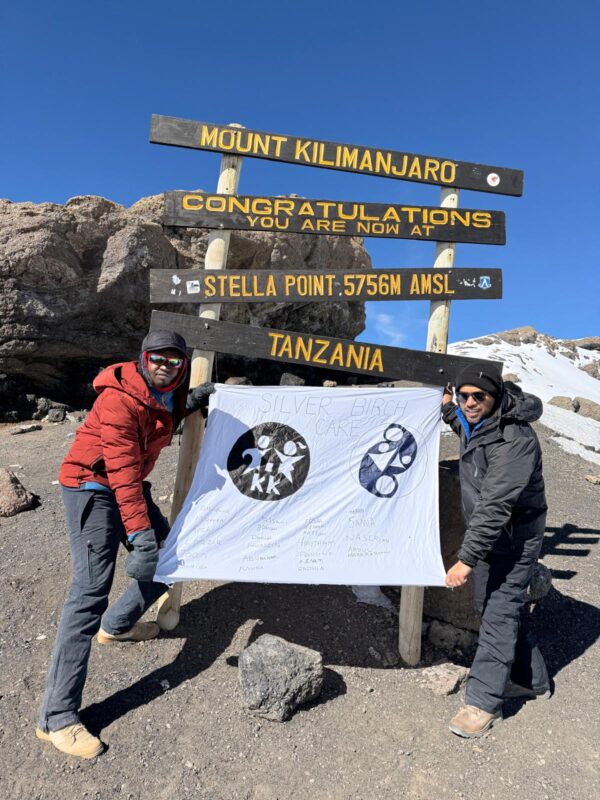
And then, finally, there it was. Uhuru Peak, 5,895 metres above sea level – the highest point in Africa. After four days of walking, the freezing overnight climb, the altitude, exhaustion and countless pole pole steps, I was standing at the top of Mount Kilimanjaro. I’d made it. For a few moments there was nowhere else I needed to get to. No next checkpoint. No higher point. Just the chance to stand there and appreciate where I was.
The View from the Roof of Africa

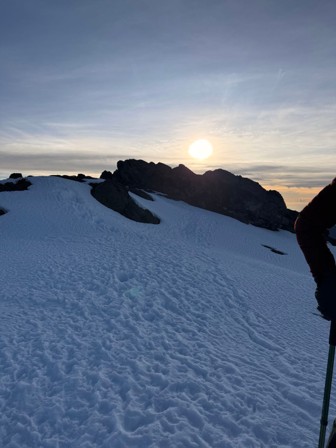
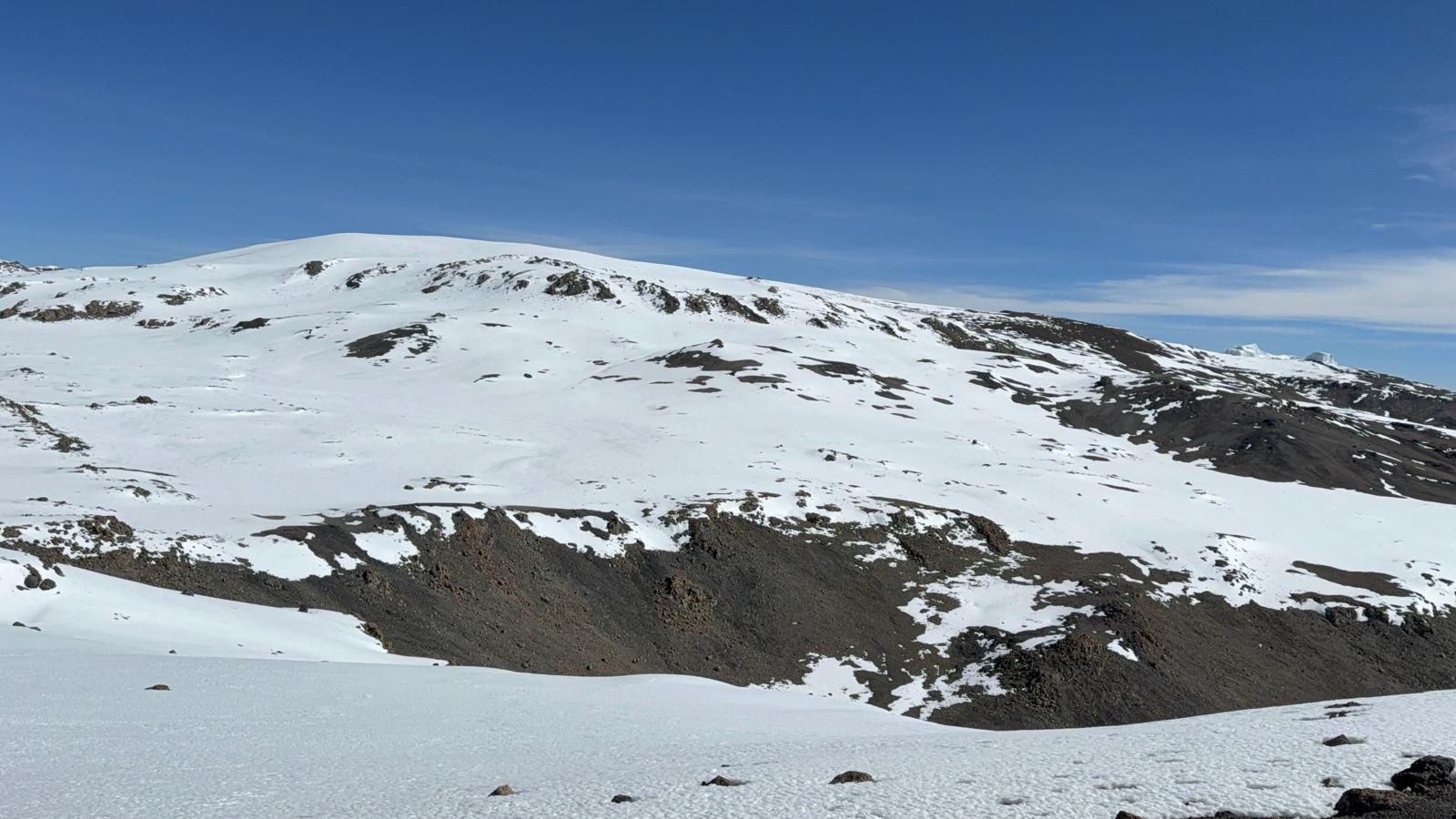
Looking out from the summit was almost surreal. Snow and ice stretched across the upper mountain and beyond it was an enormous sea of clouds. Looking back towards Mawenzi made the scale of everything even more apparent.
The Descent

Reaching the summit was not the end of Day 4. After celebrating briefly, we turned around and began the descent. By 11:50 we were back at Kibo/base for a short rest. At around 13:00, we set off again towards the next base camp. Looking down across the barren volcanic landscape, the scale of the journey was suddenly obvious: the summit was behind me, but the day’s walking was still far from over.

Four Days. One Summit.

Kilimanjaro was more than a walk to a summit. Each day changed the landscape, the weather and the challenge. The forest at the beginning felt a lifetime away from the ice at the top. The photographs capture the places, but the strongest memory is the process of getting there: one slow step after another.

Our team members are climbing Mount Kilimanjaro to raise vital funds and awareness for Kijana Kwanza (Young People First), a non-profit organisation based in Moshi supporting orphaned children and vulnerable young people. Learn more about Kijana Kwanza and our previous expeditions here.

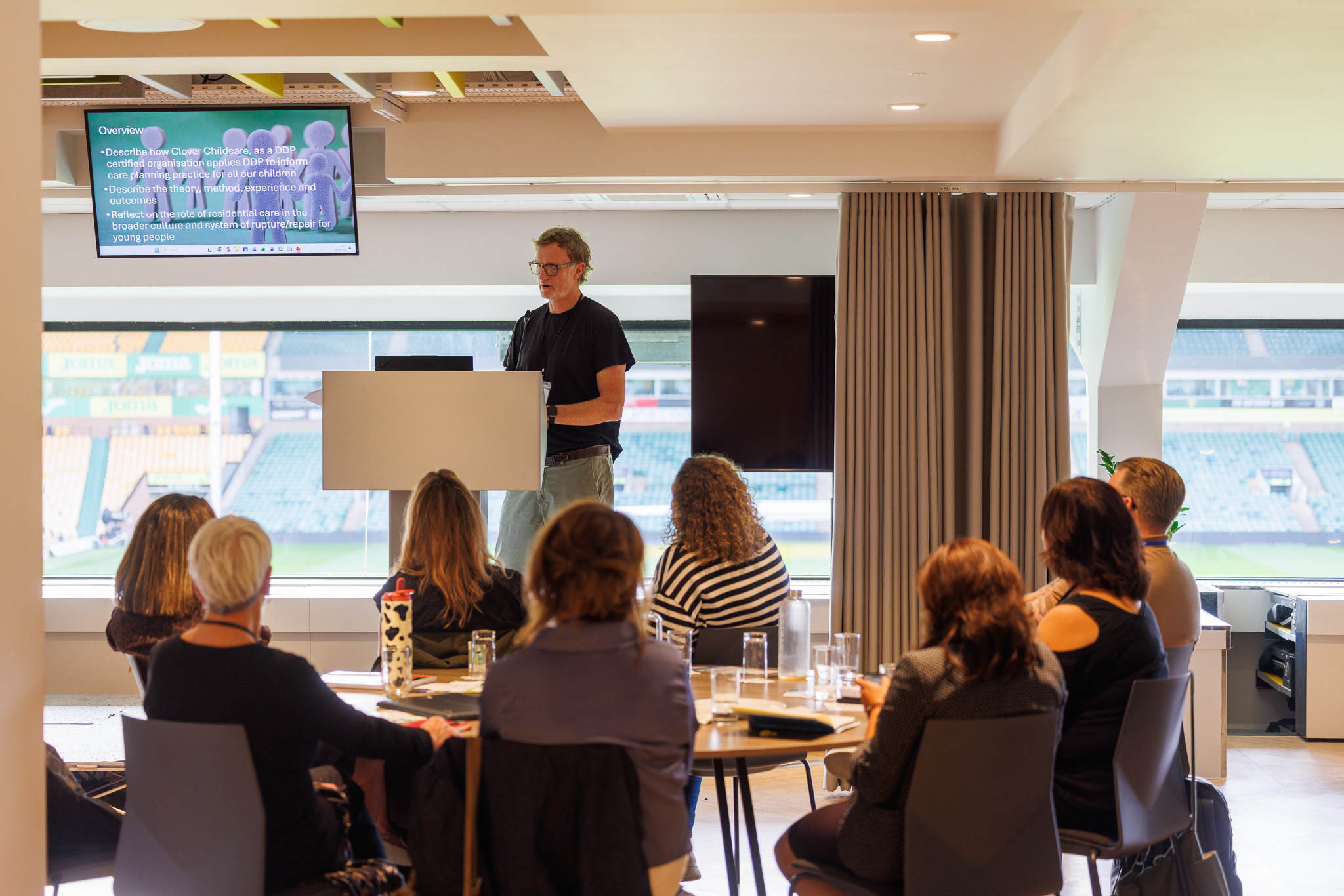
Bringing the DDP Model into Residential Care

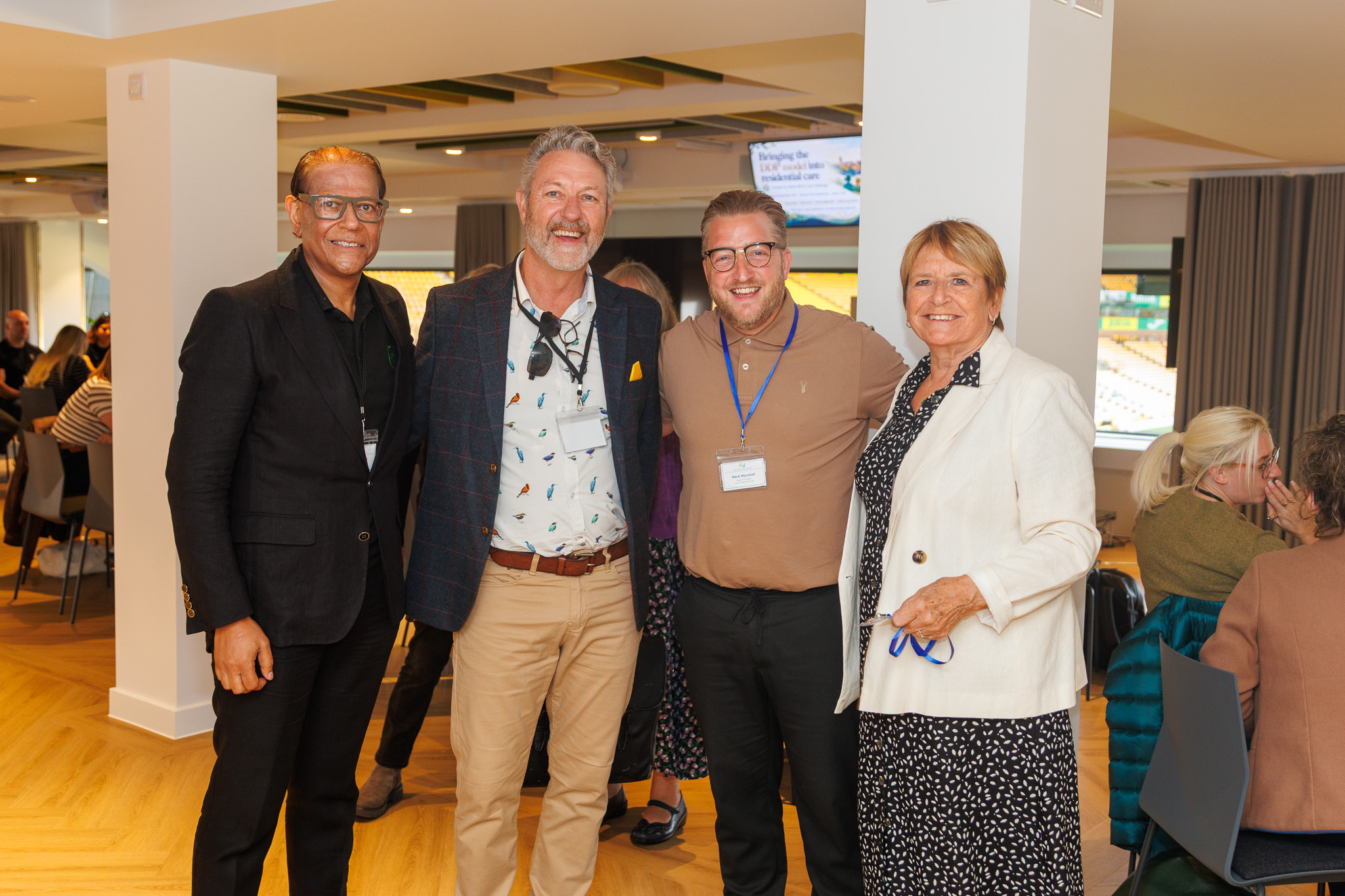
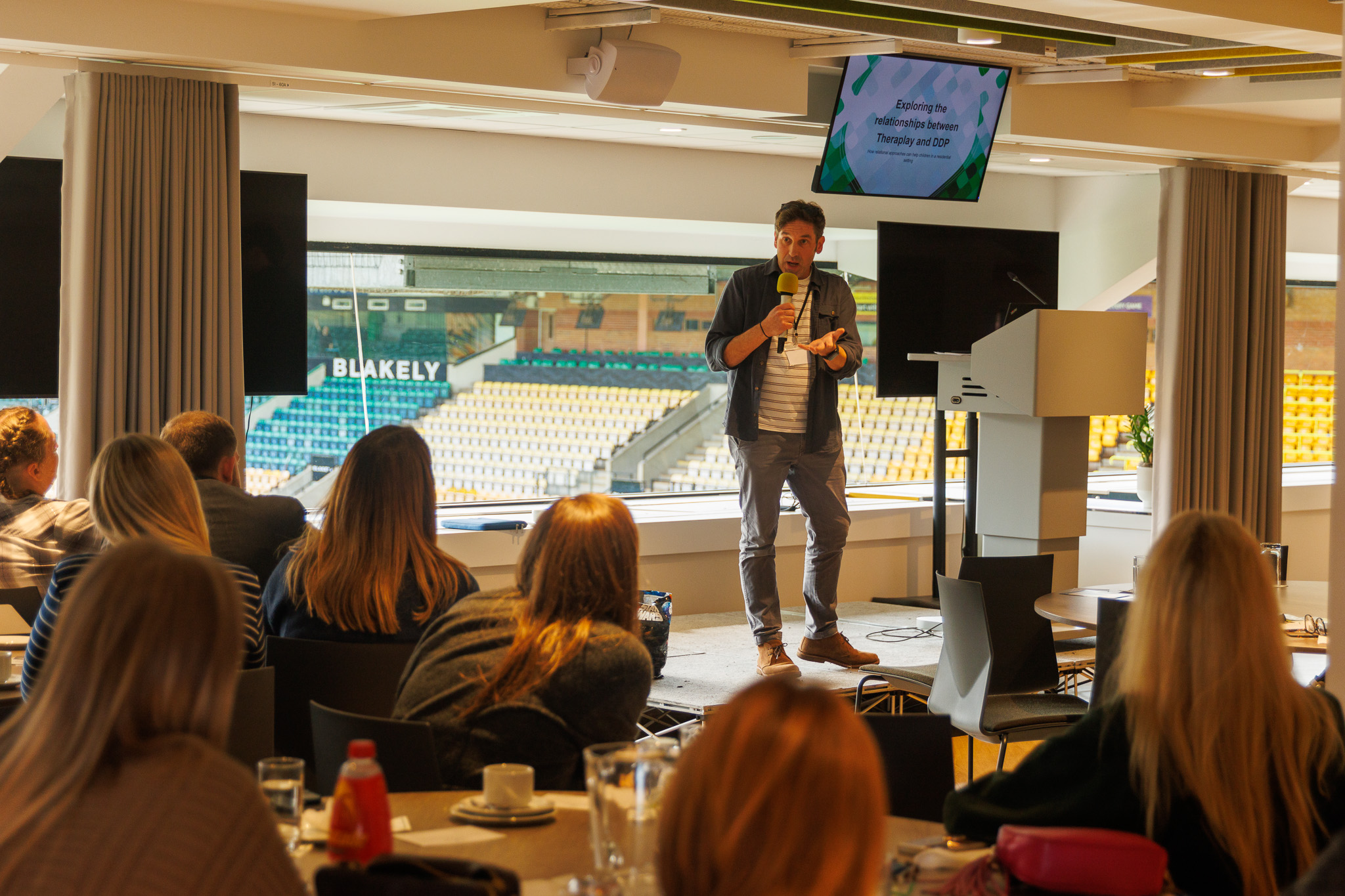
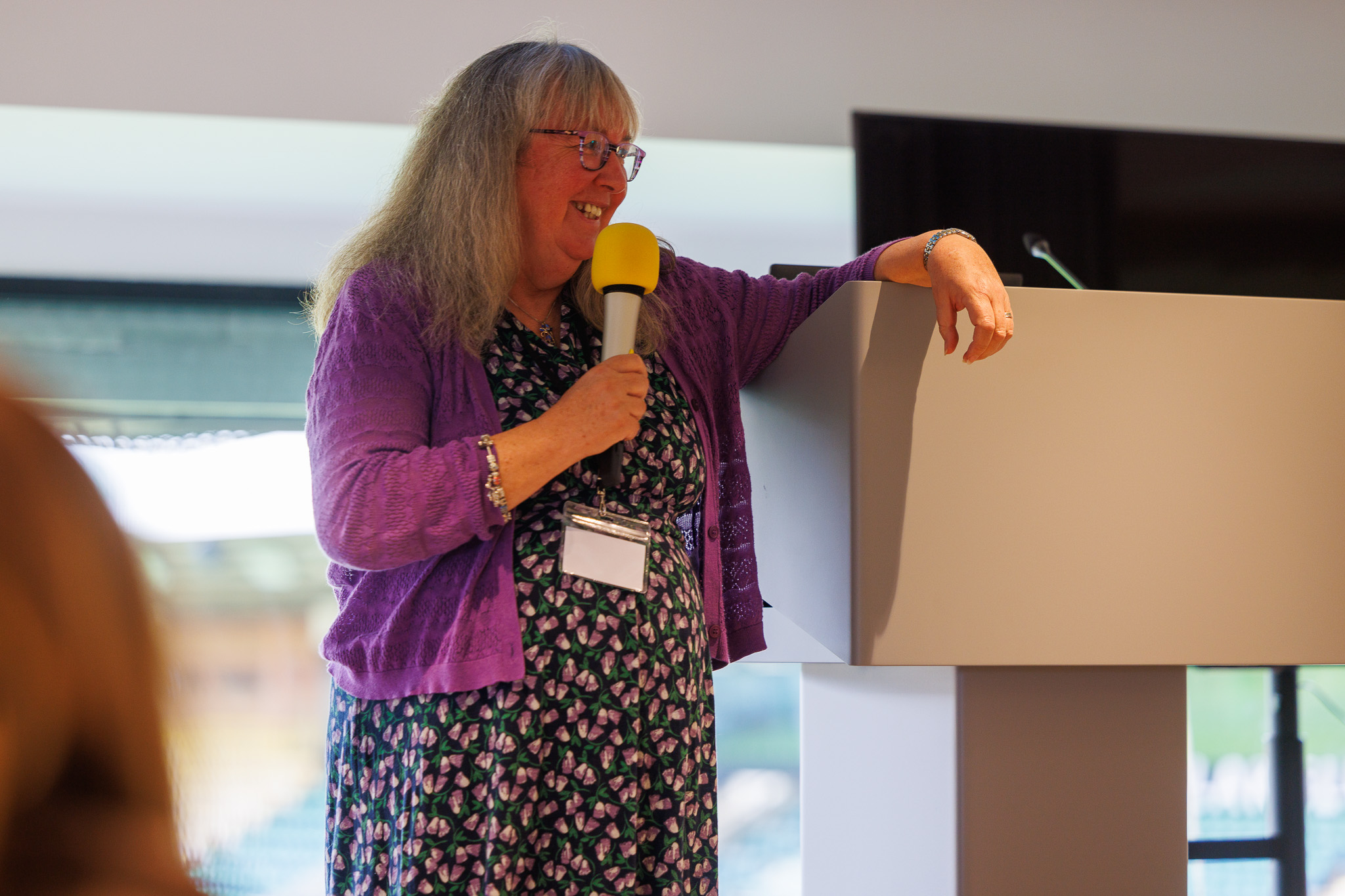
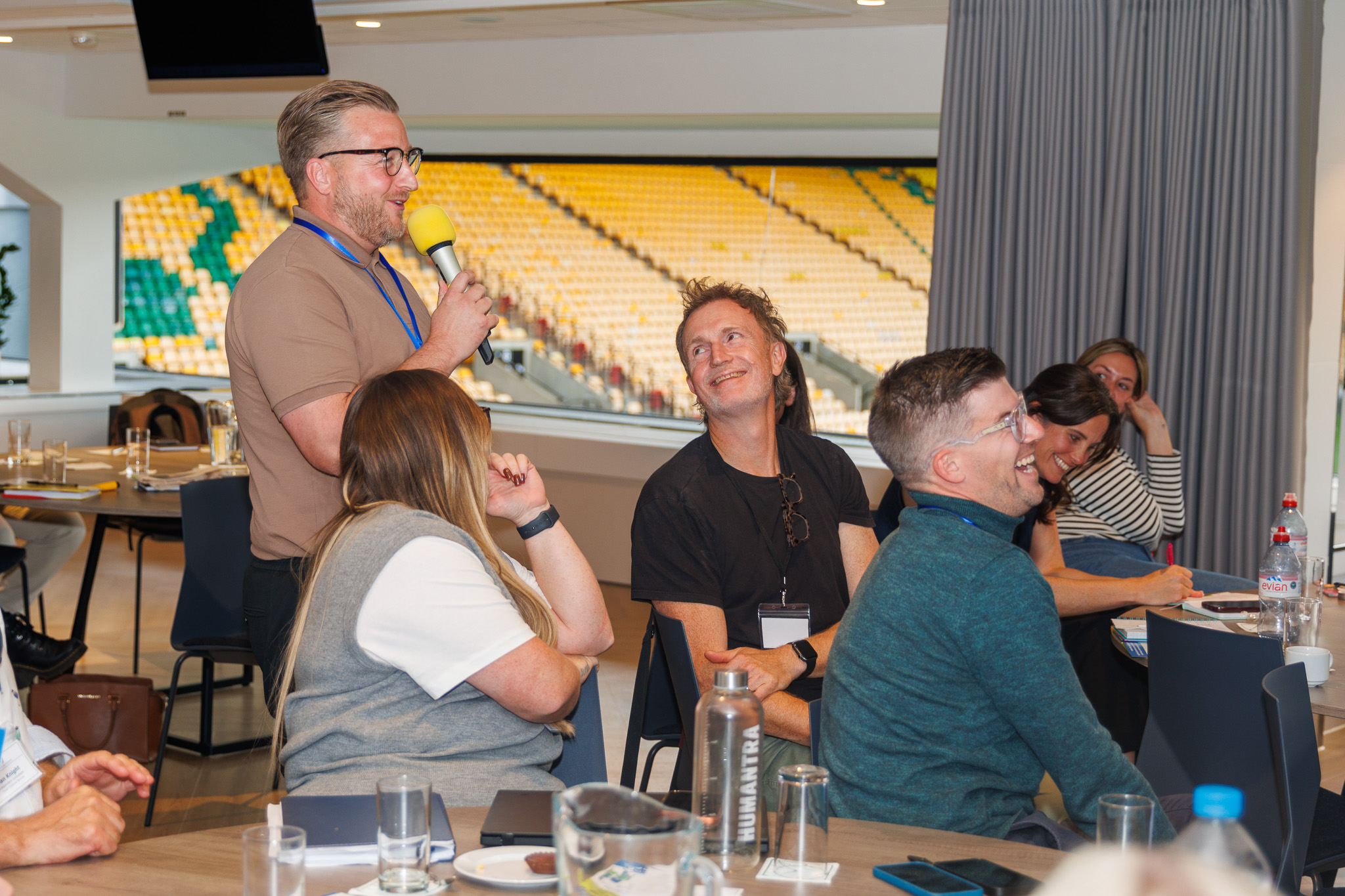
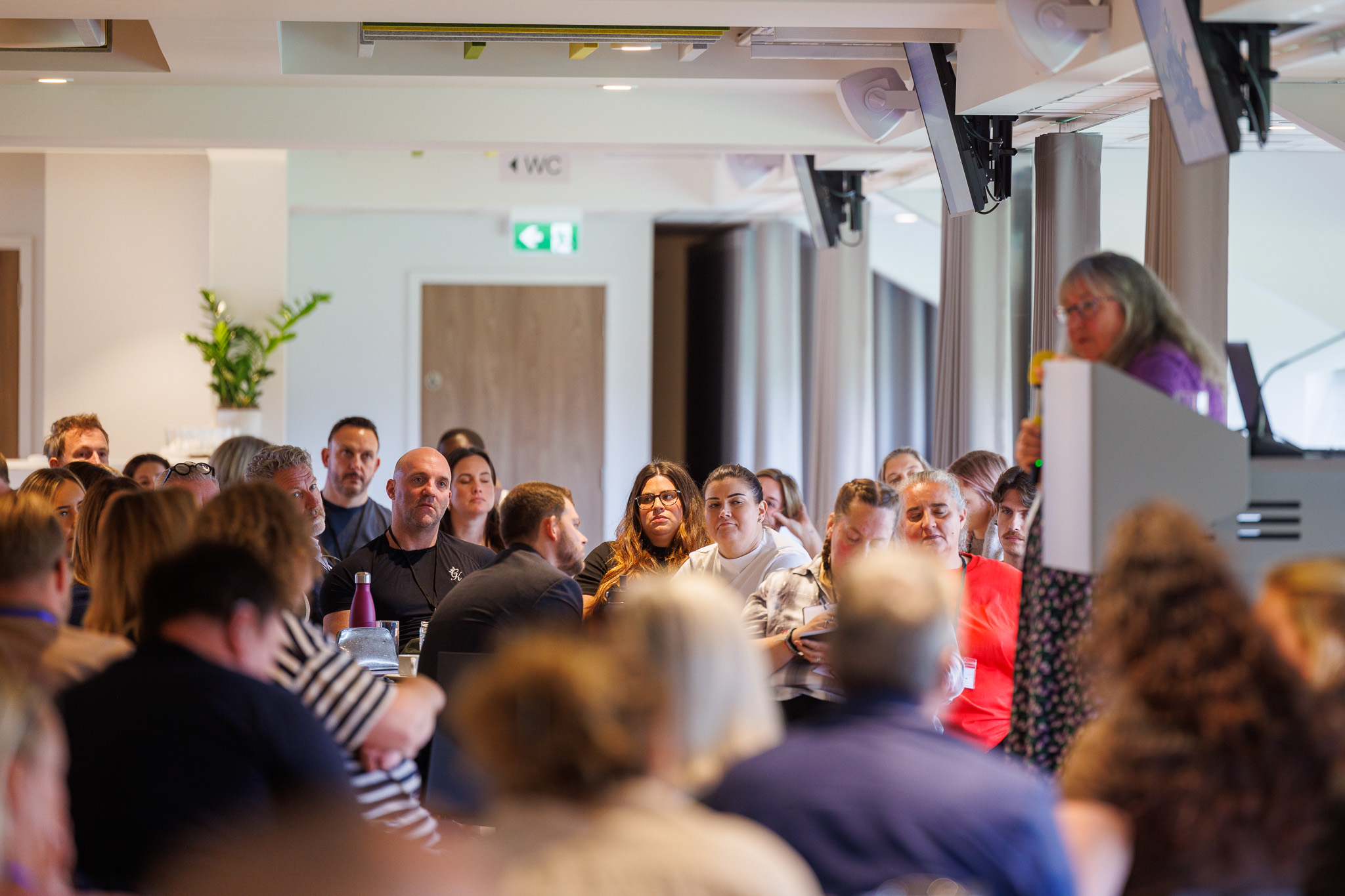
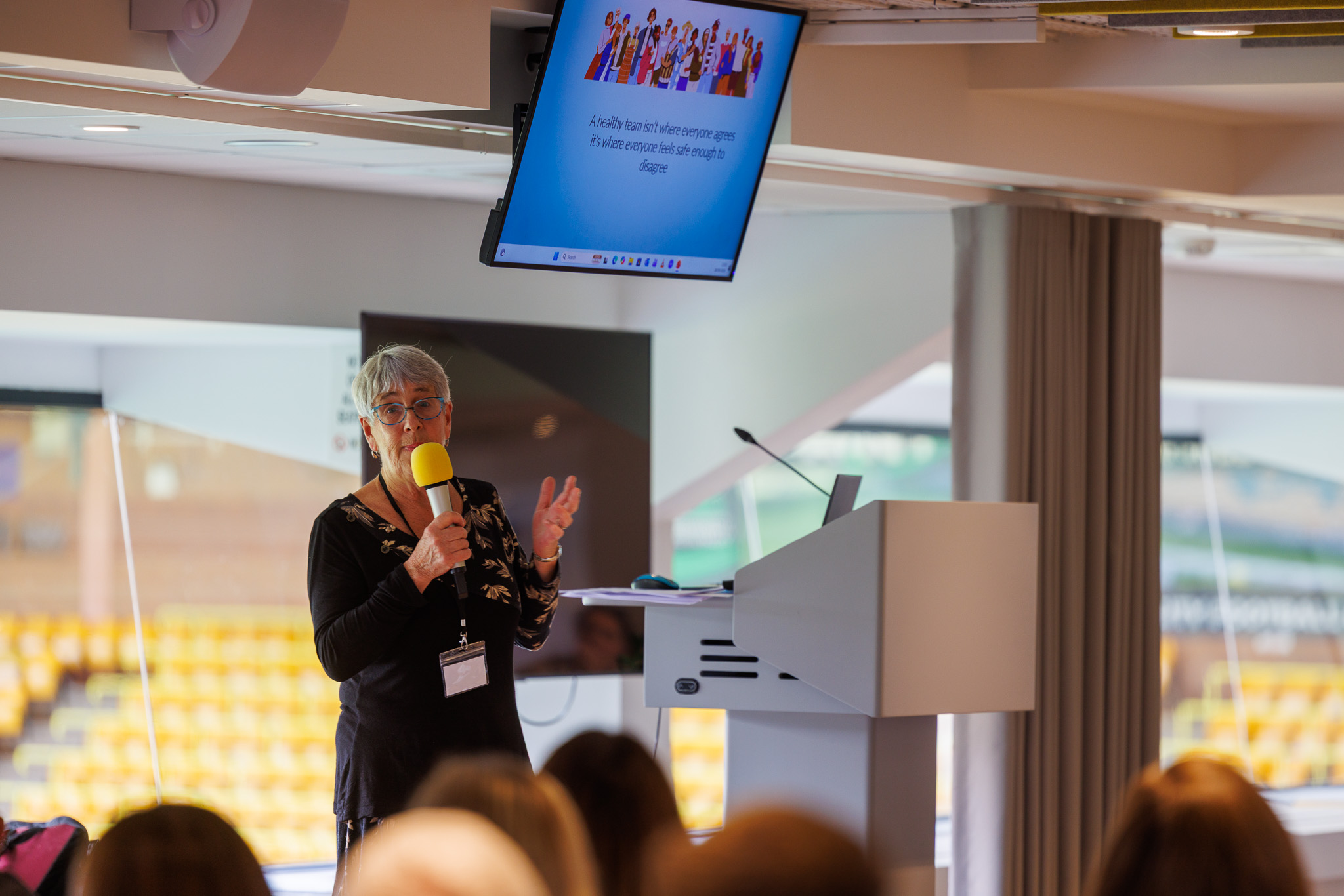
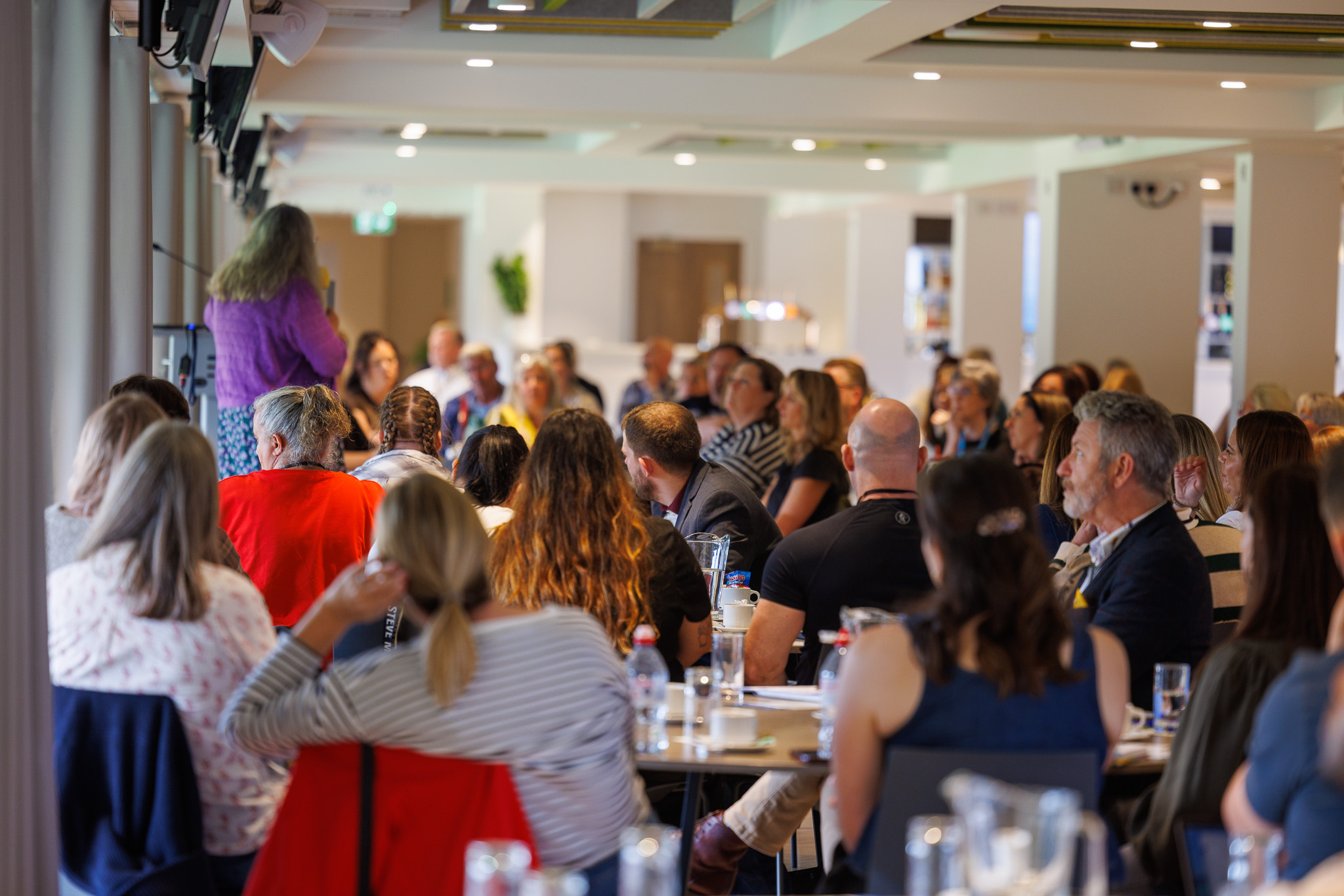
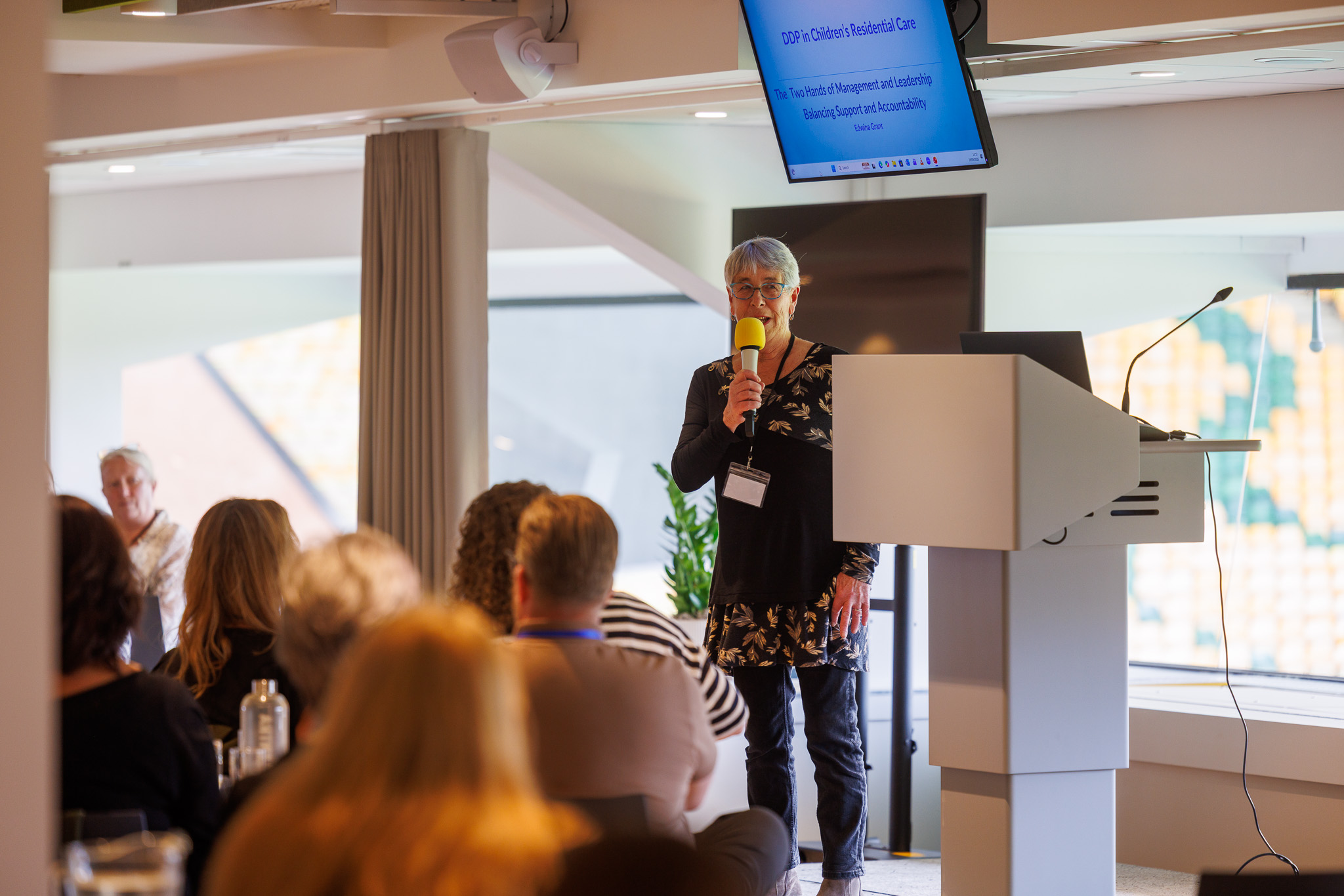
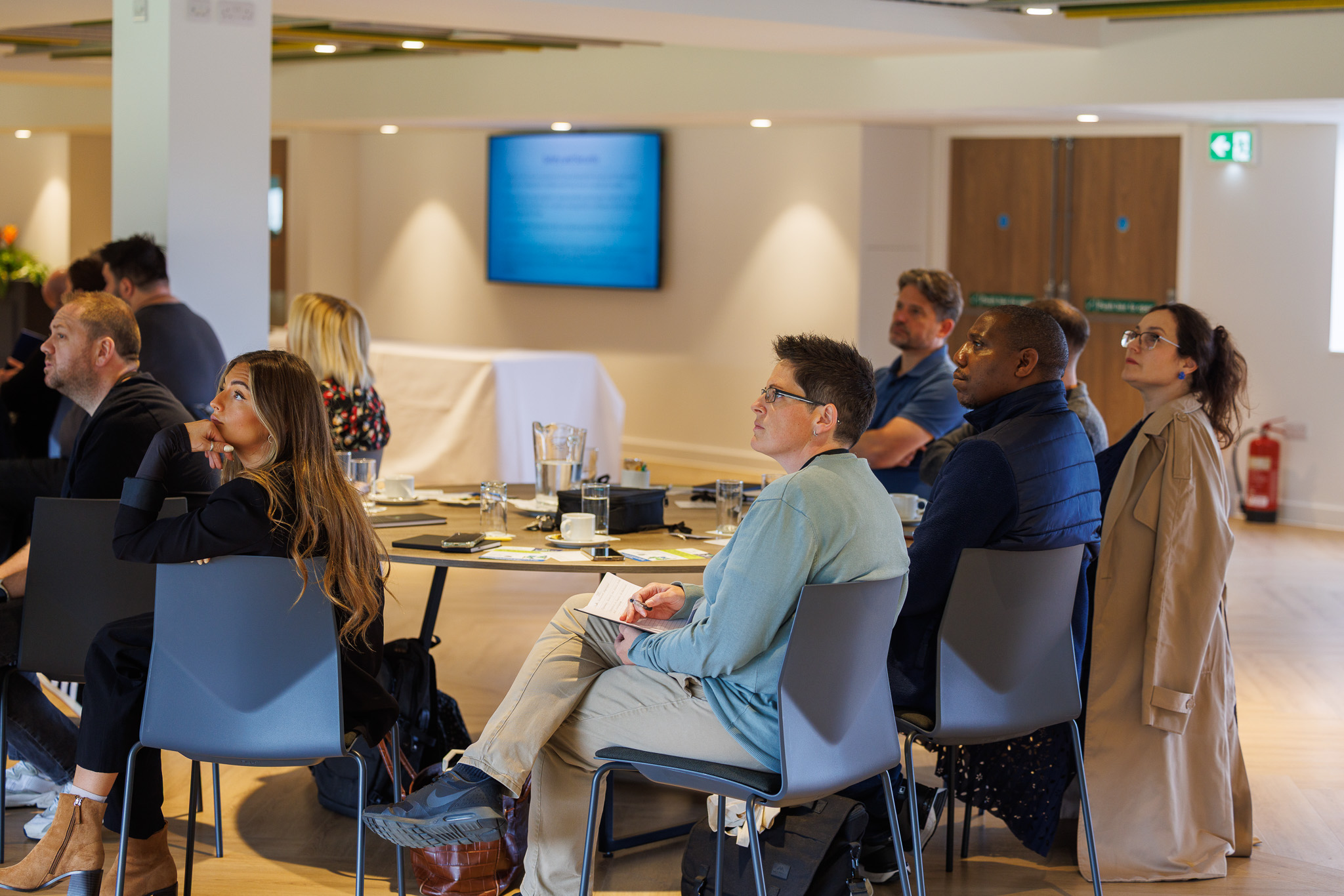
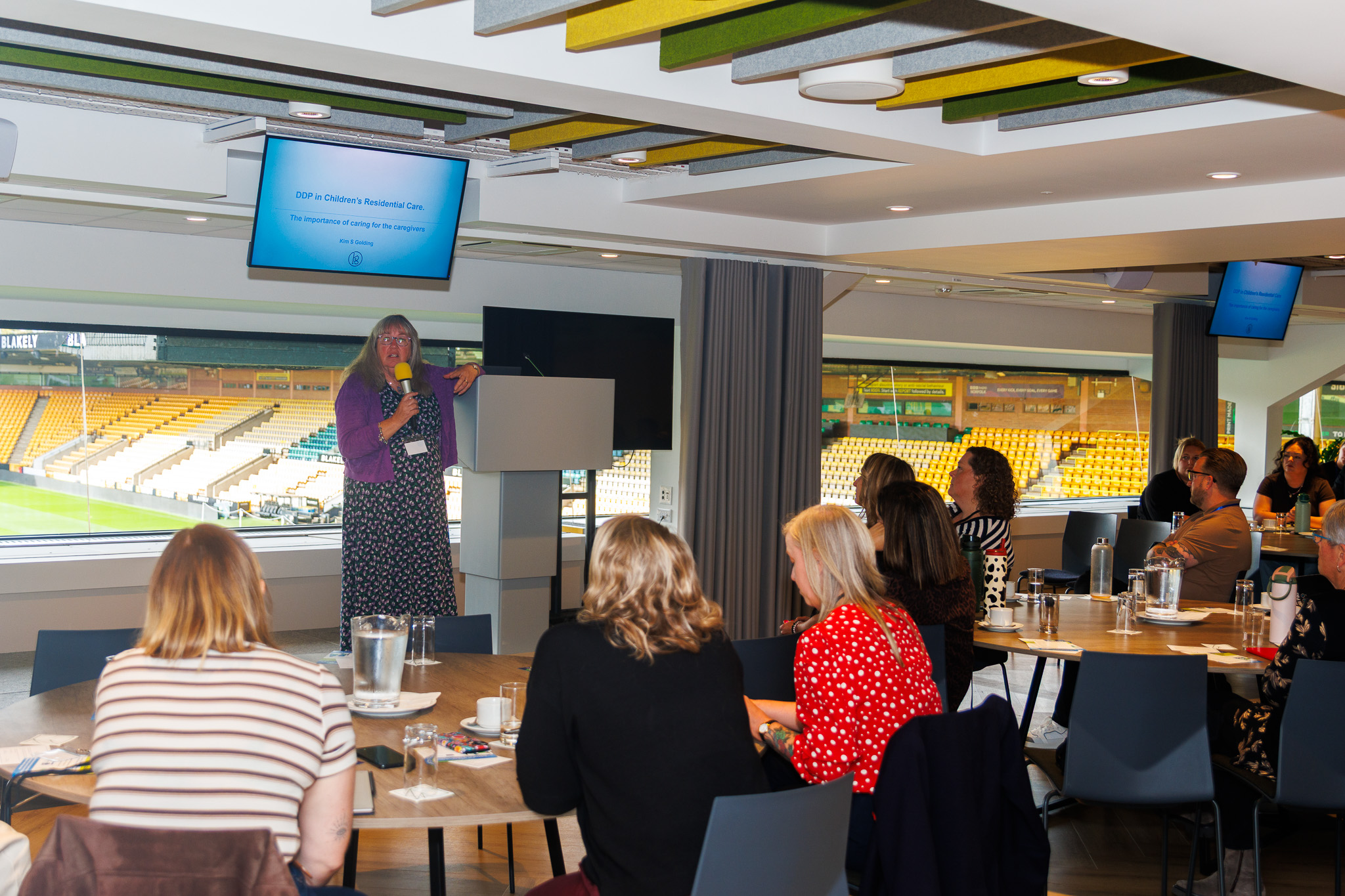
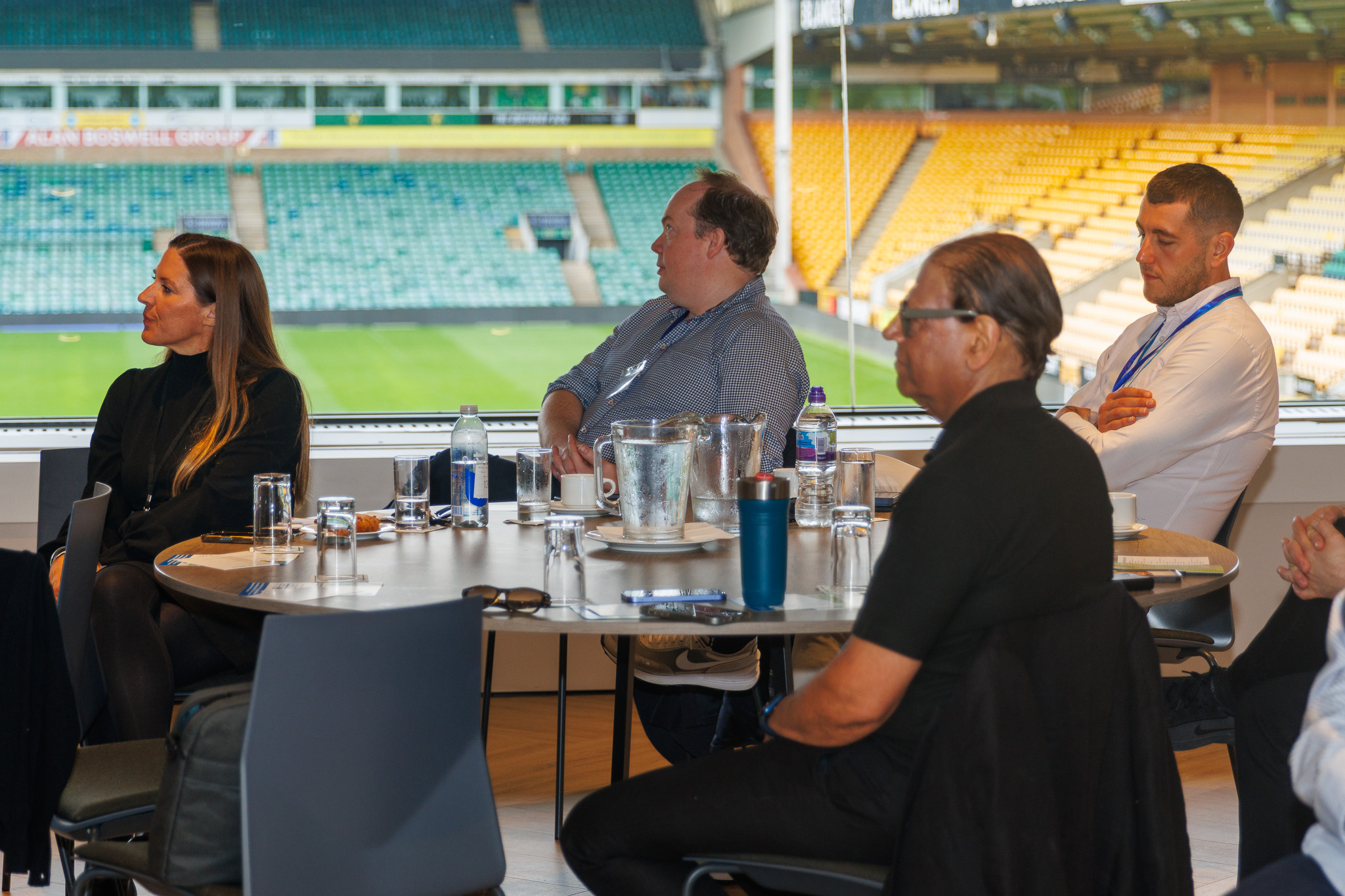
On Monday 28th September 2026, Clover Childcare Services hosted Bringing the DDP Model into Residential Care – UK Conference 2026, bringing together sector leaders, practitioners and care-experienced voices to explore how we can support residential childcare staff to strengthen wellbeing, resilience and therapeutic practice.

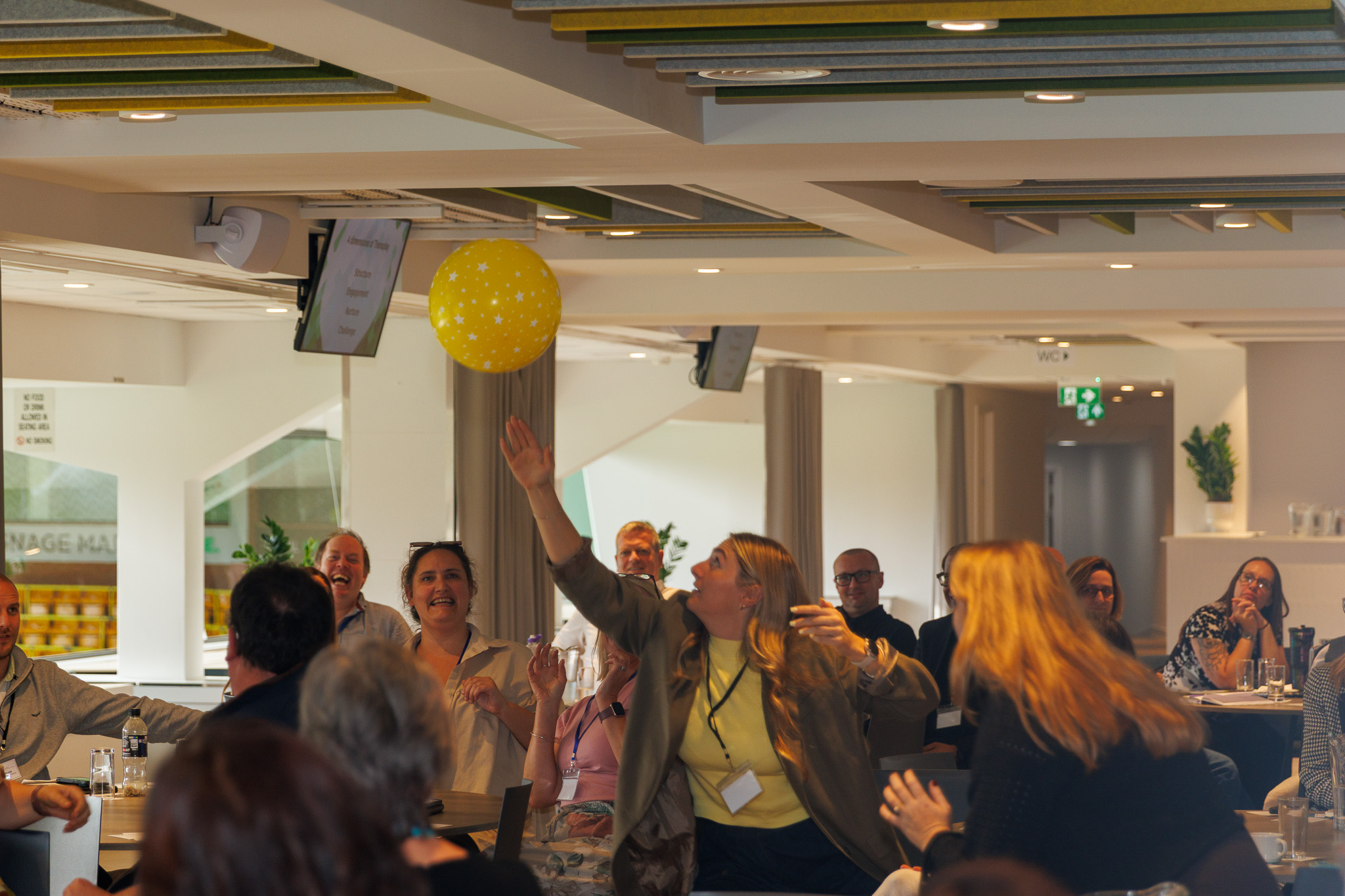
The day featured a programme of inspiring keynote talks and practical workshops exploring trauma-informed care, PACE-informed practice, Theraplay and reflective leadership in residential homes.

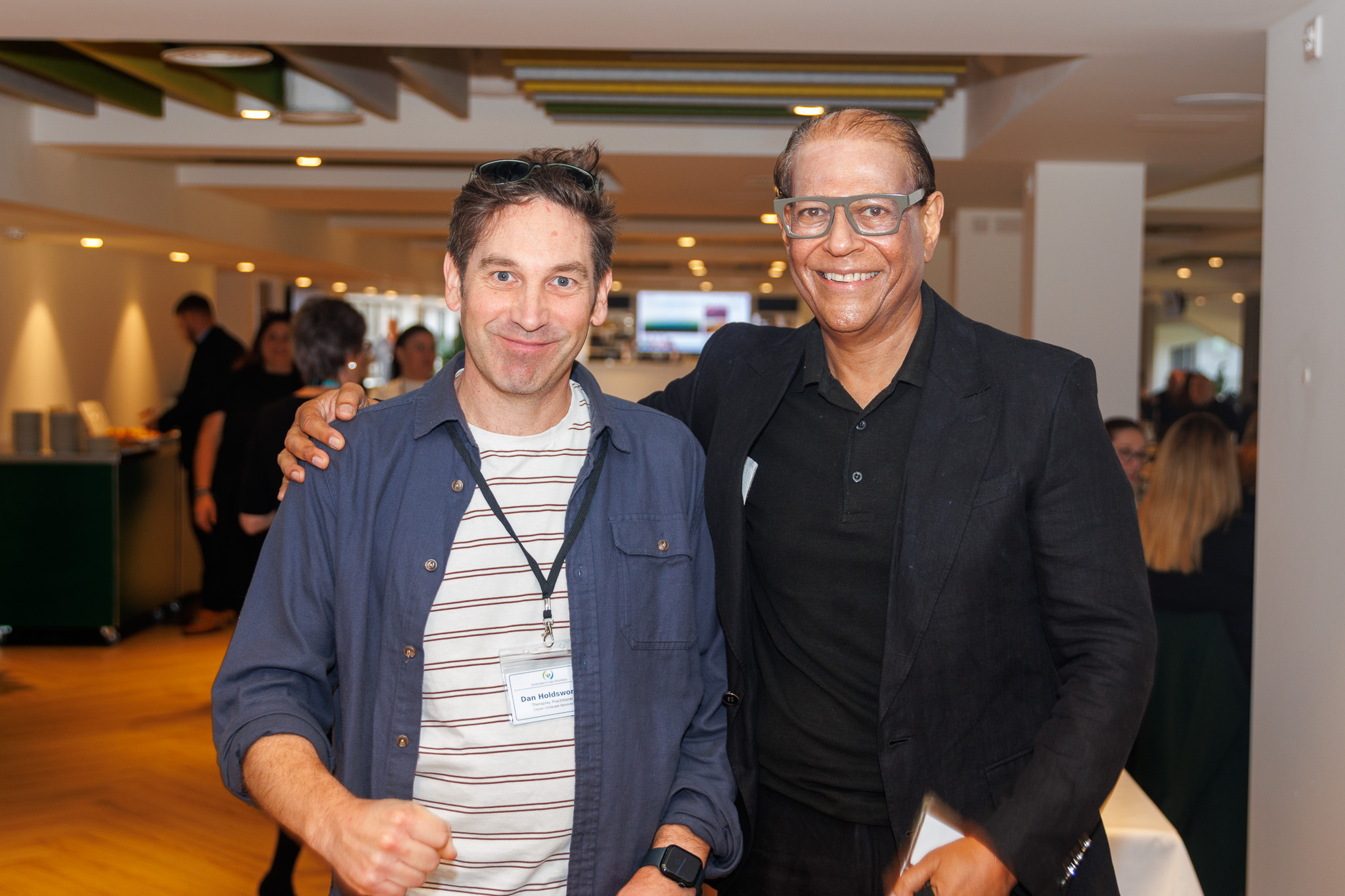
Clover Childcare Services is proud to be the UK’s first Dyadic Developmental Practice (DDP) Residential Certified Organisation, and we were delighted to welcome Kim Golding CBE, Edwina Grant, and Ben Gurney-Smith from the DDP Network as keynote speakers. Clover’s own Dan Holdsworth also led a session on Theraplay with interactive workshop activities. We were also privileged to hear from Mike Hurst of Lads Like Us, who shared his own experience as a survivor of childhood trauma.

At Clover Childcare Services, we have spent many years developing a therapeutic approach to residential care that is grounded in relationships, connection and an understanding of developmental trauma. We know that children who have experienced trauma, disrupted attachment, loss and instability do not simply need adults who can manage behaviour. They need adults who can remain emotionally available, curious, and connected when things become difficult. That belief has shaped our journey with DDP over many years.

What began as an interest in how the principles of DDP could support individual children gradually became something much bigger. We began to recognise that DDP was not simply something that happened within a therapy room. Its principles could influence how we spoke to children, how we responded to behaviour, how we supported one another as teams and, ultimately, how we understood our role as residential childcare professionals.

Over time, DDP and PACE became increasingly embedded across our organisation. Training, consultation, reflective practice and therapeutic support helped us move away from asking simply, “How do we stop this behaviour?”, towards questions such as, “What might this behaviour be communicating?”, “What has happened for this child?” and “What do they need from us in this moment?”

In 2022, Clover became the UK’s first DDP Residential Certified Organisation. It was an achievement we were extremely proud of, but certification was never intended to be the end of the journey. If anything, it strengthened our commitment to continuing to learn, reflect and develop.

One of the strongest lessons from our journey has been that therapeutic residential childcare cannot happen without emotionally supported adults. We ask a great deal of residential childcare staff. We ask them to remain calm when a child is dysregulated. To stay curious when they feel rejected. To offer empathy when behaviour feels personal. To provide consistency in the face of testing, anger and fear. We ask adults to repeatedly make themselves emotionally available to children whose previous experiences may have taught them that adults cannot be trusted. That work can be incredibly rewarding, but it can also be emotionally demanding.

PACE is sometimes spoken about as though it is simply a set of techniques that adults should use with children. Our experience has taught us that it is much more difficult to offer Playfulness, Acceptance, Curiosity and Empathy when we ourselves are stressed, frightened, overwhelmed, unsupported or exhausted.

If we want adults to provide therapeutic care, we also need to create environments that care for the adults themselves. That was one of the central reasons for this conference.

We hope the day provided an opportunity to learn from some exceptional people, but also an opportunity to stop, reflect and recognise the importance of the work being undertaken every day across residential childcare.

What is DDP?

Dyadic Developmental Psychotherapy and Practice (DDP) was developed by Dr Dan Hughes and is an attachment-focused and trauma-informed approach for supporting children and young people who have experienced developmental trauma within their important relationships.

At its heart is an understanding that many children who have experienced abuse, neglect, loss or disruption have learned ways of surviving that made sense within their earlier experiences.
Control, rejection, anger, avoidance, dishonesty, withdrawal and many of the behaviours adults can find challenging may have developed as ways of staying emotionally or physically safe.

DDP invites us to look beneath behaviour.

Rather than beginning with “What is wrong with this child?”, we become interested in “What has happened to this child, what might they be protecting themselves from, and how can our relationship help them begin to feel safer?”

Relationship is central.

Through emotionally attuned relationships, children can gradually experience adults as safe, predictable and trustworthy. Over time, they can begin to develop new understandings of themselves and others.

PACE

One of the best-known elements of DDP is the attitude of PACE:

  • Playfulness – bringing appropriate lightness, warmth and enjoyment into relationships.
  • Acceptance – communicating that the child’s inner experience, thoughts and feelings can be understood and accepted, even when particular behaviours cannot.
  • Curiosity – wondering alongside the child about what might be happening for them, rather than assuming that we already know.
  • Empathy – communicating that we recognise and care about the child’s emotional experience.

PACE is not a script. It is not about finding the perfect sentence or responding correctly every time. It is an attitude that communicates:

“I am interested in you. I am trying to understand you. Your feelings make sense to me. Our relationship can survive difficult moments, and I am still here.”

For children whose early relationships have often communicated something very different, this can be profoundly important.

Thank you to everyone who joined us at the conference to listen, share ideas, ask questions and take these conversations back into their own organisations and teams.

If you would like to learn more about our therapeutic approach or our work with DDP, please contact Mark Marshall, our Head of Therapy, DDP Practitioner and PACE Trainer.

SBCH Leaders Forum

Colleagues at the SBCH Leaders Forum

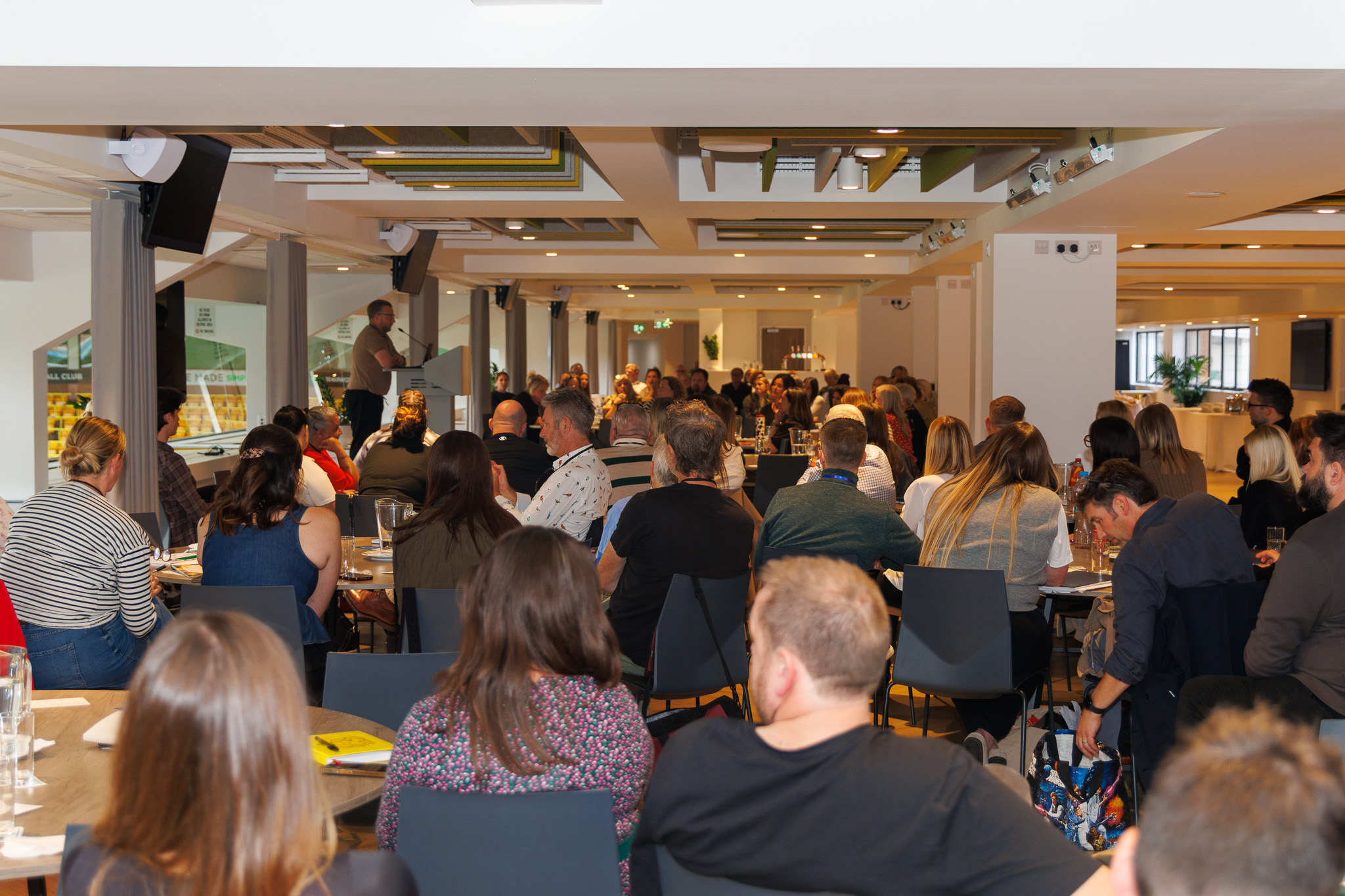
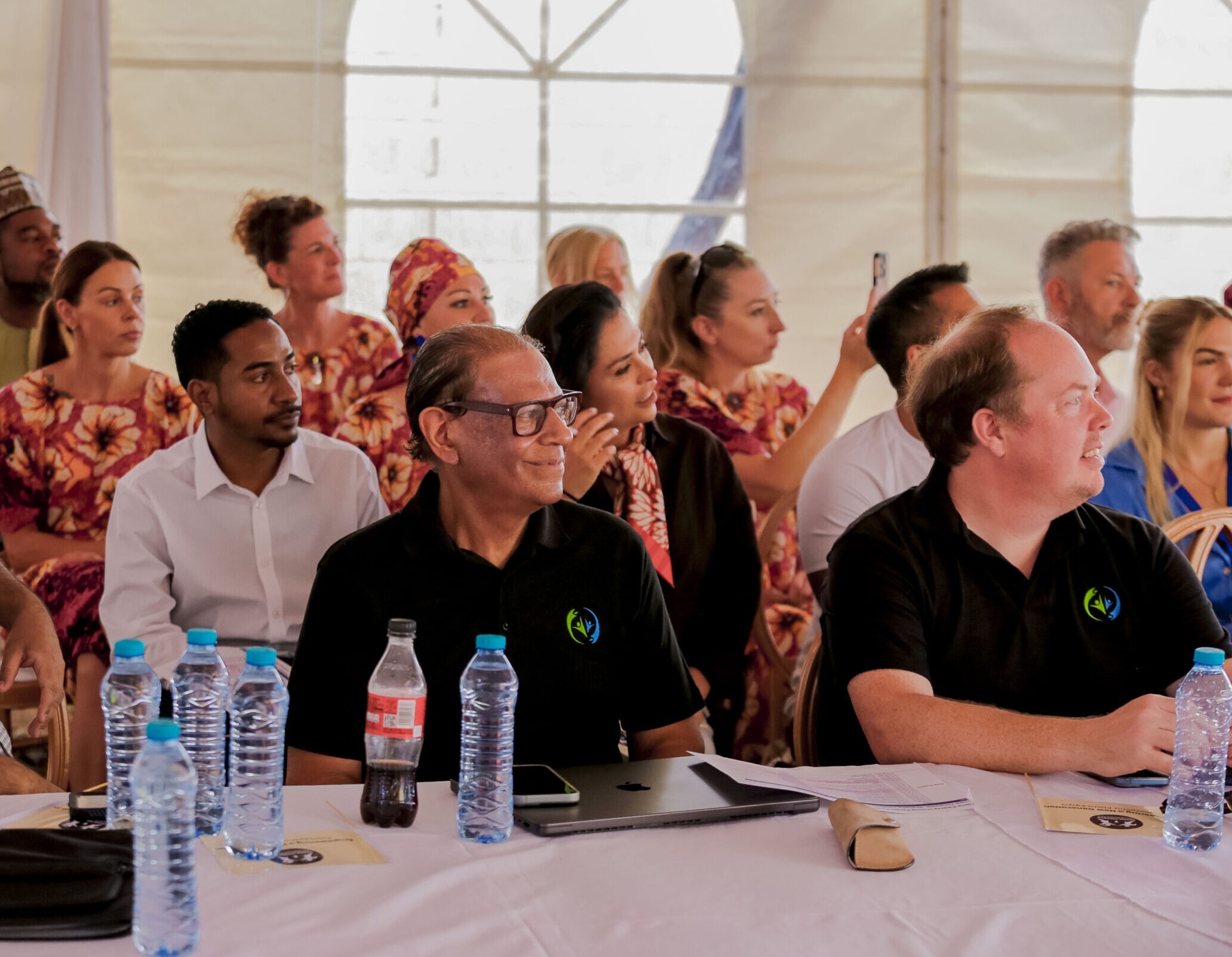
16th July 2026 marked a significant milestone as we hosted our very first Leaders Forum, bringing together over 70 colleagues from across the organisation for a day of reflection, learning, and open discussion.

Silver Birch Care Holdings colleagues at the Leaders Forum

The day provided an opportunity to celebrate the progress we have made together over the past year. Our senior leadership team shared highlights from across SBCH, including key achievements, success stories, new partnerships, charitable initiatives, and the positive progress being made across our services.

However, the most powerful reminder of why we do what we do came from hearing first-hand about the difference our colleagues make to the lives of young people. We were privileged to hear from R who previously lived in one of our homes, as she reflected on her journey before, during, and after her time with us. R spoke openly about the significant challenges she had faced before coming into our care, including experiencing abuse and struggling with self-harm.

She shared how, through the support of our team, she was able to stop self-harming and begin rebuilding her confidence. She paid particular tribute to Home Manager Mark, who helped overcome her fear and mistrust of men. She now feels able to trust others and is optimistic about building a happy future of her own, including one day having a family. Although R has since moved on, the relationships she built with our team have continued, and they still check in on her wellbeing.

SBCH senior management team at the Leaders Forum

We were also delighted to welcome Chris Wild, Director of Foster Greatness UK, who shared his lived experience of growing up in care. Chris spoke about his work to build a national platform that improves long-term outcomes for care-experienced people, as well as his campaign to have care experience recognised as a protected characteristic under the Equality Act 2010.
We were also joined by an Ofsted Regulatory Inspection Manager, who took part in an open Q&A session exploring the qualities, leadership, and child-centred approaches that help create outstanding homes and, most importantly, achieve the best possible outcomes for children.

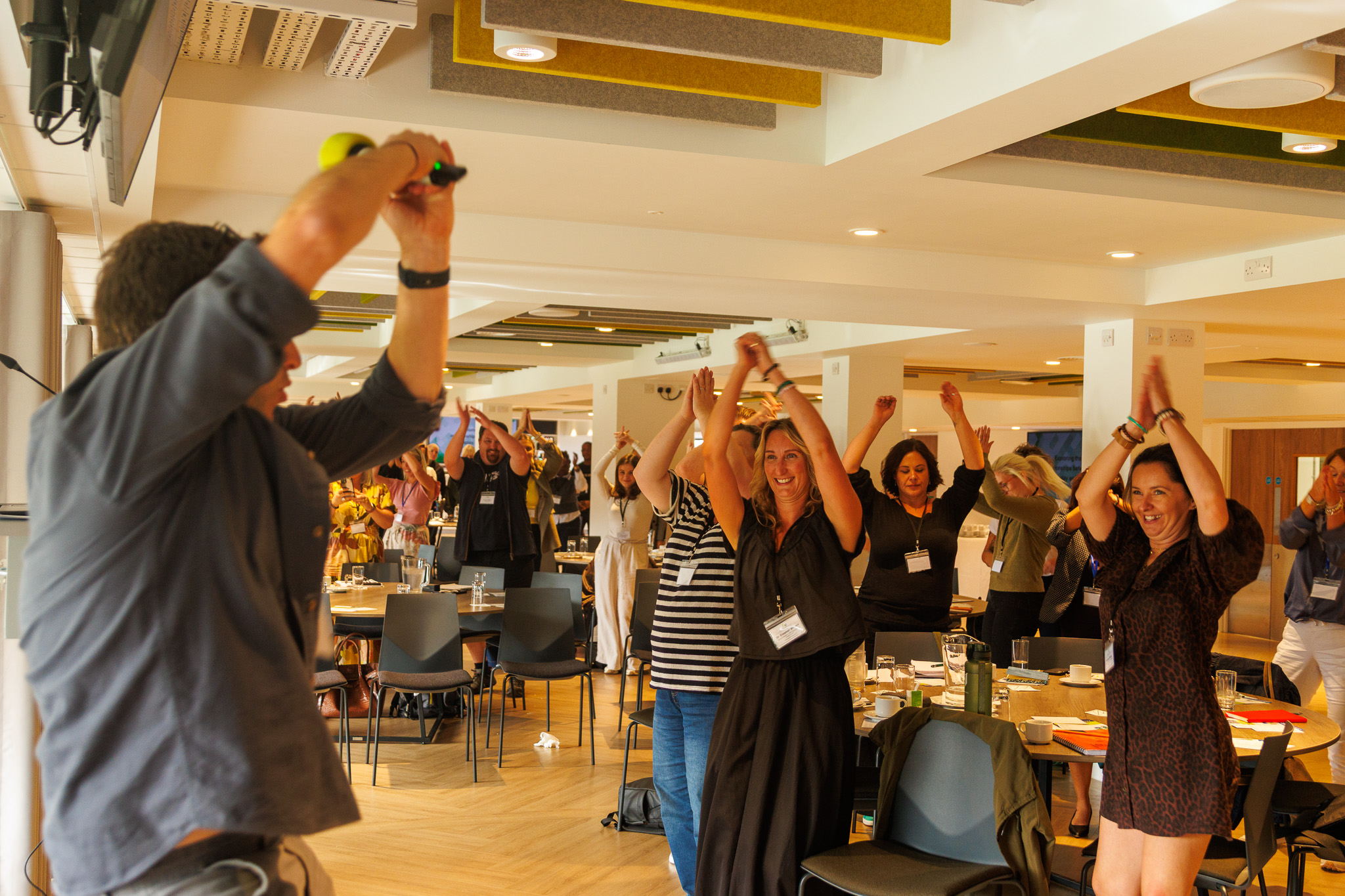
The day concluded with interactive breakout workshops, where our team explored ways to strengthen communication, recognition, wellbeing, career development, and progression across the organisation.

Overall, the inaugural Leaders Forum was a huge success, and marks the beginning of what will become an annual tradition providing the opportunity for our team members to come together under one roof to learn, listen, share ideas, and reflect on the values that define SBCH. Above all, it was a reminder of our commitment to Kaizen – and of why the work we do matters so much to the children and young people we support.

CareStart SBCH Fellowship

CareStart SBCH Fellowship launch event at the Royal Society of Arts

Silver Birch Care Holdings has developed a new leadership development programme designed to develop exceptional Registered Managers in children’s residential care.

Audience at the CareStart SBCH Fellowship launch event

Our first cohort of Fellows was nominated in recognition of their commitment, potential and ambition to grow as future leaders across our children’s homes.

Karim presenting at the CareStart SBCH Fellowship launch

They were invited to attend the launch event at the Royal Society of Arts in London, where they had the opportunity to come together and learn from senior leaders, including Sam Gardner, who spoke about his years in foster care and the difference that dedicated leaders can make in the lives of children and young people.

Over the coming year, the Fellows will take part in structured learning, executive coaching and mentoring, equipping them with the knowledge, skills and experience to help shape the future of leadership in the sector and raise standards across our services.

Presentation and audience at the CareStart SBCH Fellowship launch

At Silver Birch Care Holdings, we are committed to promoting Kaizen, and this programme reflects both that philosophy and our dedication to developing talent from within.

Presentation and audience at the CareStart SBCH Fellowship launch

The enthusiasm and ambition shown by the Fellows have been truly inspiring, and we look forward to following their progress over the next 12 months.

Sam Gardner presenting at the CareStart SBCH Fellowship launch

Clover Childcare Services Acquisition

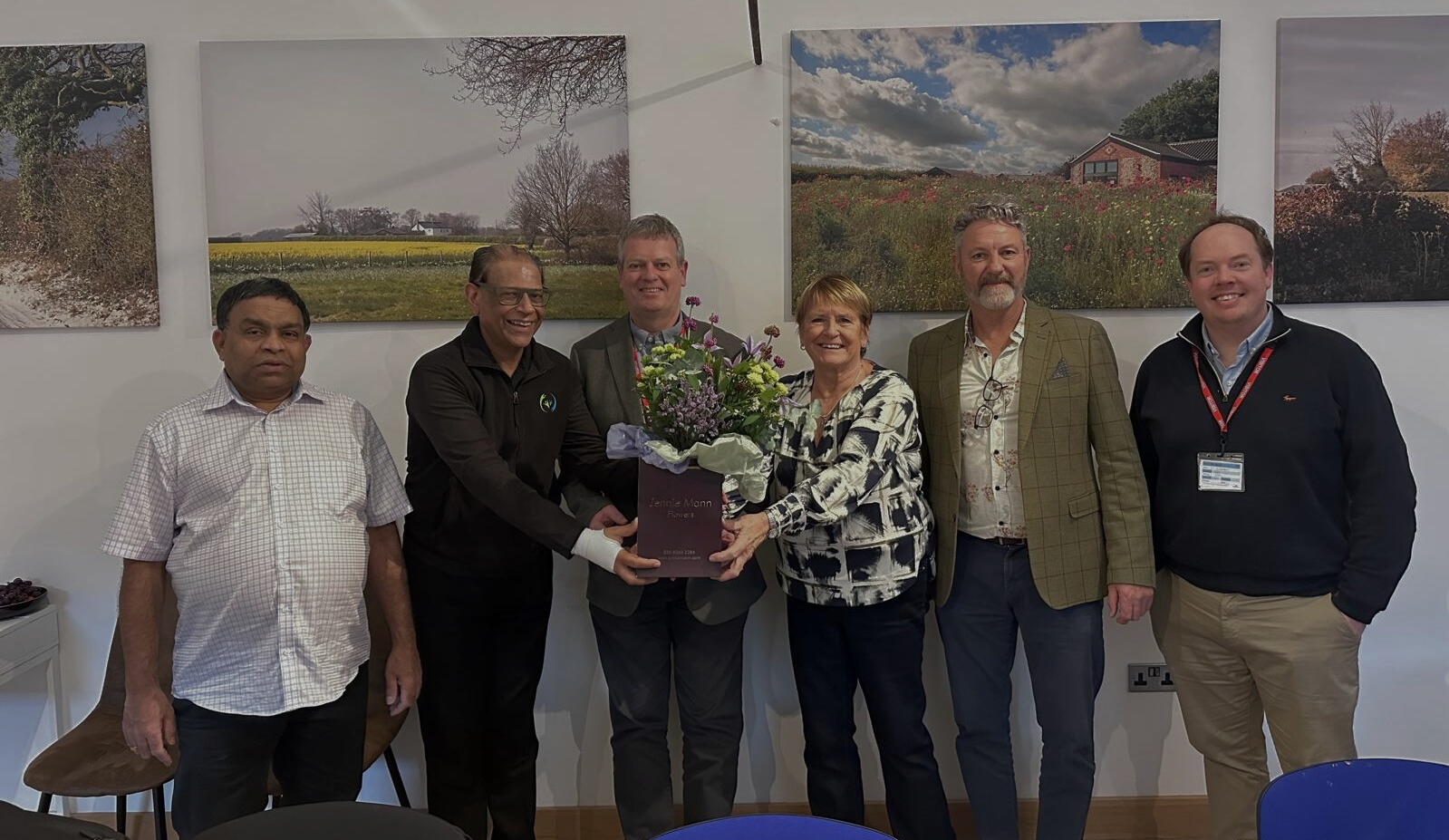
Silver Birch Care (Holdings) and Clover Childcare Services teams marking the acquisition

Silver Birch Care (Holdings) Limited has expanded its specialist therapeutic care portfolio with the acquisition of Clover Childcare Services Limited, one of Norfolk’s leading providers of therapeutic residential care and education

On Friday 28th November 2025, Silver Birch Care (Holdings) Limited (SBCHL) acquired leading Norfolk-based care provider Clover Childcare Services Limited (CCSL).

CCSL was founded in 2007 by Kath Laidlaw and Dan Knight, and specialises in therapeutic re-parenting, assessment and therapy for children who have experienced adverse childhood experiences, including trauma, loss, neglect, and abuse. They currently operate four homes with a total of 16 beds, as well as their own 22-place school, all based in Norfolk.

Their aim is to create a safe, nurturing environment where children can begin to heal, rebuild trust, and develop emotional resilience through consistent, relationship-focused care.

CCSL has been one of only two Dyadic Developmental Practice (DDP) Certified Organisations in the UK since 2023, reflecting its commitment to trauma-informed, attachment-focused care across all areas of its work. At the heart of its approach are also the principles of the PACE attitude, with these values helping guide every interaction and support children to feel seen, heard, and understood.

With over 50 years of combined experience across both local authority and independent sectors, Kath and Dan have built a service that is both comprehensive and deeply rooted in therapeutic practice, offering lasting support to children and their families.

SBCHL is proud to welcome CCSL as its sixth specialist branch within the group, which now possesses over 20 years of combined experience across its provisions. CCSL will retain its identity, its approach and the culture that makes it such a special place for the children and young people it supports.

SBCHL CEO Karim Lalani commented: “We feel privileged to have been entrusted with taking on the next chapter of CCSL, and are excited to welcome them with open arms as part of our family. We are committed to protecting everything that makes CCSL special, while working together to ensure we can thrive together into the future.”

SBCHL is also very pleased that former Director Dan Knight will remain in post to ensure continuity and support throughout this transition. He added: “SBCHL is a values-driven organisation with a strong record of supporting therapeutic, child-centred services. They share Clover’s ethos, our focus on relationships, and our commitment to restoring and enriching children’s lives. By joining a wider family that understands and respects our approach, Clover will be strengthened, not changed, and will benefit from the additional resources, expertise and strategic support that SBCHL can offer.” Whilst former Director Kath Laidlaw will be stepping down into retirement, we are pleased that she will remain in touch and continue to be part of the CCSL community.

This acquisition marks an important step in SBCHL’s commitment to expanding high-quality therapeutic care across the UK.

SBCHL would like to extend a special thank you to everyone who helped make this acquisition possible, including the Anthony Collins team led by Abbey and Laura; long-standing trusted accountants and advisers from TC Group, Sadik and Fidahussein; adviser Paul; Dan, Kath and their team at CCSL; and the fantastic team at SBCHL led by Karim, Phil, Alison and Tim.

Kijana Kwanza

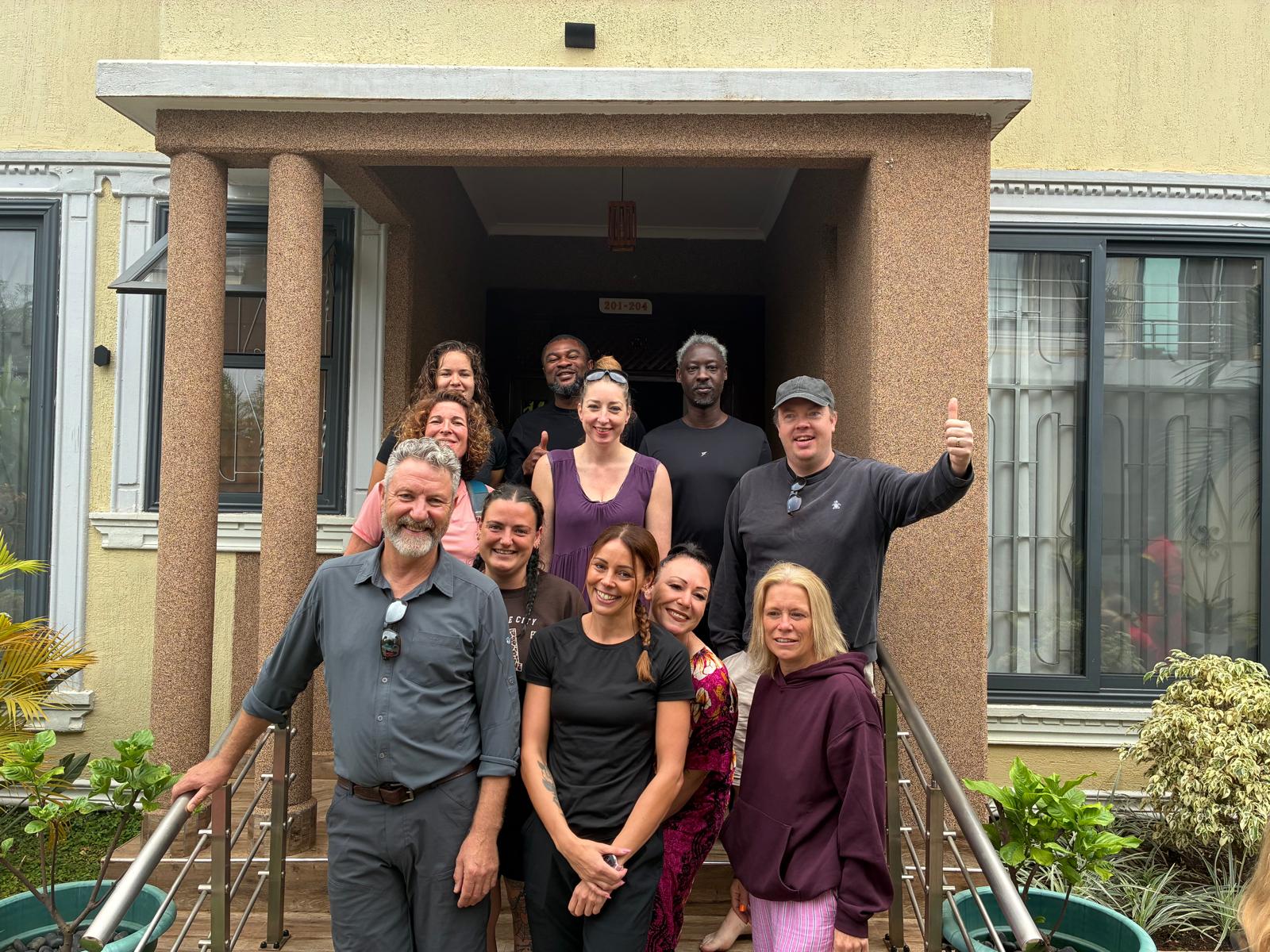
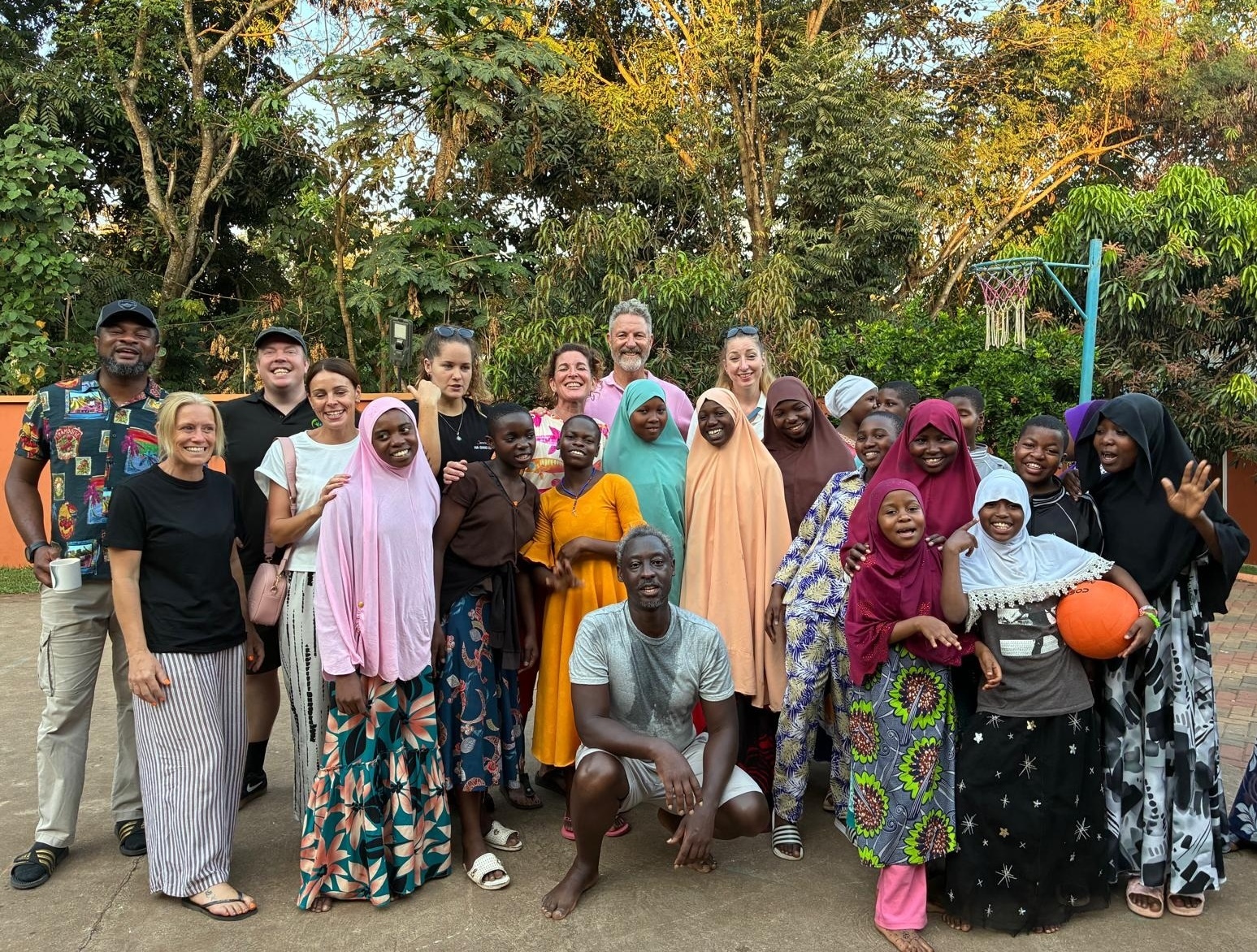
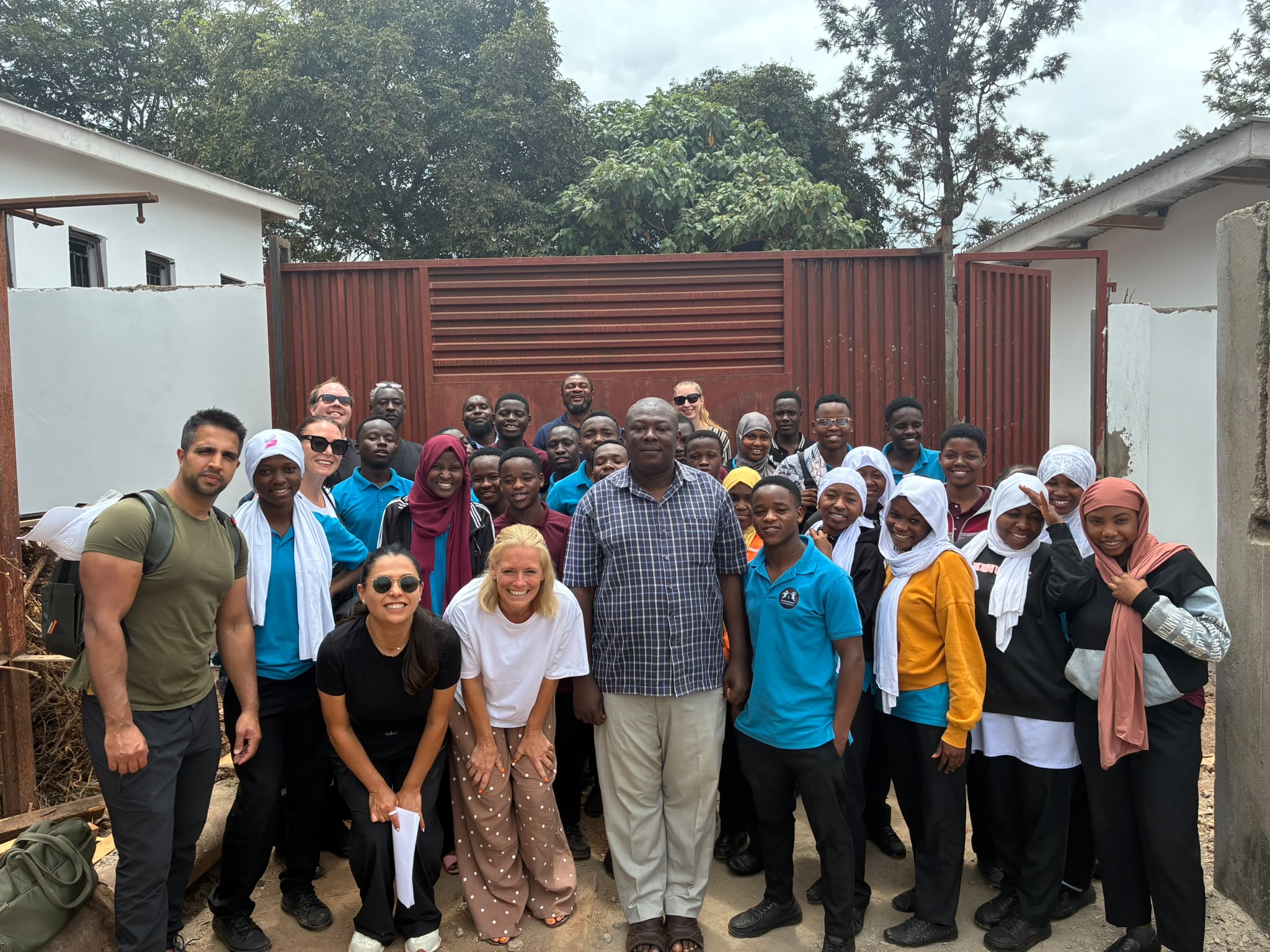
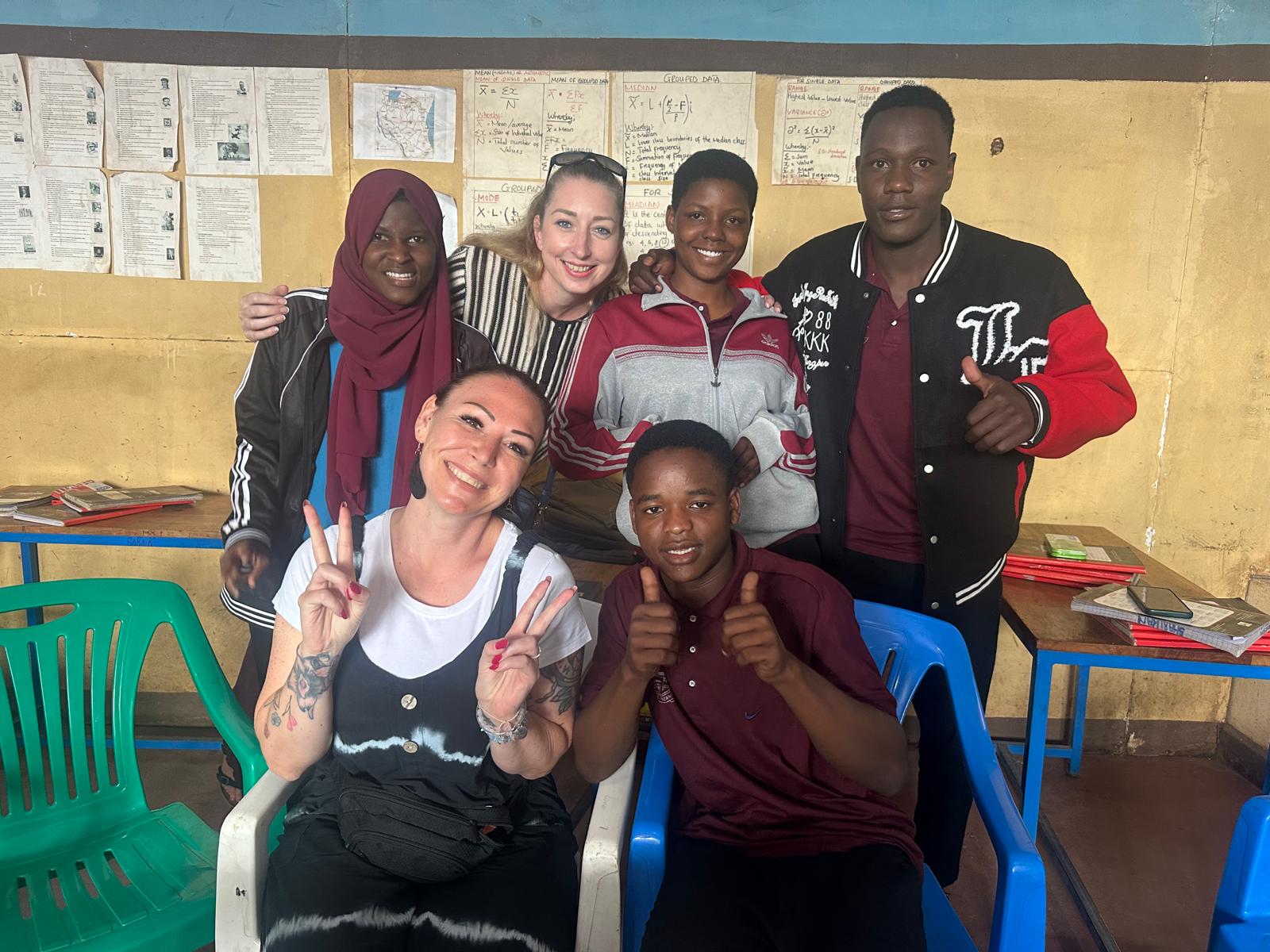
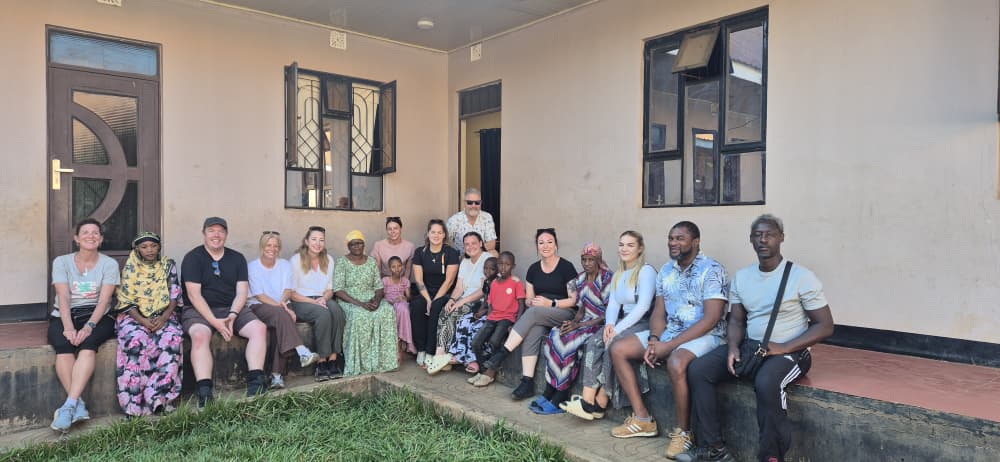
Kijana Kwanza team and children in Moshi, Tanzania

We are proud to support Kijana Kwanza, a non-profit charity based in Moshi, Tanzania.

Kijana Kwanza works with orphaned children and vulnerable young people to improve their access to education, vocational training and life skills development, helping them to build futures free from poverty. Nestled at the foot of Mount Kilimanjaro, Kijana Kwanza’s mission closely aligns with our own values: empowering young people through education, skills and opportunity.

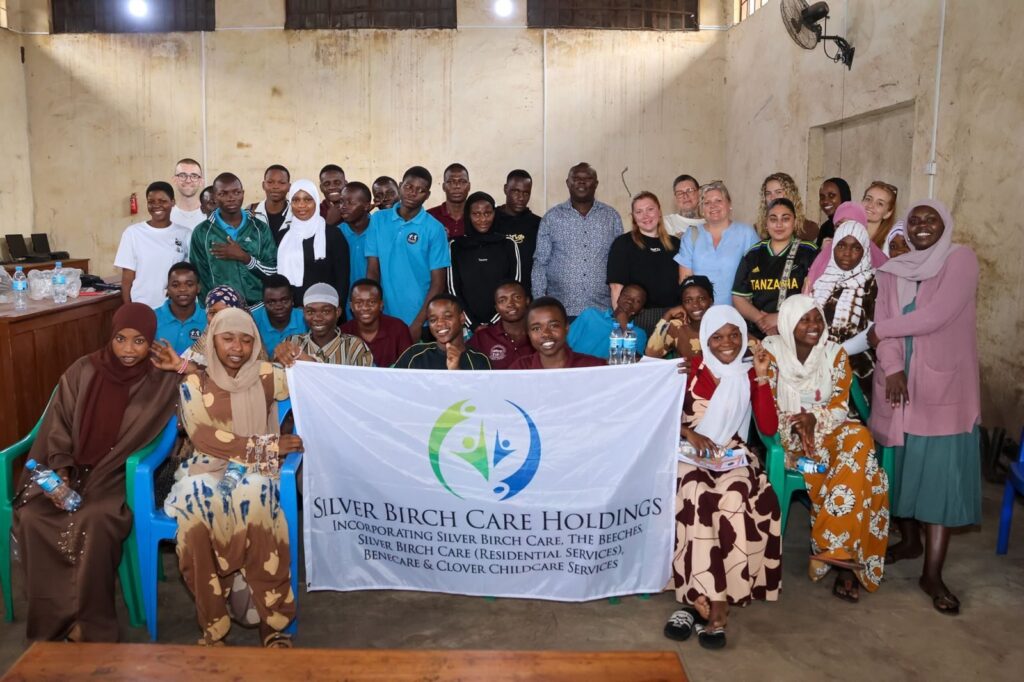
Our partnership began in 2024, when our CEO, Karim, travelled to his birth country, Tanzania. During his visit, he met members of the Kijana Kwanza team and children supported by the organisation, and was inspired by their passion and determination to create brighter futures for themselves and their communities. He also led a seminar for vocational students, exploring the economic and social challenges facing young Tanzanians.

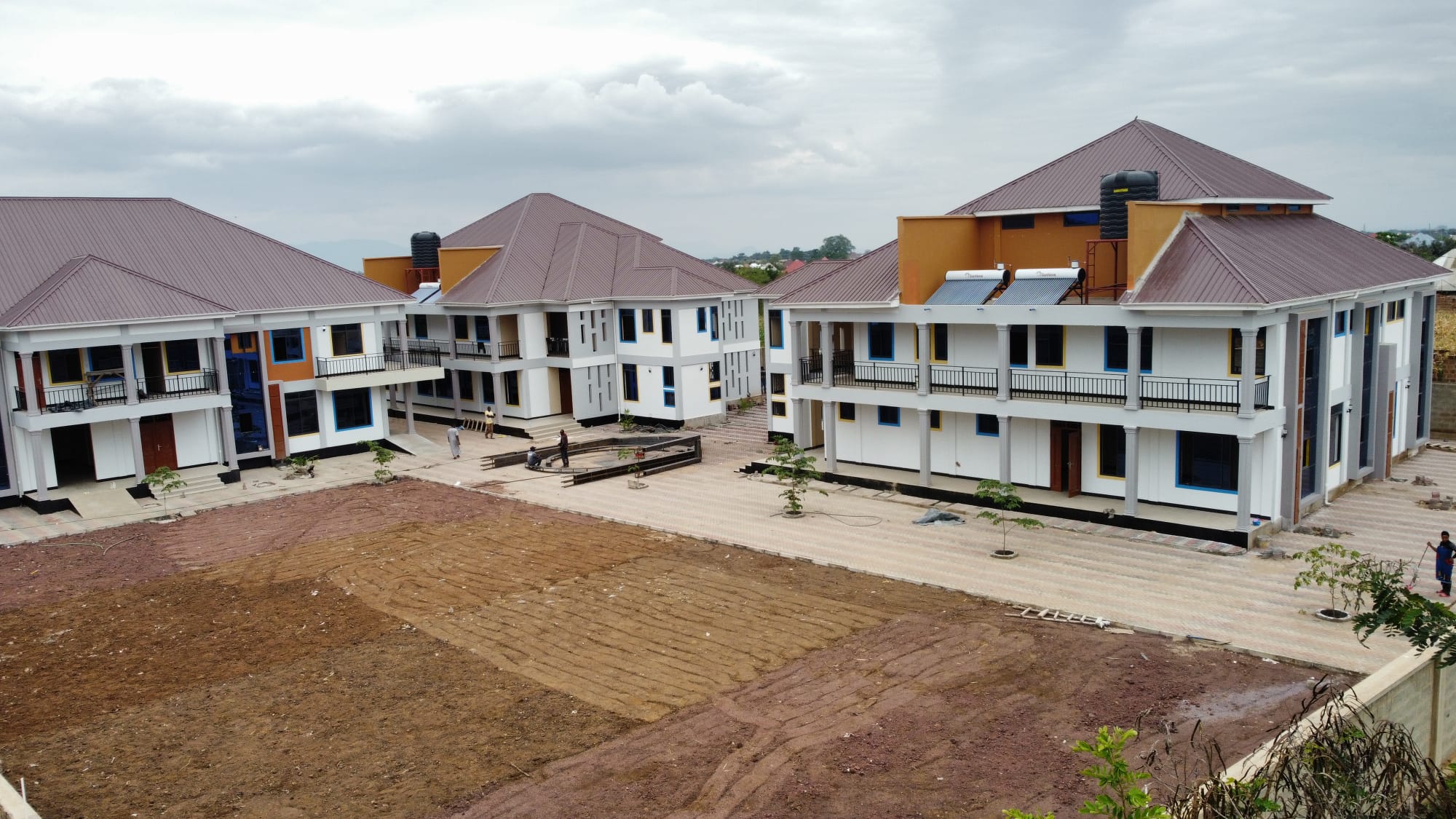
Following that visit, we pledged to support the construction of Kijana Kwanza’s new children’s home which will provide emergency shelter for orphans and street children living in Tanzania. The home will meet their physical, mental, emotional and social needs through access to healthcare, quality schooling and recreational activities. It will also train foster parents and build community networks that create stable, nurturing family environments.

Our team have visited Tanzania every year since – learn more about each expedition below.

September 2026 Expedition

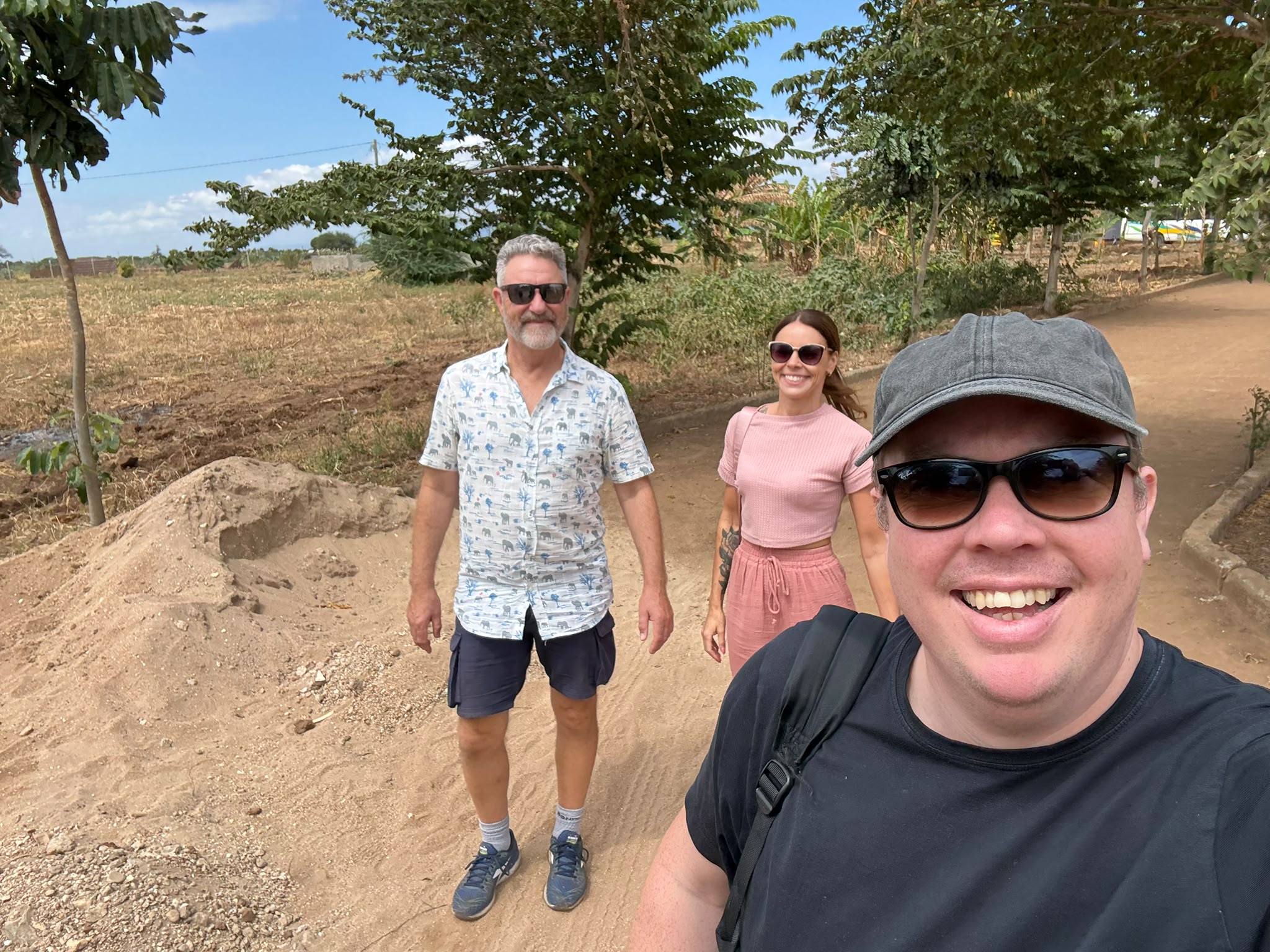
In September 2026, our team travelled to Tanzania to support Kijana Kwanza and attend the official opening of Shabaha Children’s Home, which SBCH proudly helped to build. Upon arrival, the group began by meeting Kijana Kwanza’s leadership team to discuss the work both organisations do, exploring how UK and Tanzanian approaches to children’s services reflect different contexts but shared values.

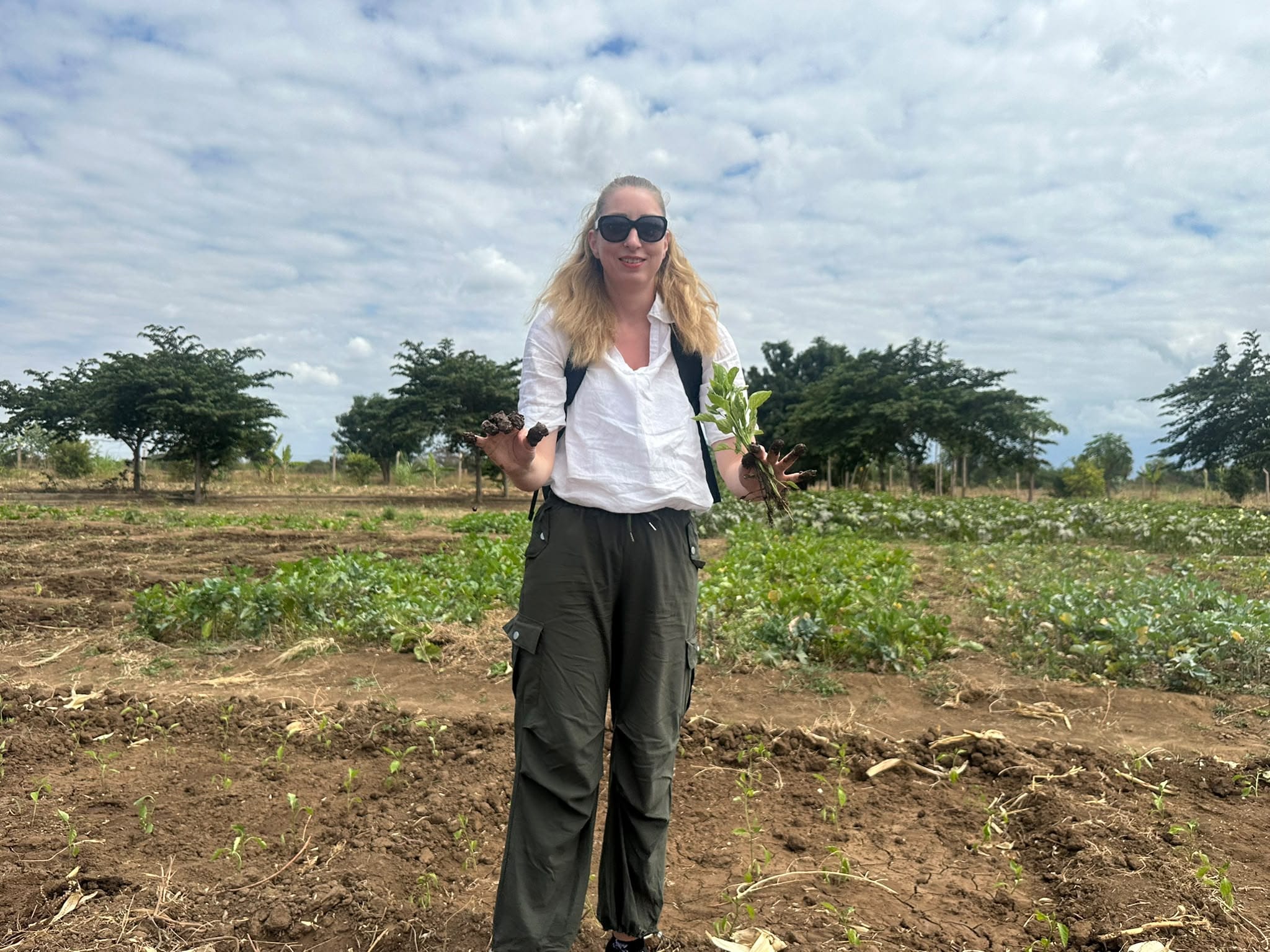
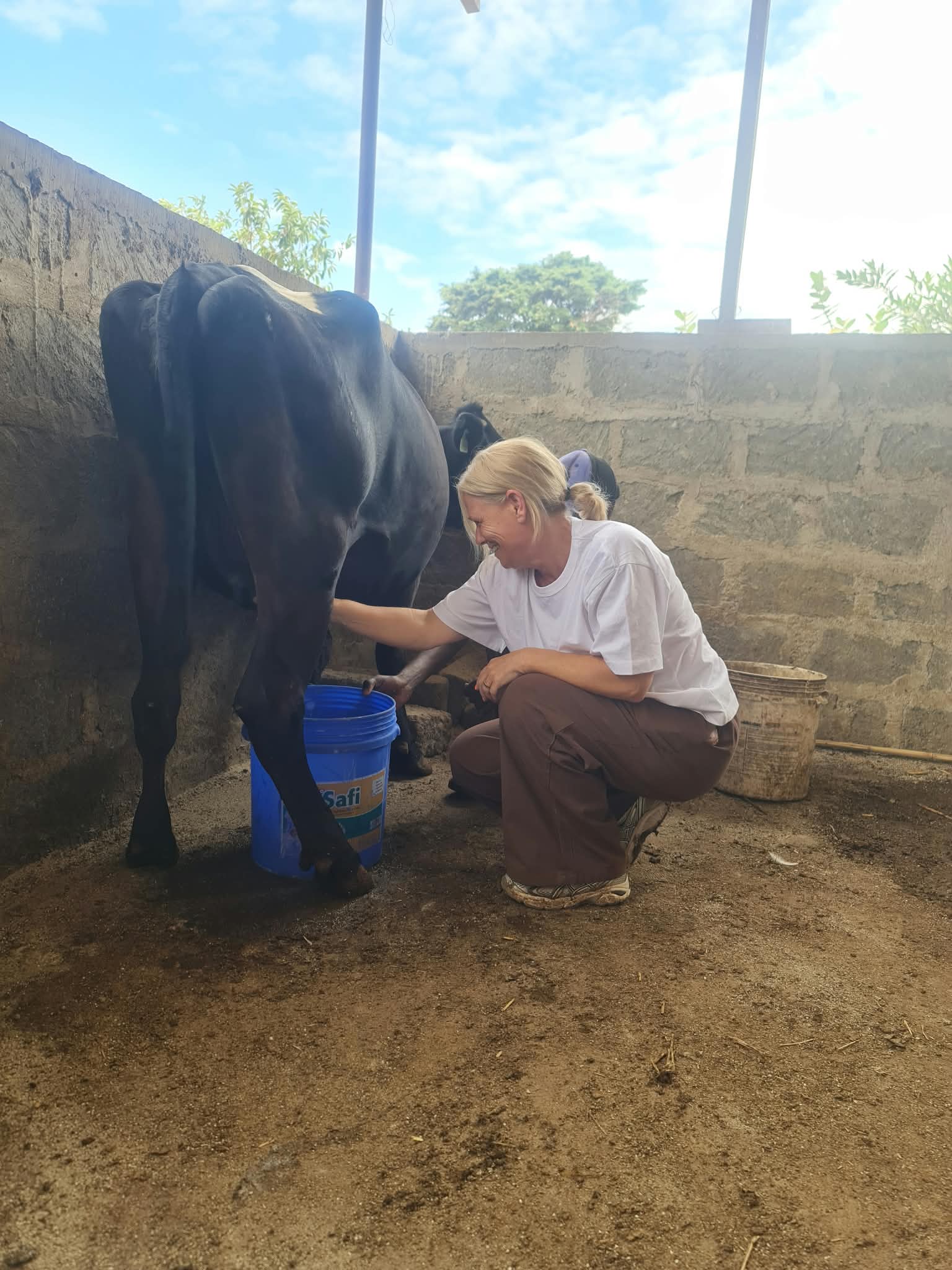
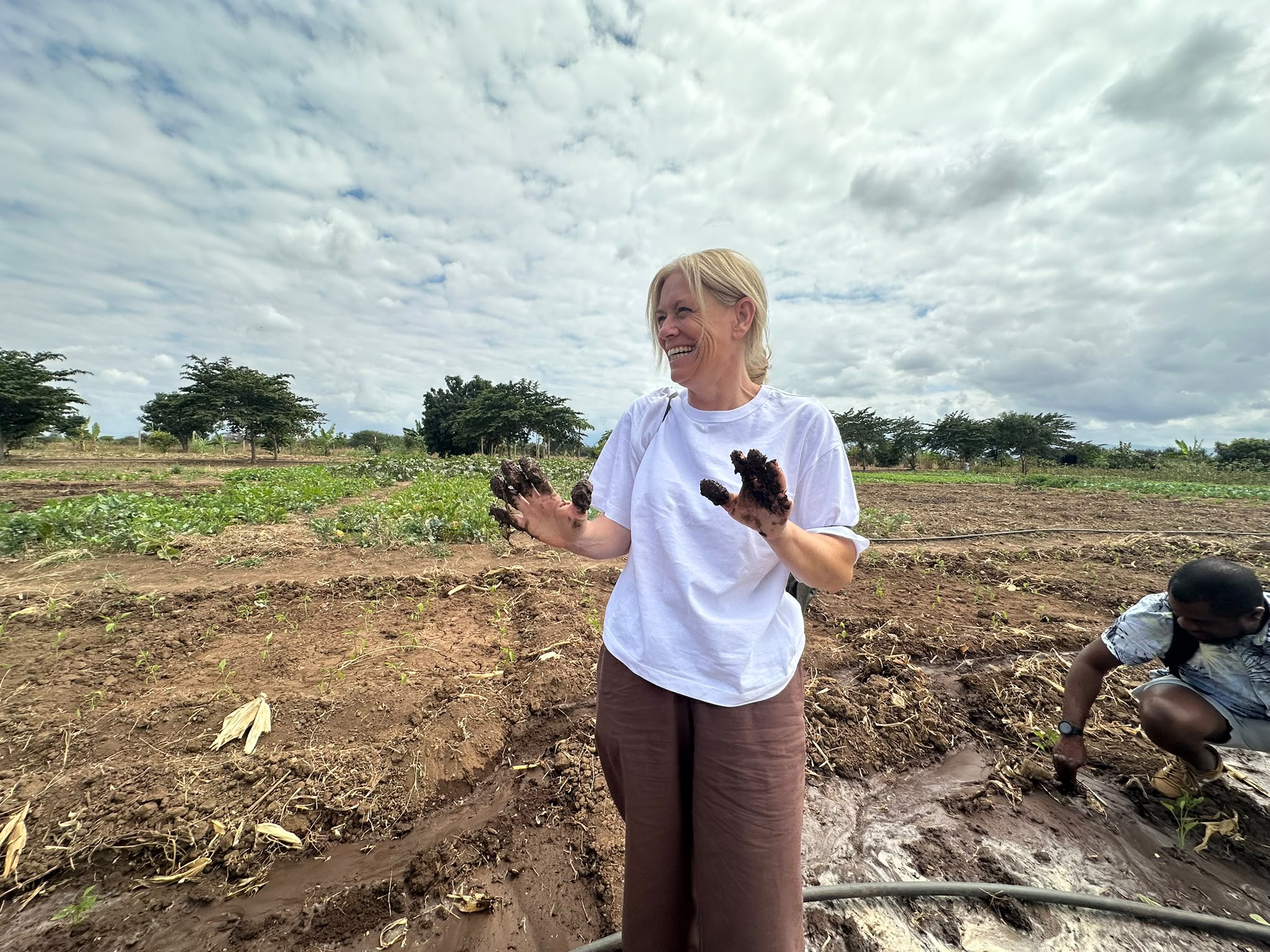
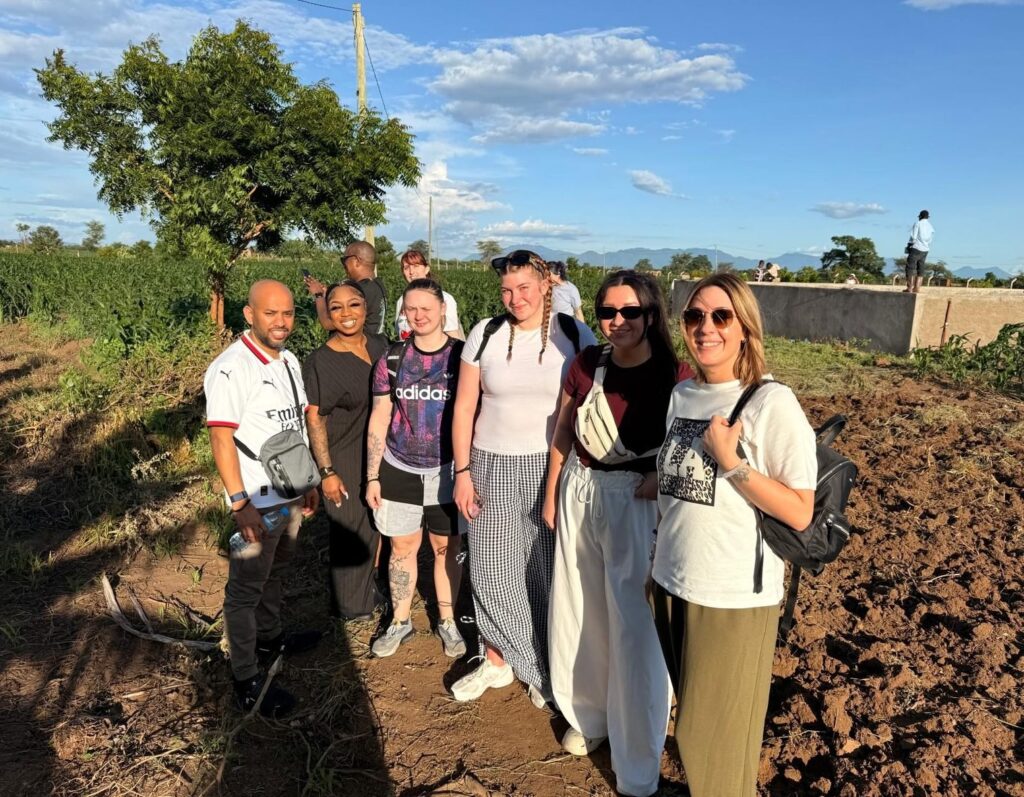
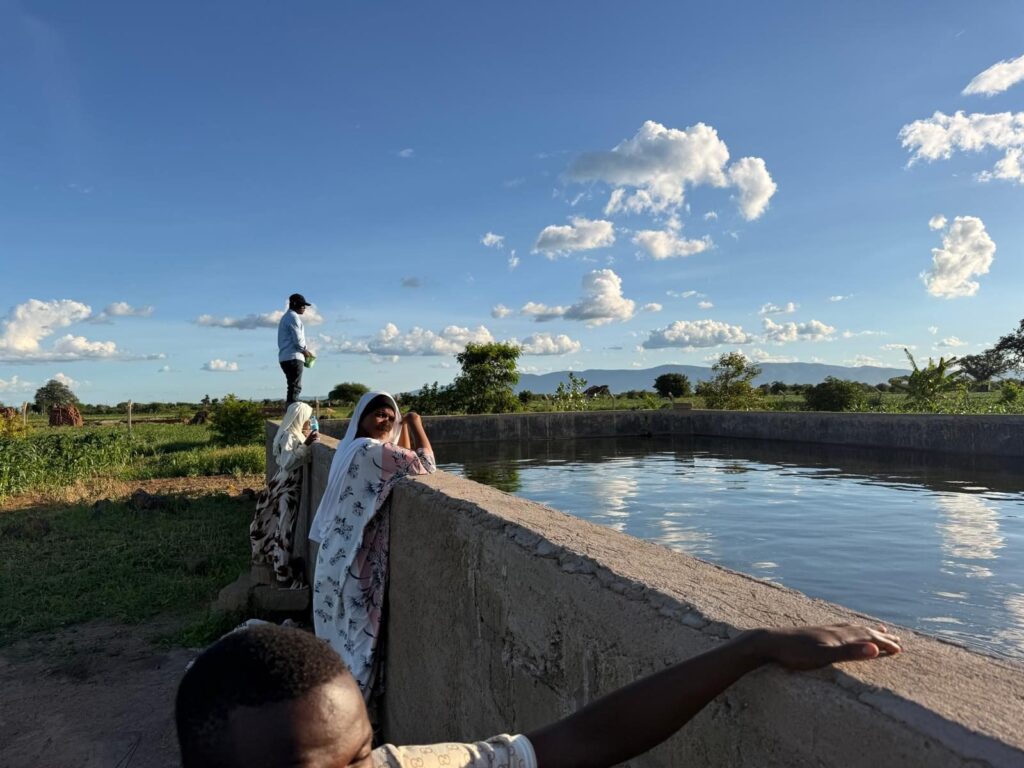
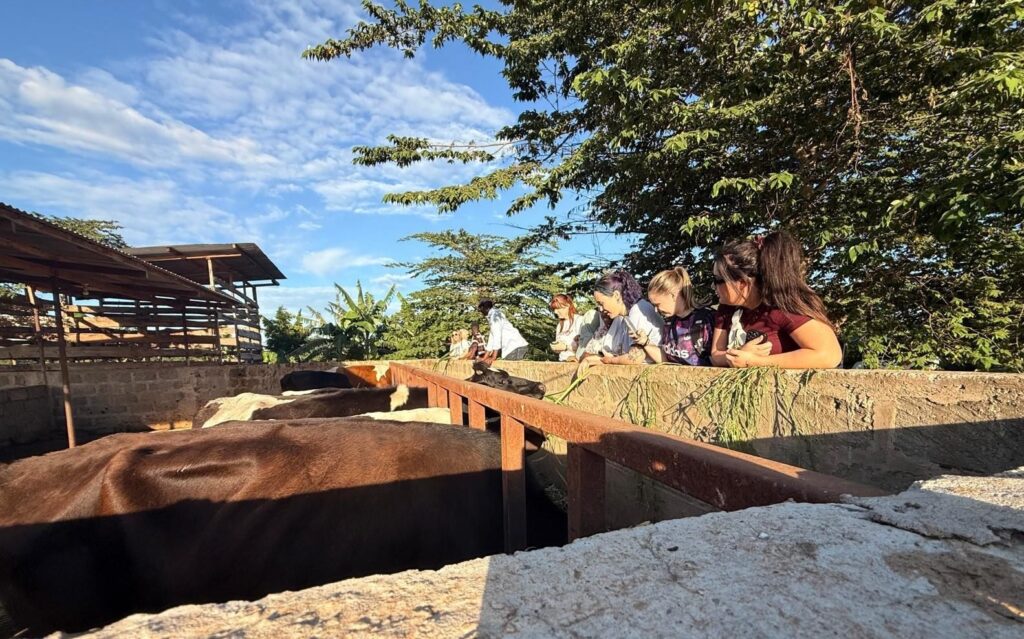
The following day was spent at Shabaha Farm that supplies much of the food for the children at Kijana Kwanza. The team took part in a variety of farming activities, planting peppers, milking the cows and preparing food for the herd, before sampling some of the freshly grown fruit and vegetables. They met Farmer John and his family and gained insight into how the farm operates on a nearly self-sustaining model, where everything is carefully reused, from water used for the fish, to the produce grown and sold.

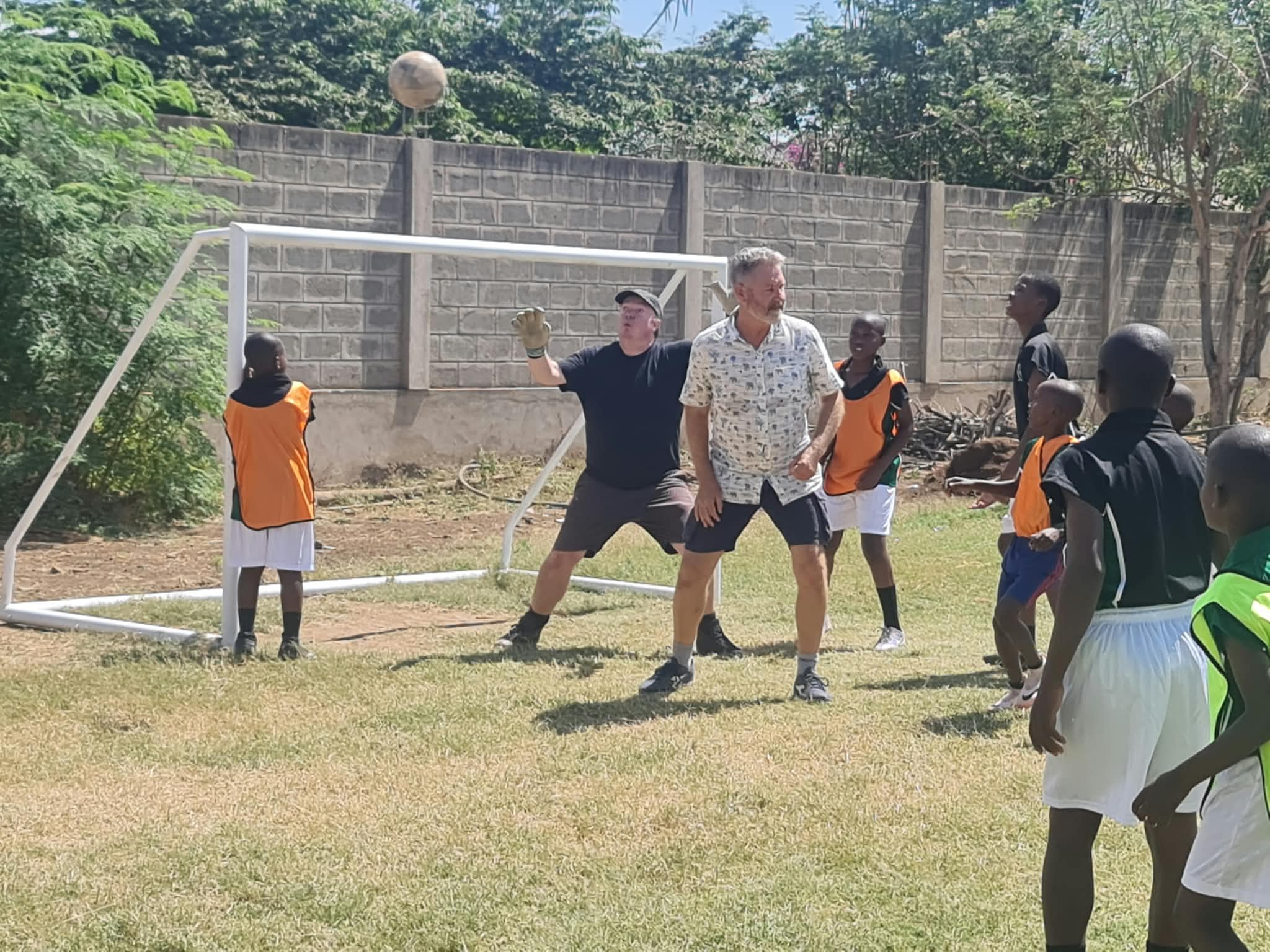
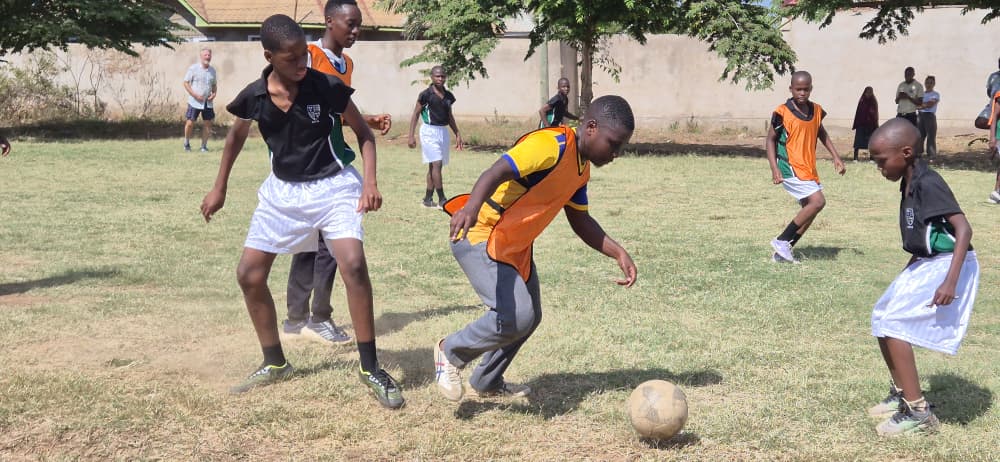
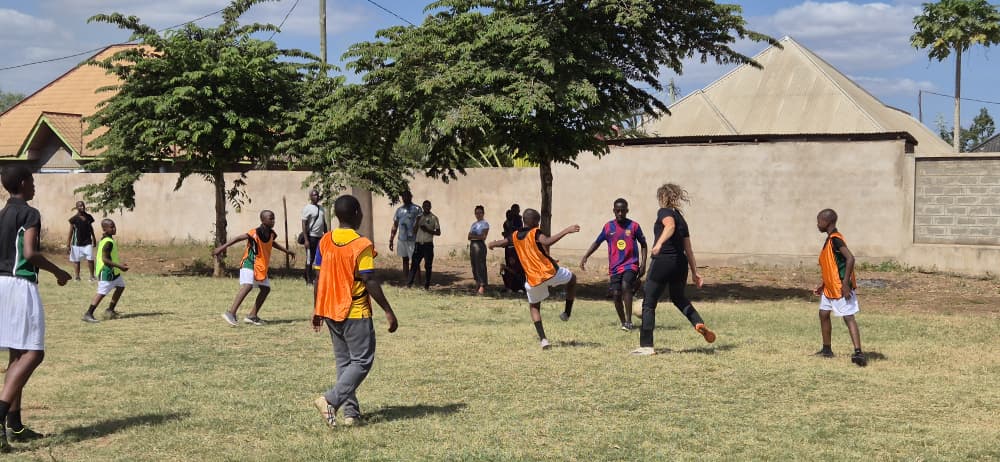
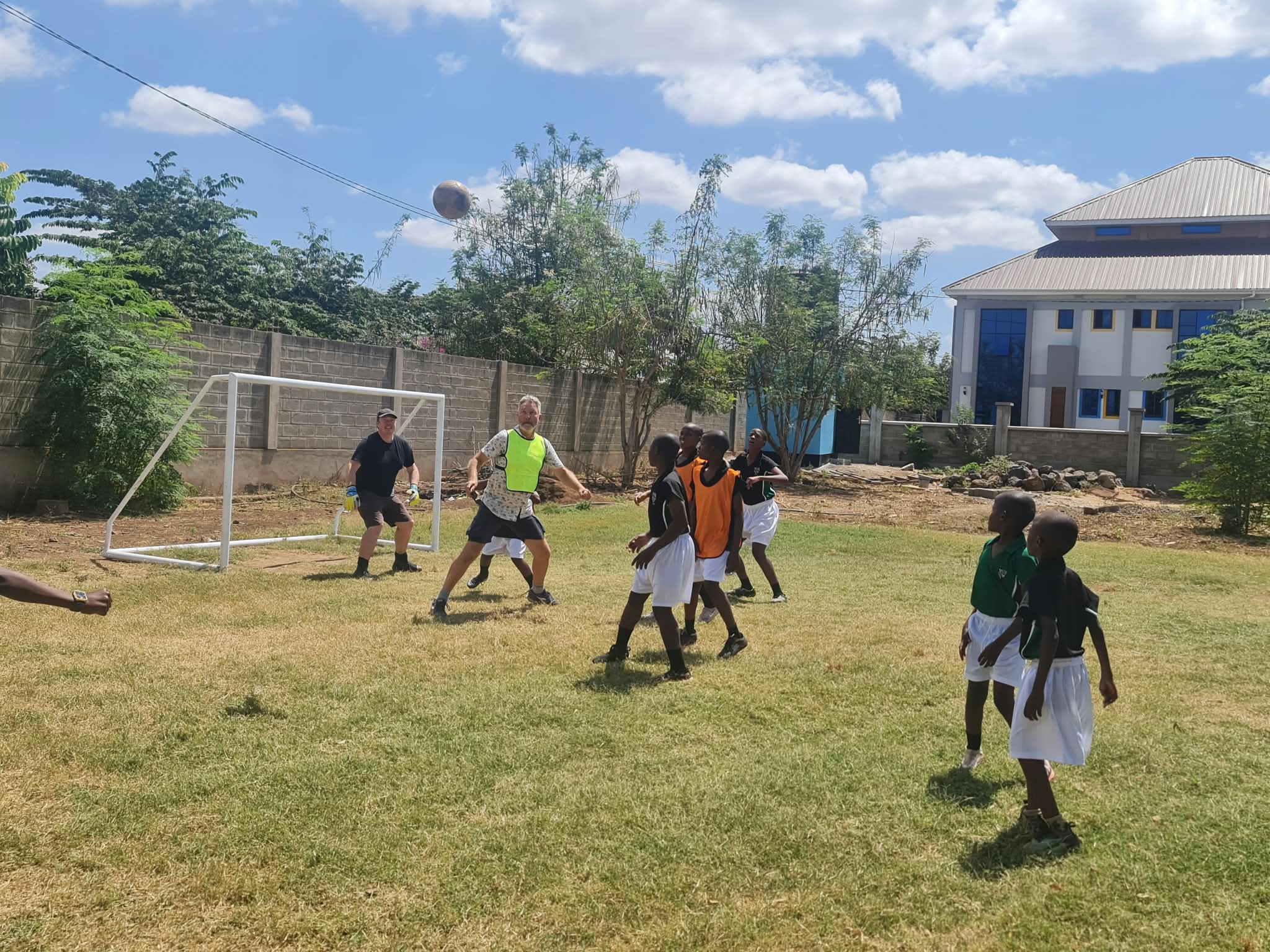
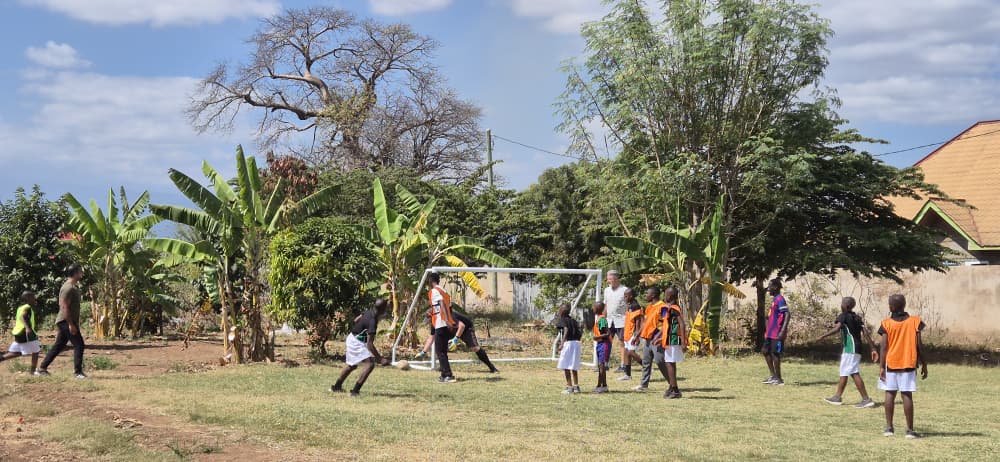
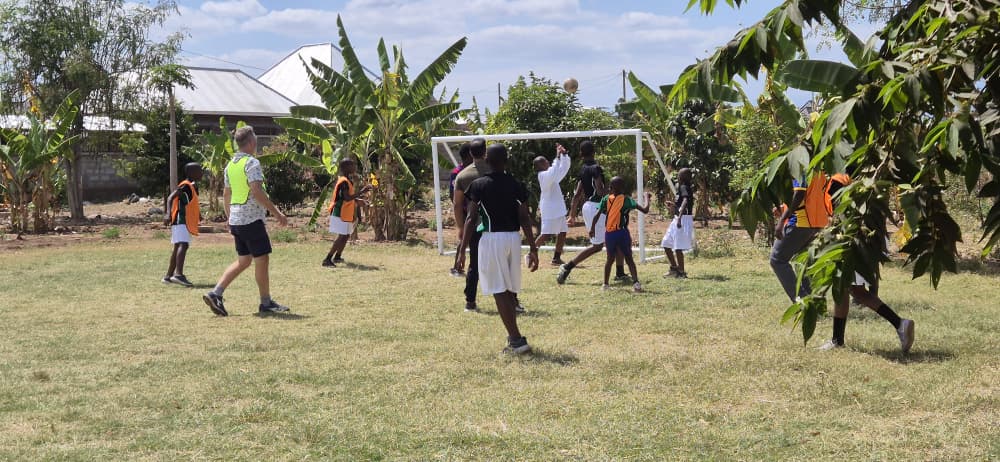
Later in the day, they visited Kijana Kwanza’s school, where they enjoyed spending time with the children, including colouring and playing a very competitive match of football – which ended with Dan ripping his shirt while throwing the ball, providing plenty of entertainment for all!

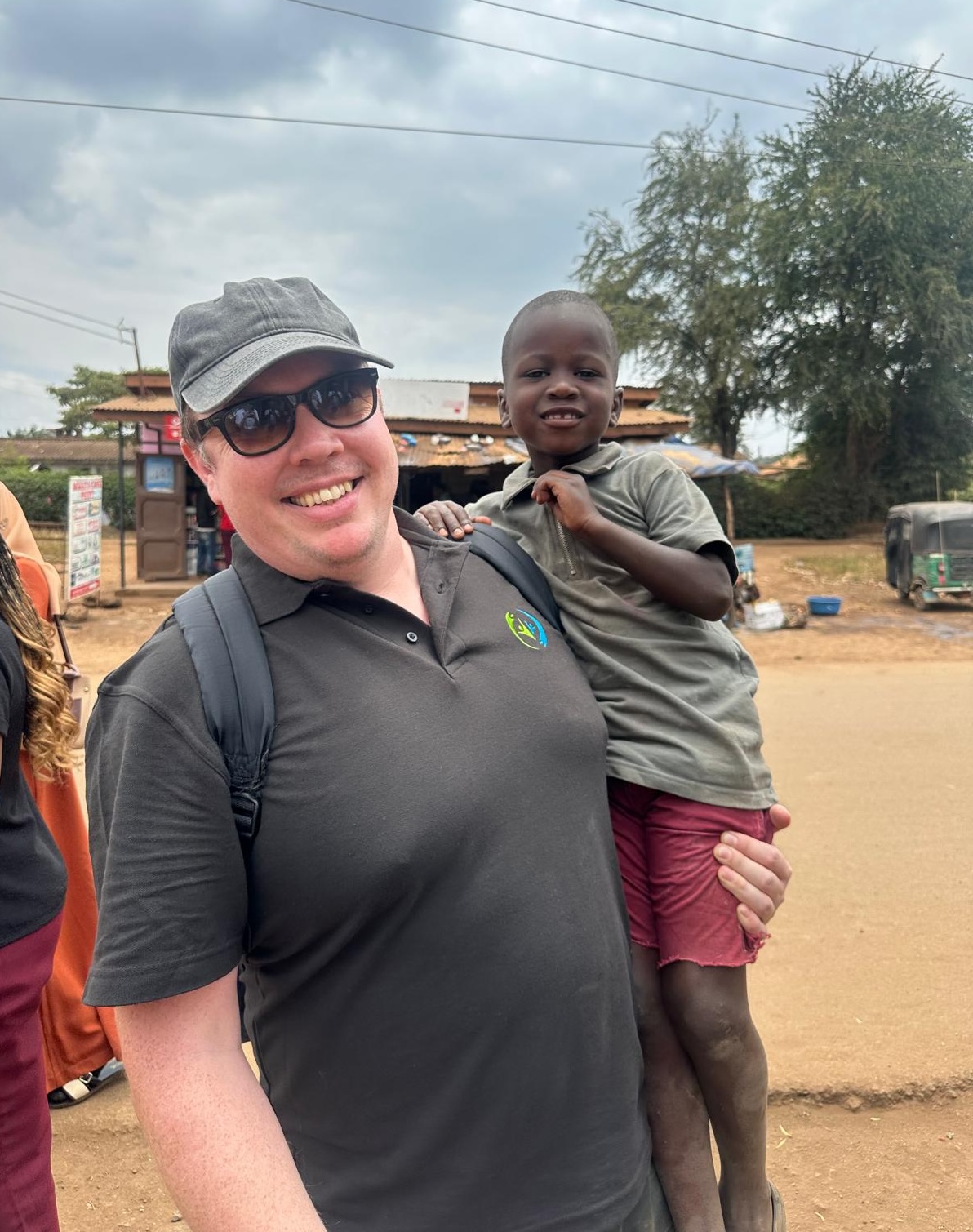
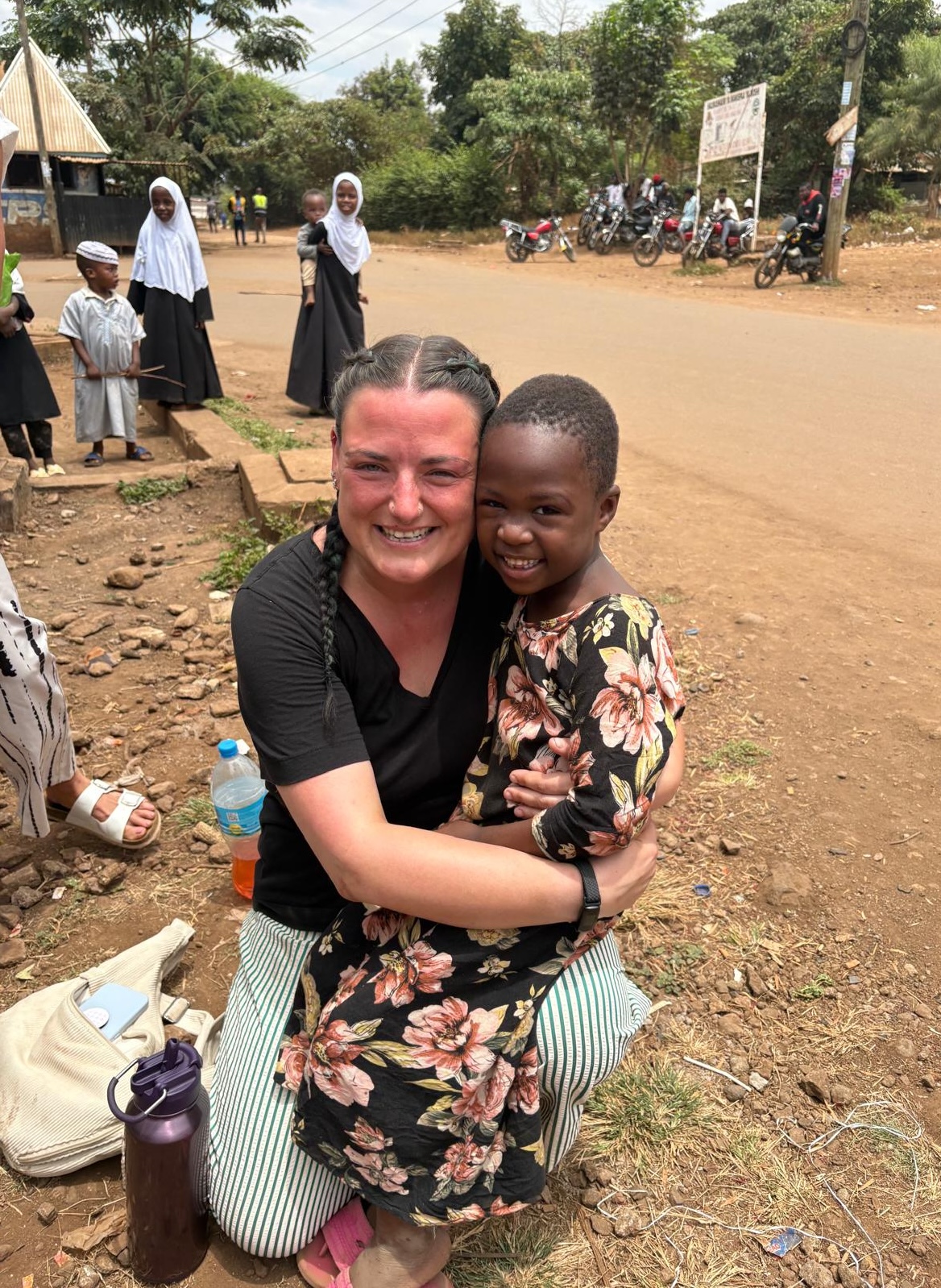
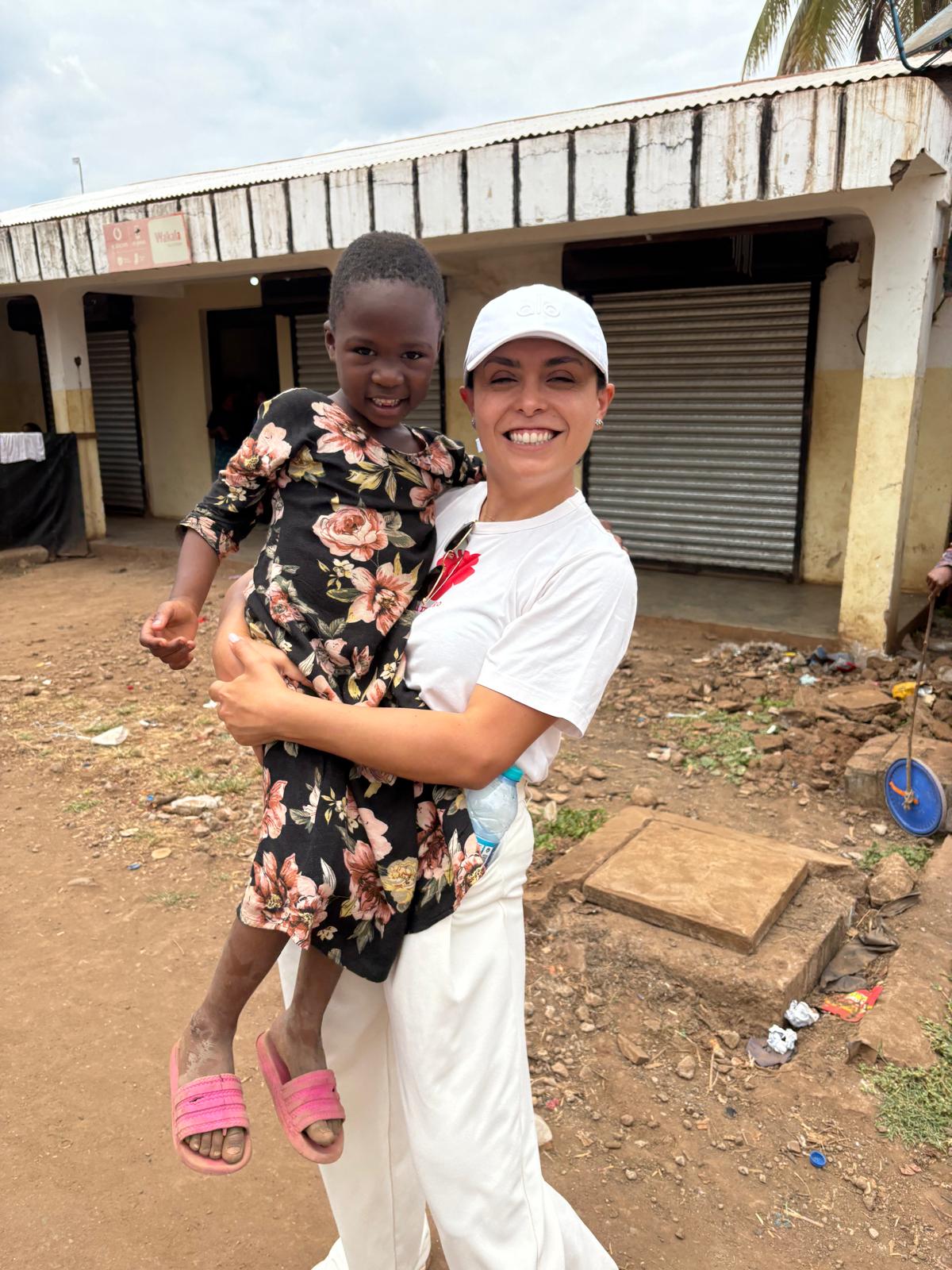
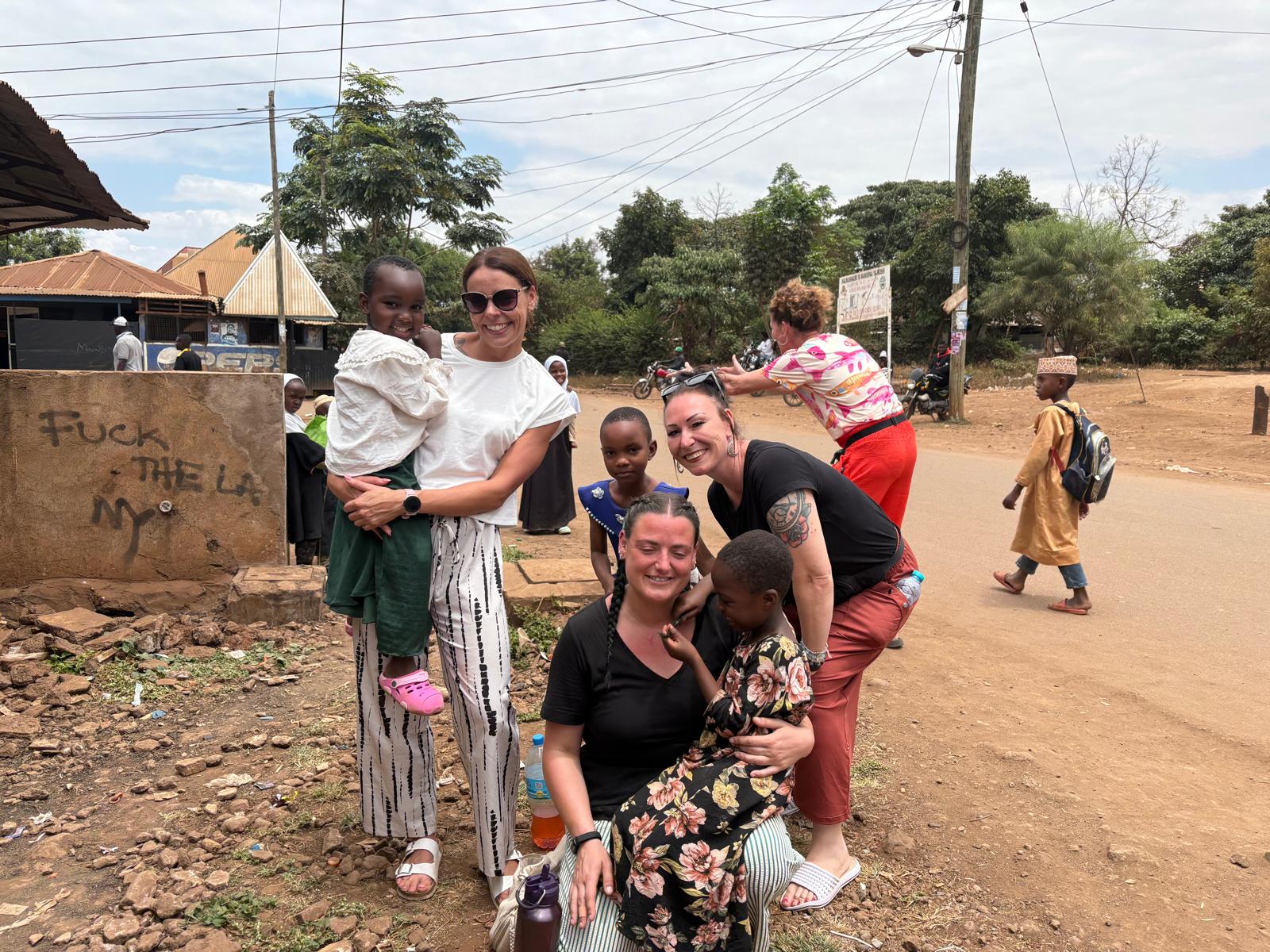
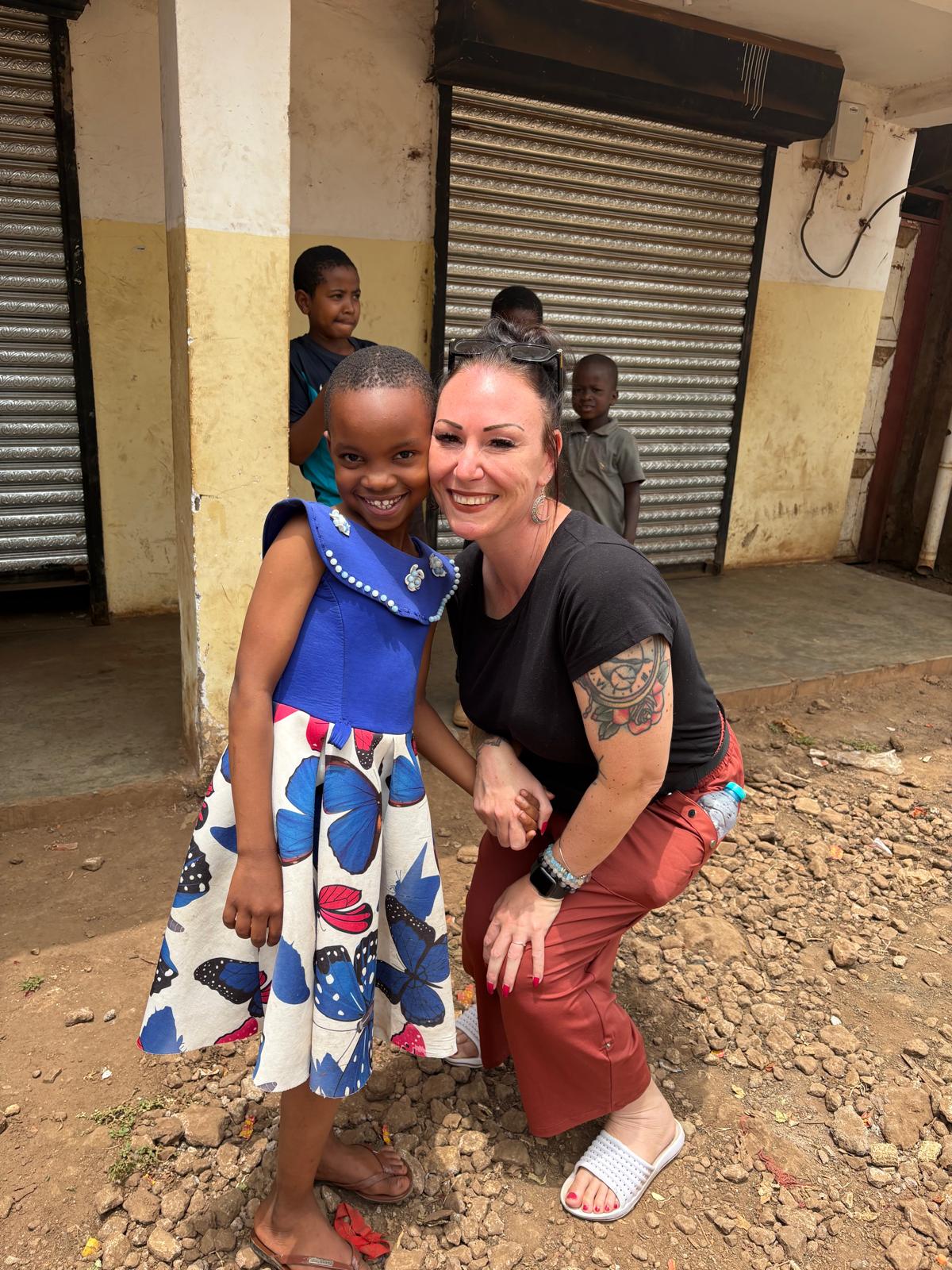
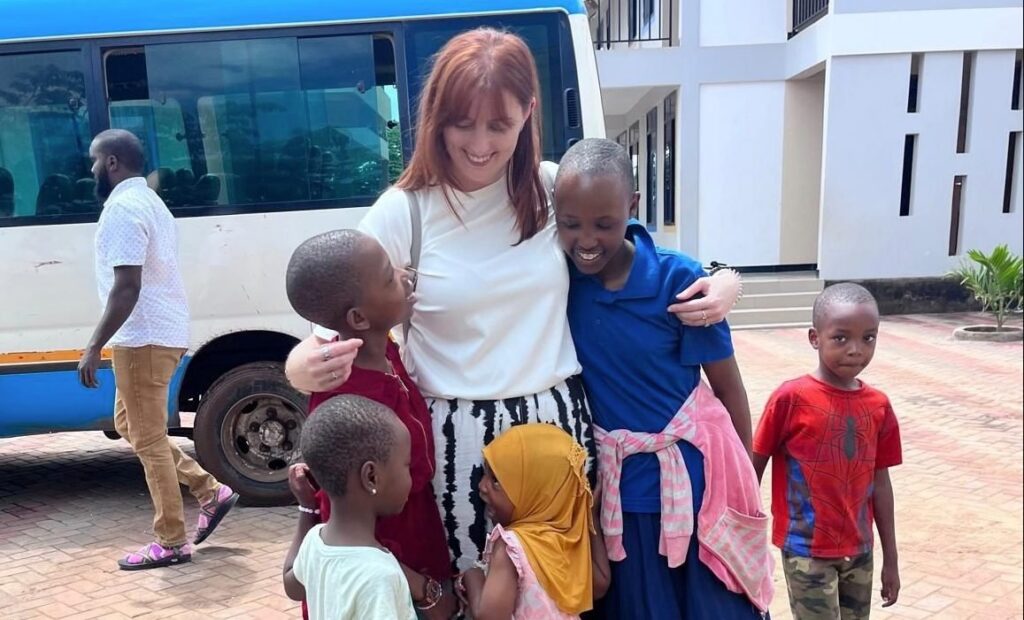
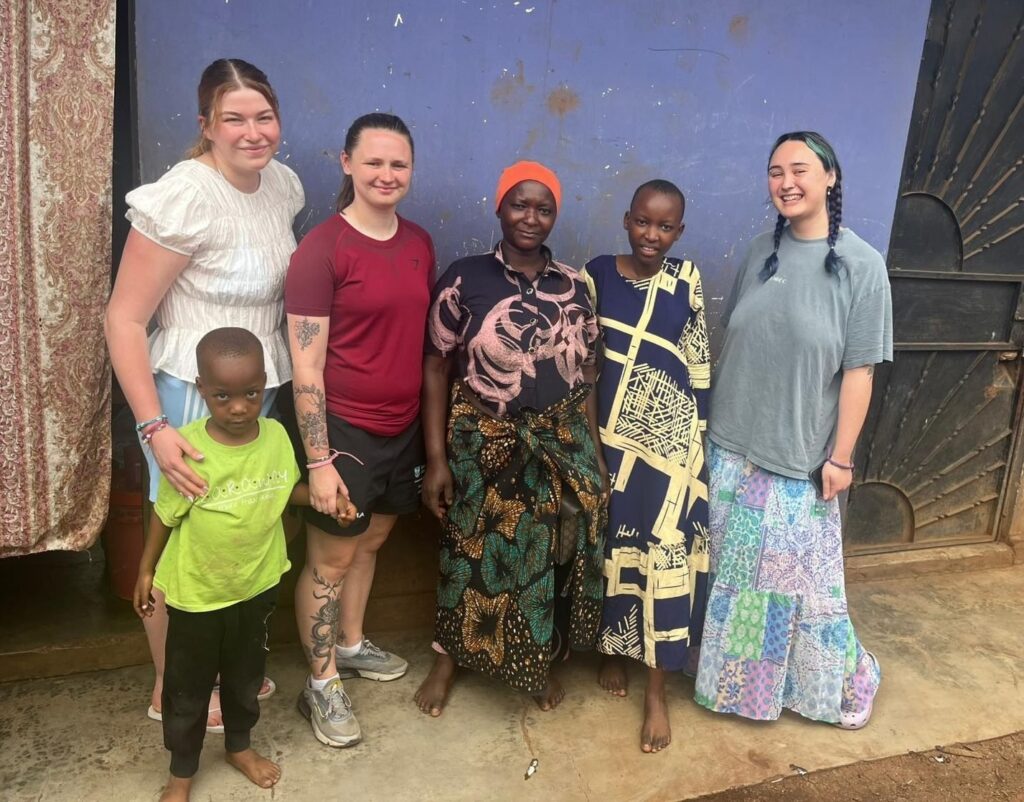
The group then accompanied Kijana Kwanza’s social workers into the local community, where they visited homes and met families supported by Kijana Kwanza. Walking through these neighbourhoods, seeing minimal resources but the pride families held, was deeply moving. The children they met were happy and excited to dance and spend time with our team!

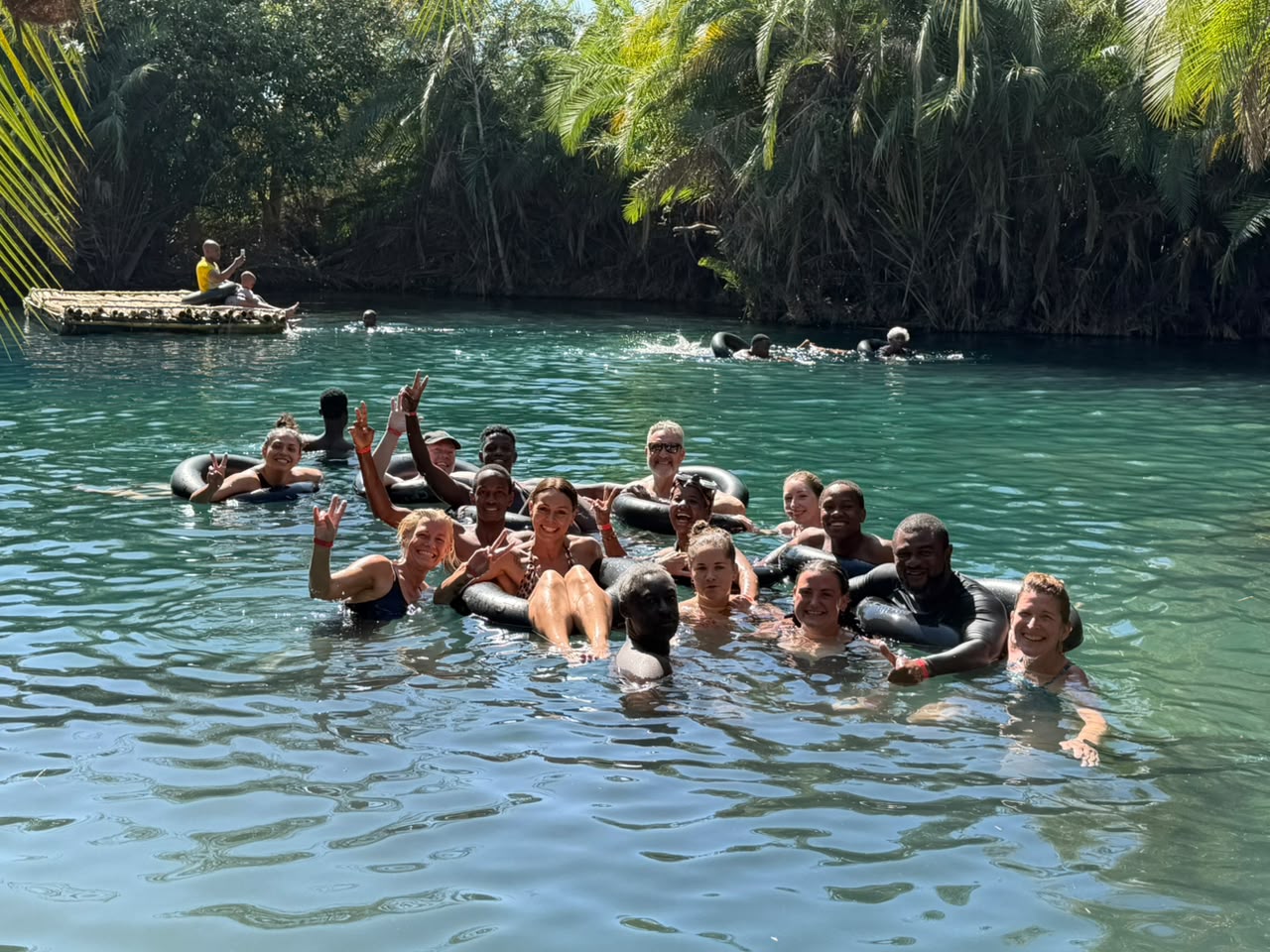
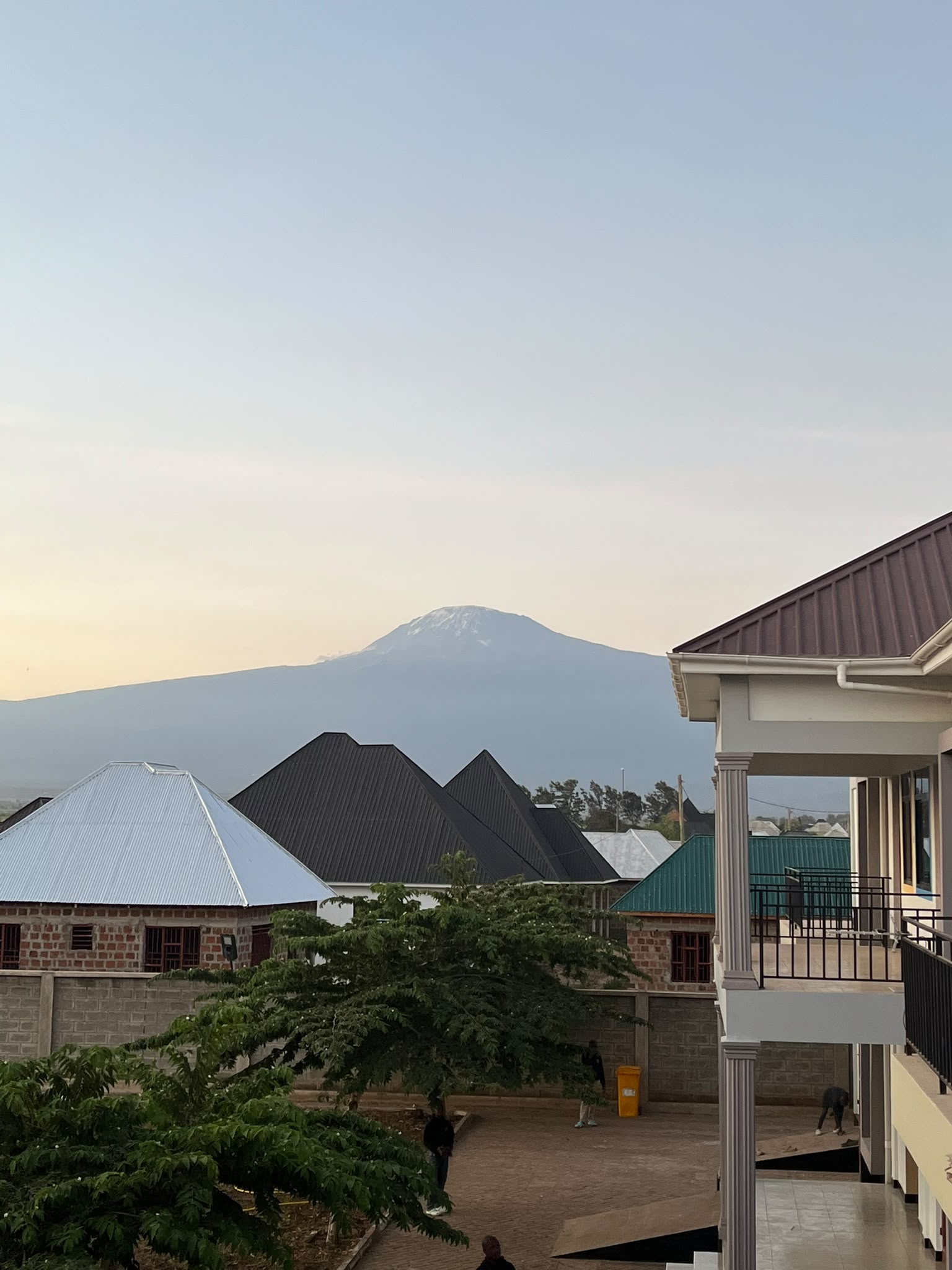
In the afternoon, the team also learned about an initiative supporting bibis, elder women in the community who provide foster care for up to two children. Rather than placing all children in residential homes, this approach keeps families together in the community, expanding how Kijana Kwanza supports vulnerable children across the region. They then visited Chemka Hot Springs where they enjoyed the warm water and beautiful surroundings with views of Mount Kilimanjaro – with some bravely trying out the rope swing!

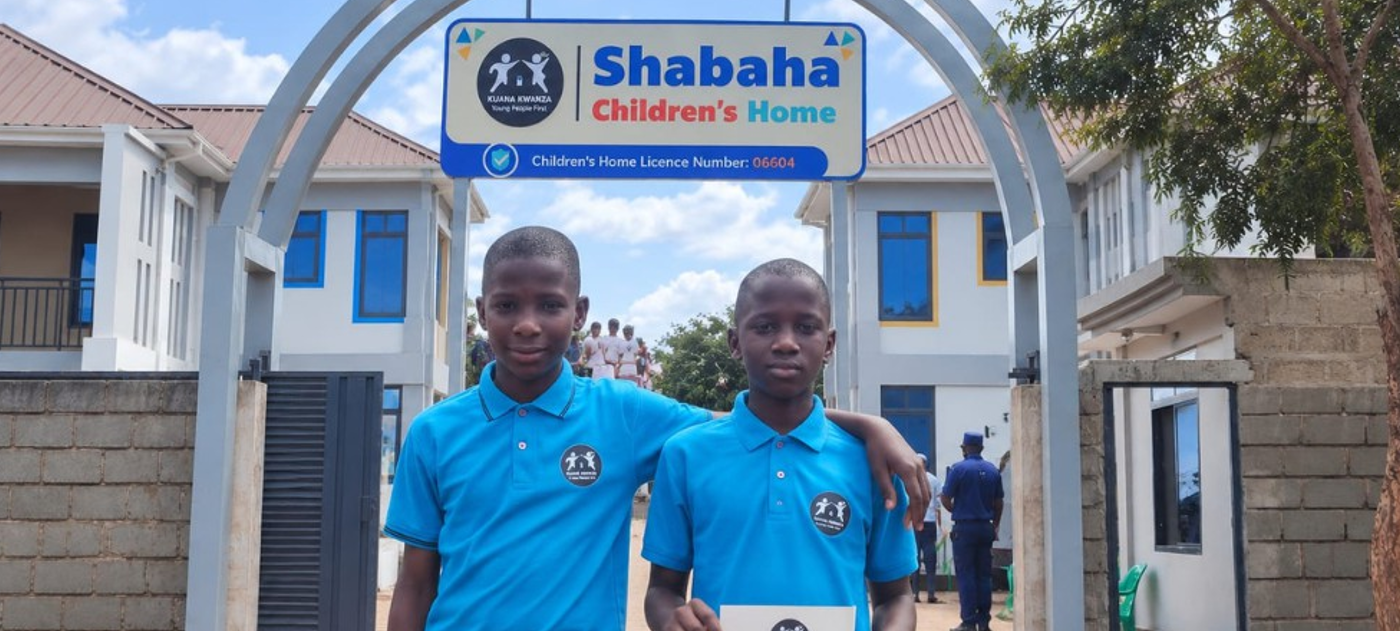
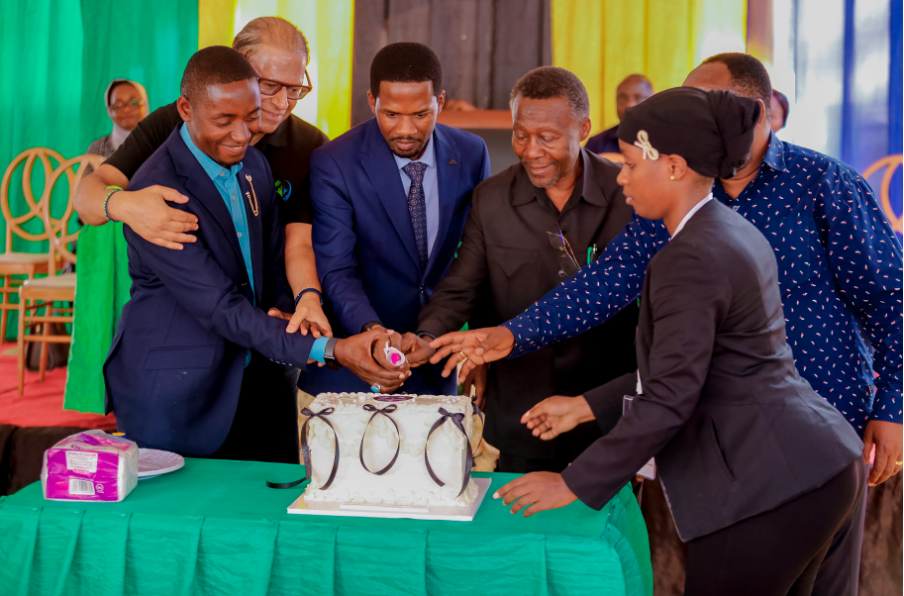
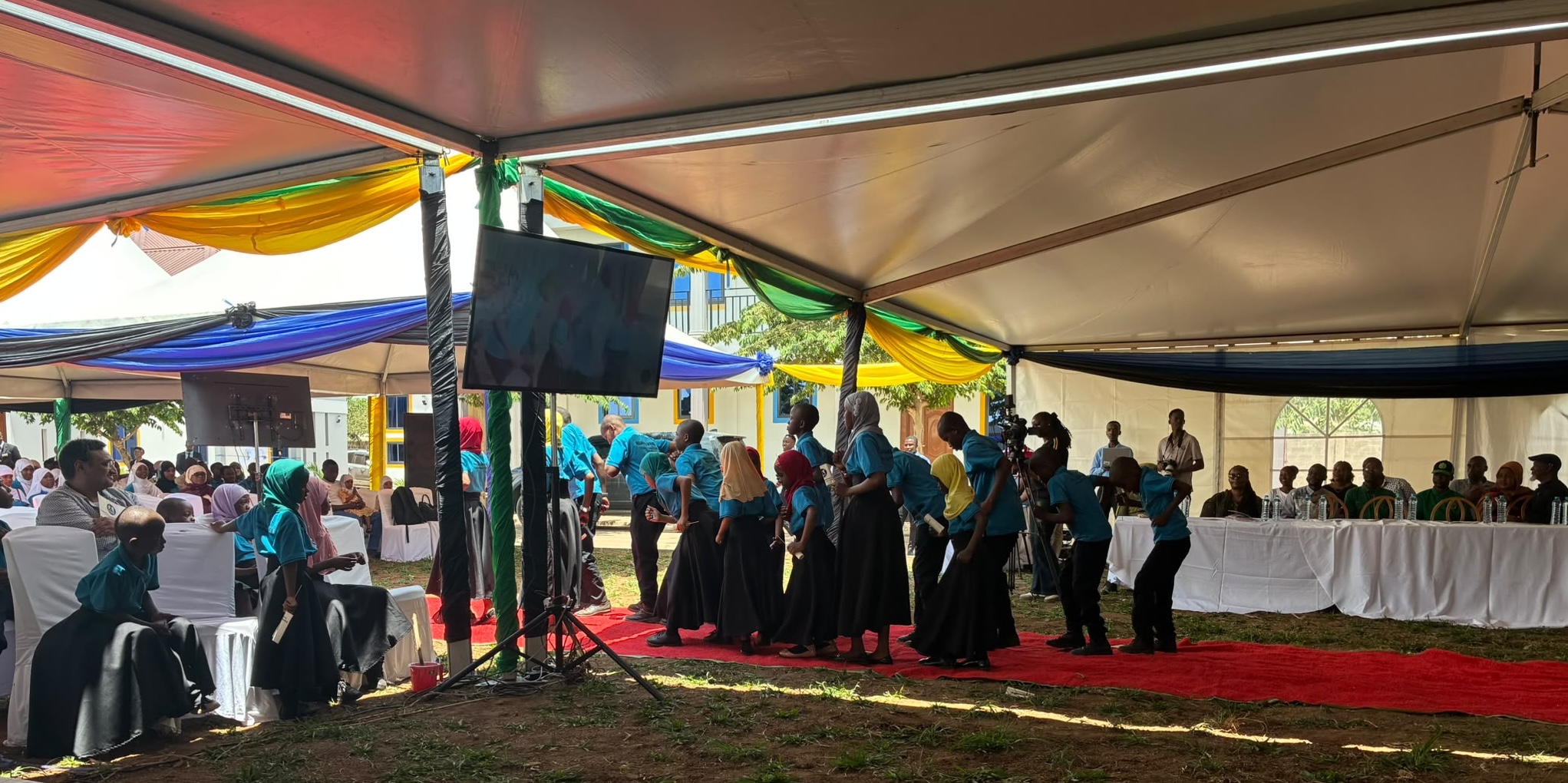
The next day marked a hugely momentous occasion for SBCH as our team attended the official opening of Shabaha Children’s Home in the presence of around 500 children, young people, community leaders and neighbours. The home was officially opened by the Regional Commissioner for Kilimanjaro and our CEO, Karim.

Kijana Kwanza has created Shabaha to provide an alternative to long-term institutionalisation. For every child who enters Shabaha, their aim is for another to leave residential care, safely reunified with their family or provided with long-term foster care at Sakina Family Village, under the guardianship of a trained bibi (or “grandmother”).

SBCH has been proud to support and work alongside Kijana Kwanza since 2024 as they seek to revolutionise the way children’s services are provided in Tanzania, helping to ensure that no child who needs support is turned away. We were honoured to support the construction of Shabaha and to be part of this hugely special event. Guests enjoyed entertainment from Kijana Kwanza students, a tour of the new facilities, and a screening of Road to Shabaha, which tells the story of how Kijana Kwanza began, how it has grown, and how its team has worked tirelessly to reach this moment.

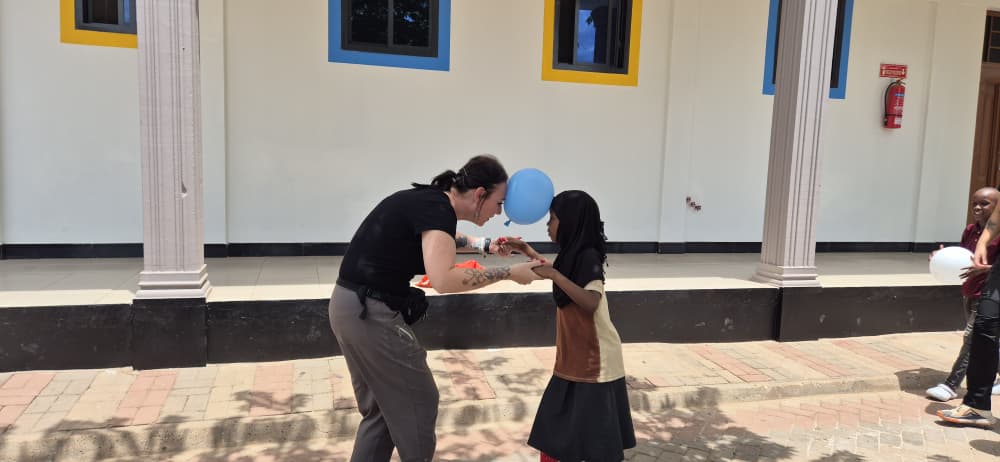
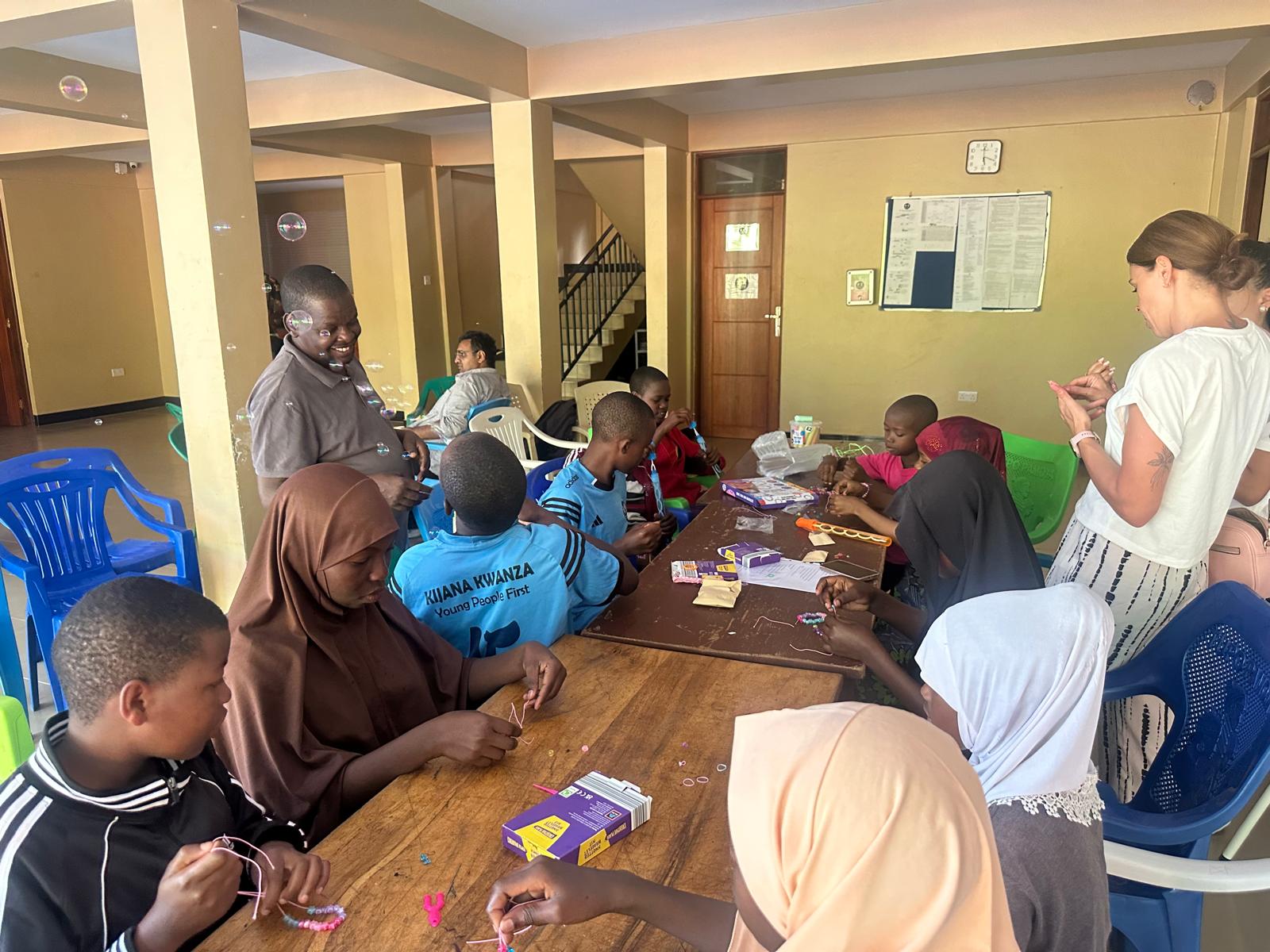
Later in the evening, our team returned to Kijana Kwanza’s school where they played netball, hopscotch, joined classroom activities, and made bracelets with the children. Watching the children’s faces light up and seeing their own team come alive was hugely rewarding.

Some of our team then went on to take on the epic challenge of climbing Mount Kilimanjaro, and we are incredibly proud of them for successfully reaching the summit to to raise vital funds for Kijana Kwanza.

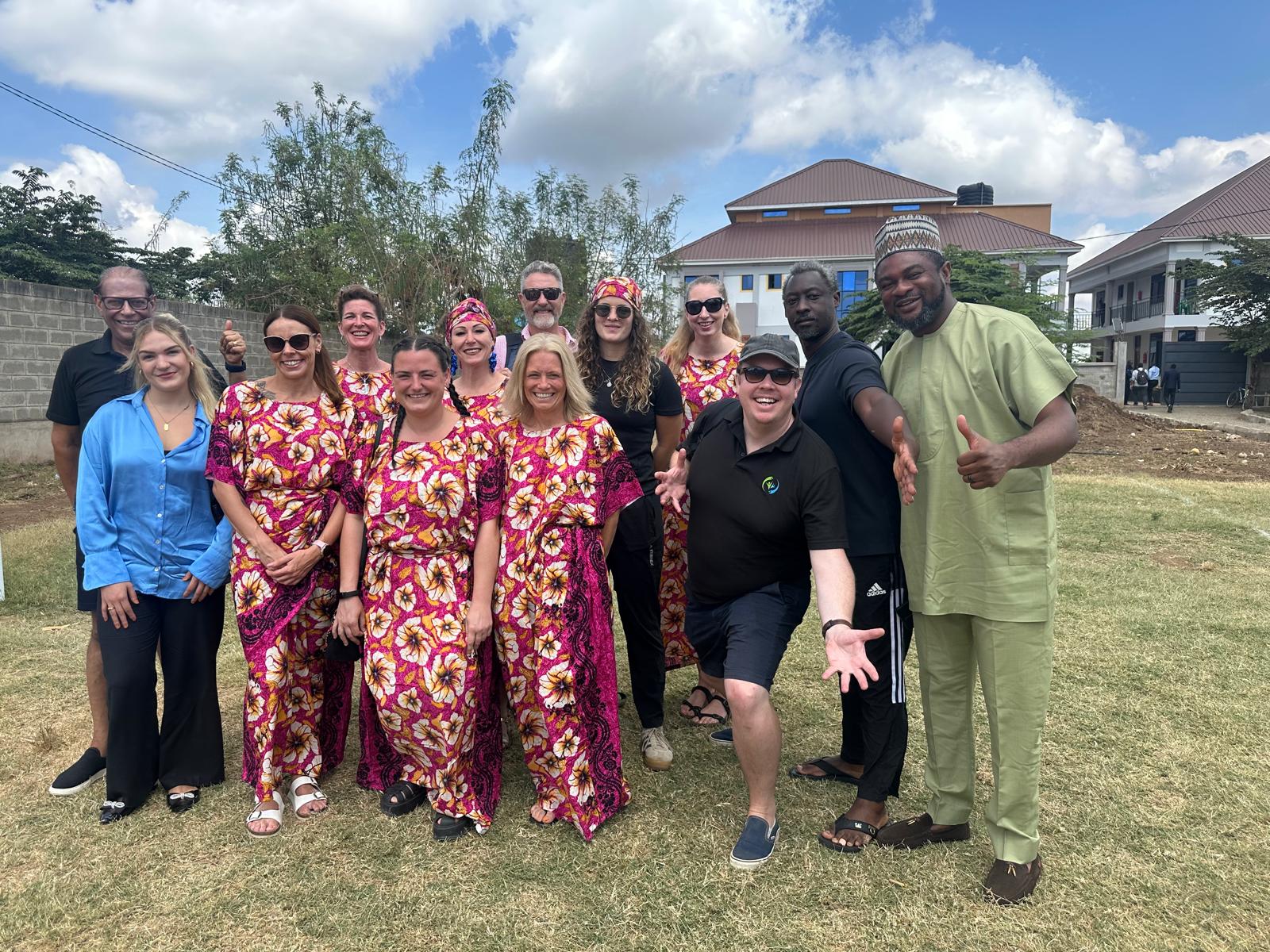
It has been a truly life-changing and humbling trip for our team, who have witnessed first-hand the huge impact Kijana Kwanza has on children and the local community in Tanzania. Friendships and bonds have been formed that will last a lifetime, and we look forward to next year’s expedition and continuing our fundraising efforts in the meantime!

June 2026 Expedition

In June 2026, our next group of team members travelled to Tanzania to support Kijana Kwanza, and gain a deeper understanding of their life-changing work.

After arriving at Kilimanjaro International Airport, the group began their visit by spending time with the children at Shabaha Children’s Home, whose construction SBCH was proud to support. The evening provided an opportunity to meet some of the dedicated volunteers and staff who make such a difference to the lives of the children, before sharing a meal together and getting to know one another.

The following day began with an opportunity to sample a range of local foods, including ugali and freshly made fruit juices – with mango proving to be a firm favourite. In the afternoon, the group accompanied Social Workers as they visited local families and the children in their care, providing valuable insight into the support offered within the community.

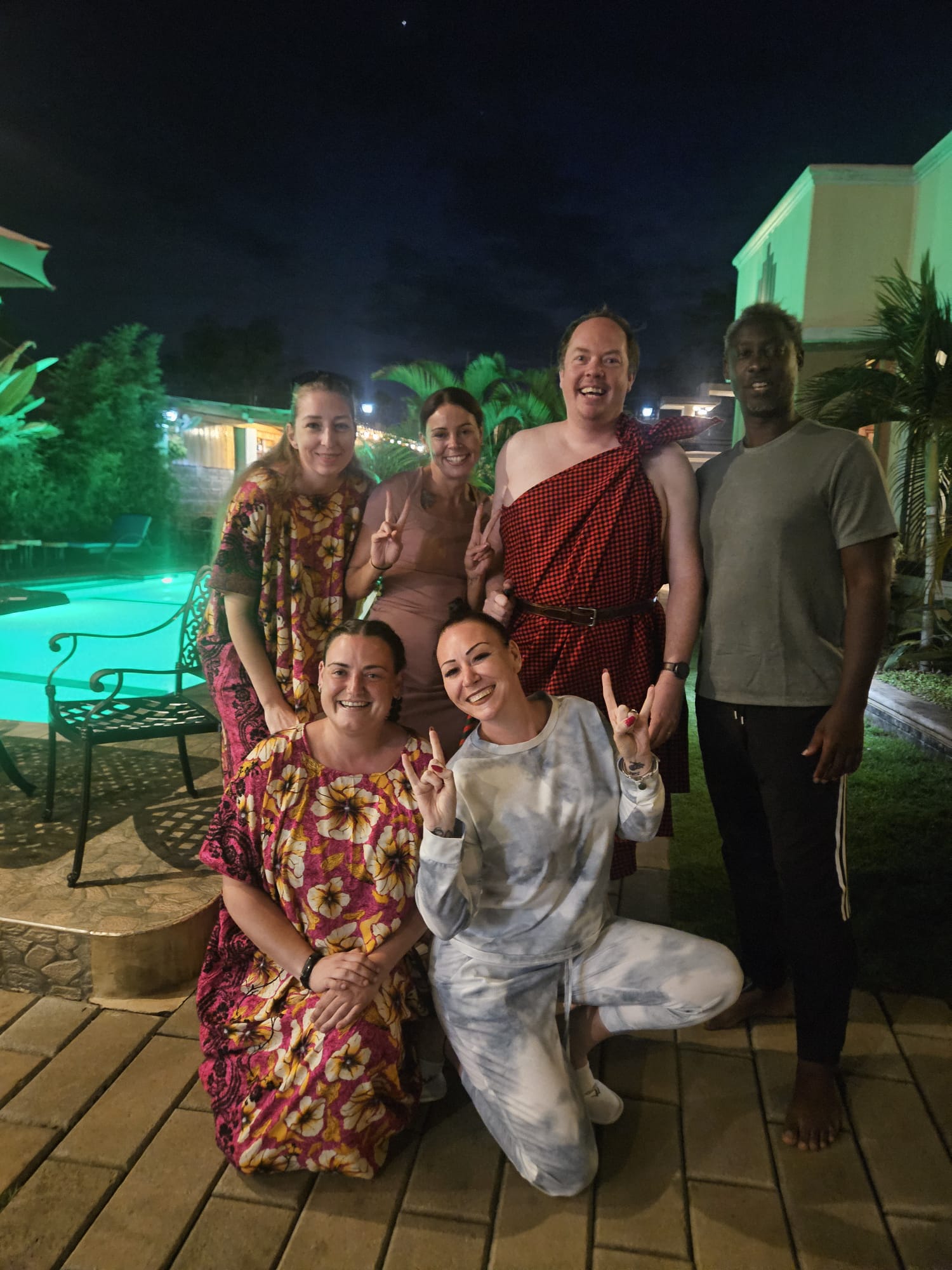
That evening, they were invited to attend a traditional wedding, enjoying an unforgettable cultural experience. Given a warm welcome, the group joined the celebrations and danced in procession as they presented gifts to the bride and groom!

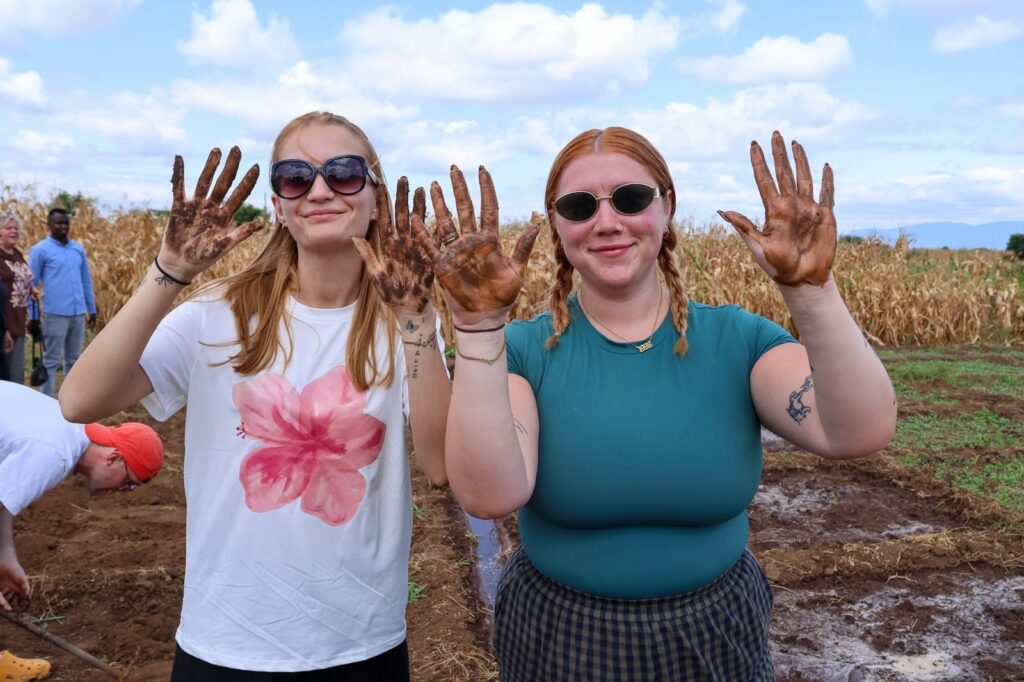
The next day was spent at the farm that supplies much of the food for the children at Kijana Kwanza, including spinach, bananas and eggs. The group took part in a variety of farming activities, using a jembe to dig holes for young plants before helping to plant and water them through the irrigation system. They also harvested native aubergines and tried their hand at milking cows.

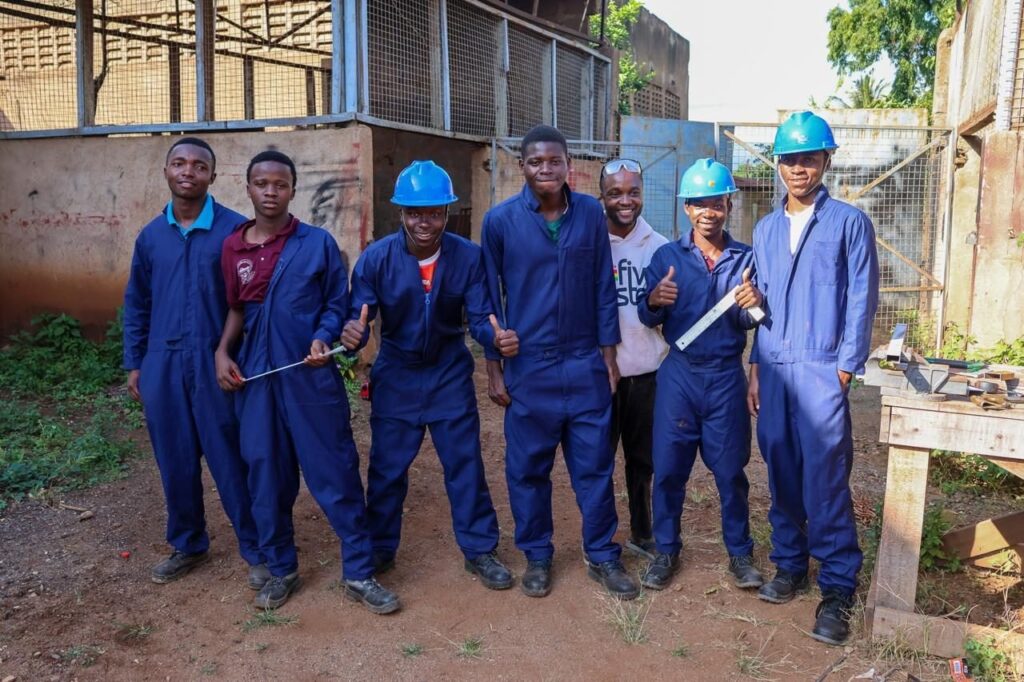
Later in the day, they visited KK’s new community homes, which will provide care and support for children who need it most. This was a humbling experience that offered further insight into the remarkable work being carried out by the dedicated staff at Kijana Kwanza. The final visit of the day was to one of the vocational training centres, where the group met students and observed them working on a range of metalwork and electrical projects. They were particularly impressed by the students’ focus, skill and attention to detail.

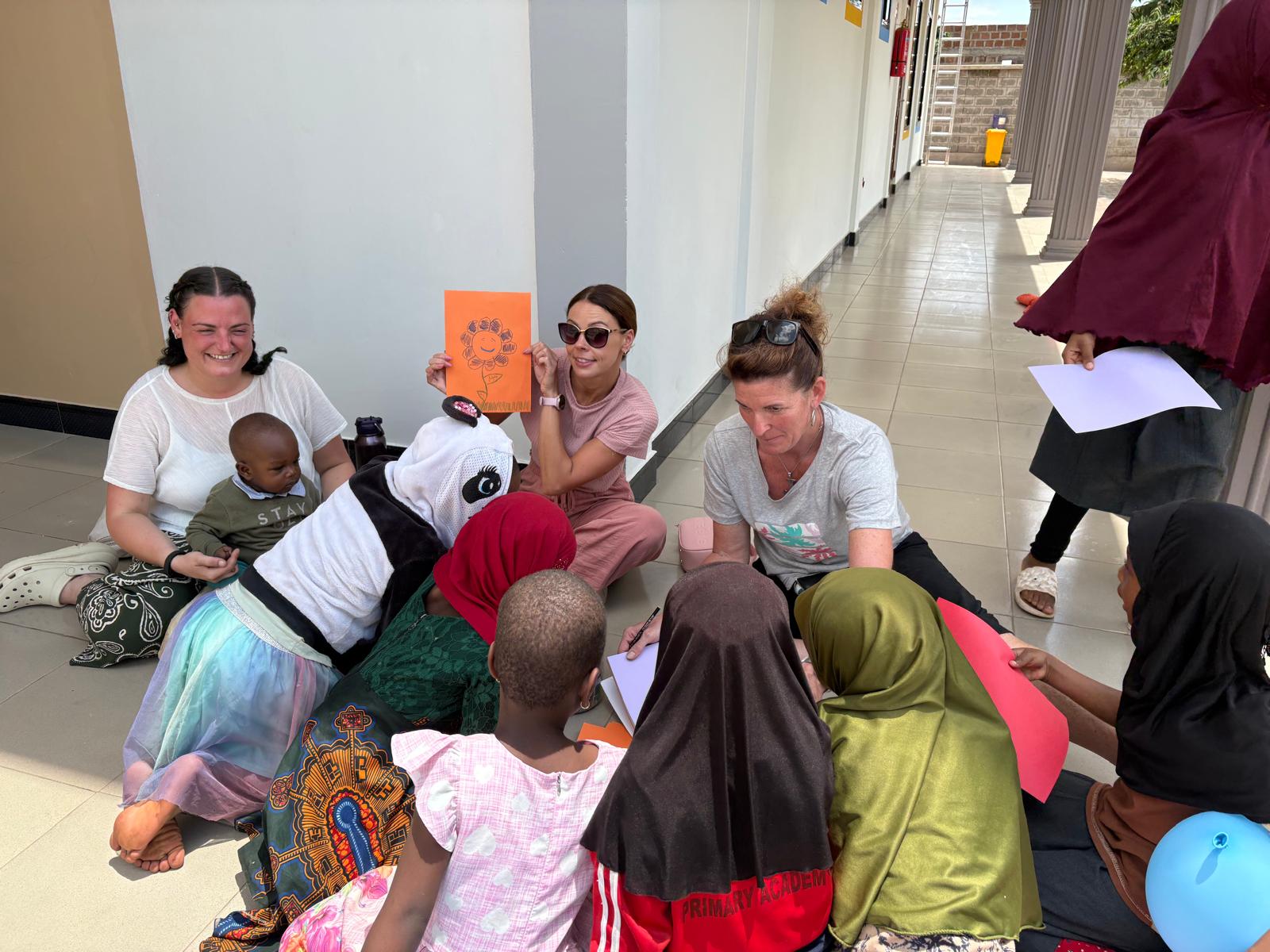
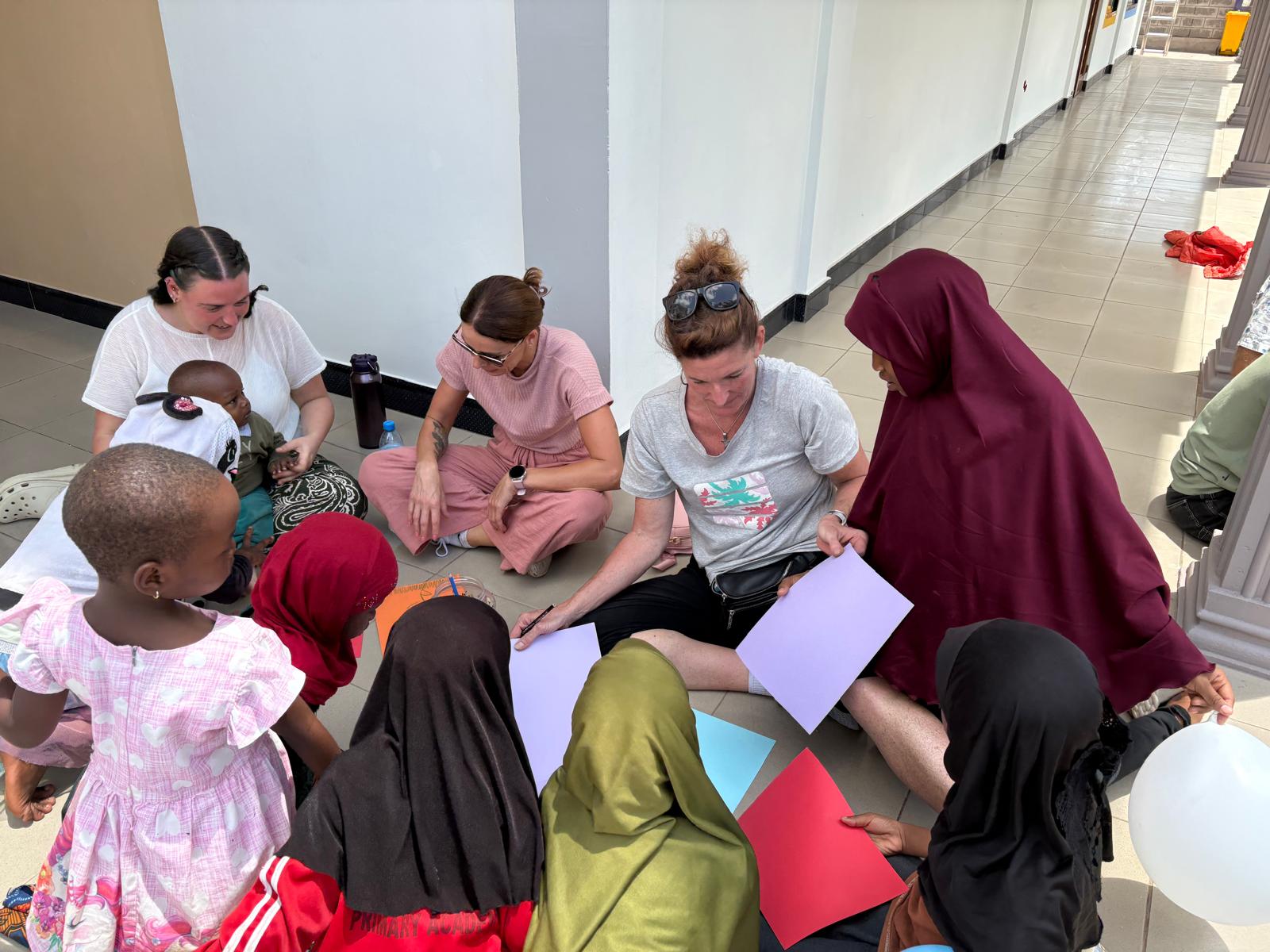
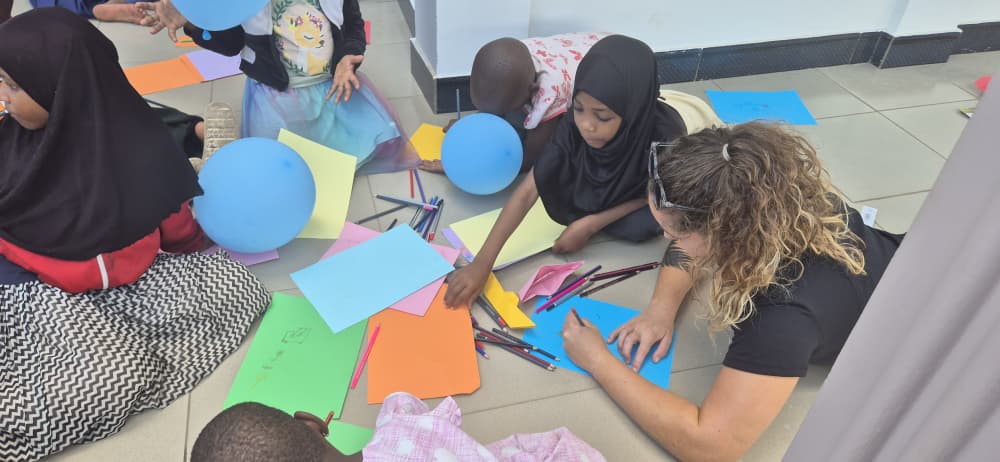
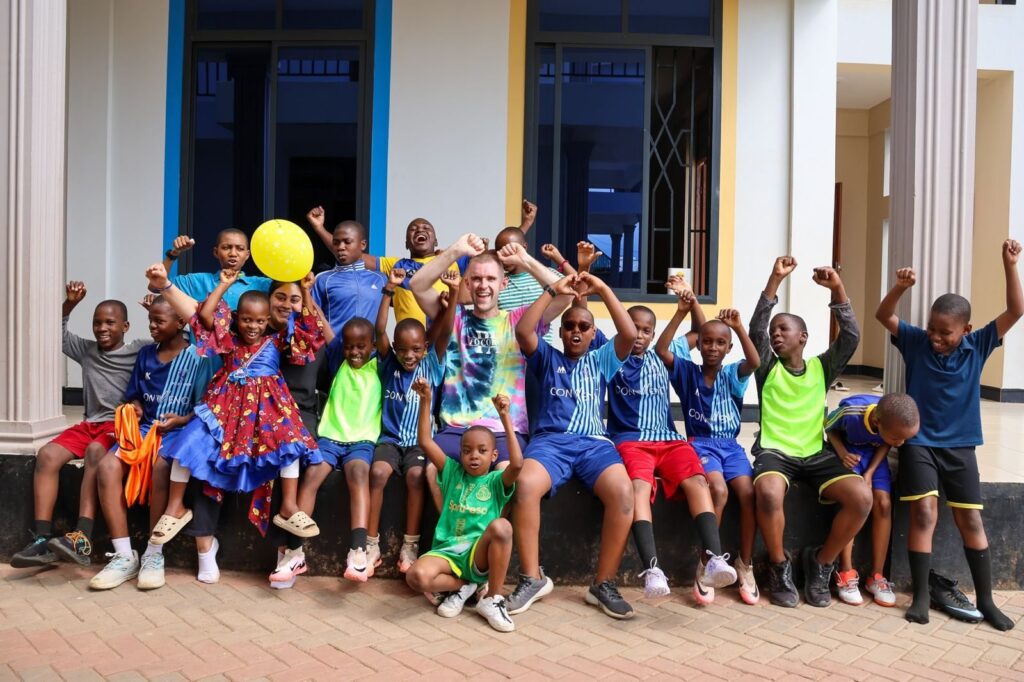
The following day, the group returned to Shabaha Children’s Home and enjoyed spending more time with the children, getting to know their personalities and interests. After sharing a snack of roasted cassava, they took part in a variety of activities together, including arts and crafts, memory games and creative play. The children were introduced to the card game ‘Snap’ and quickly developed a number of inventive – if slightly dubious – strategies to improve their chances of winning!

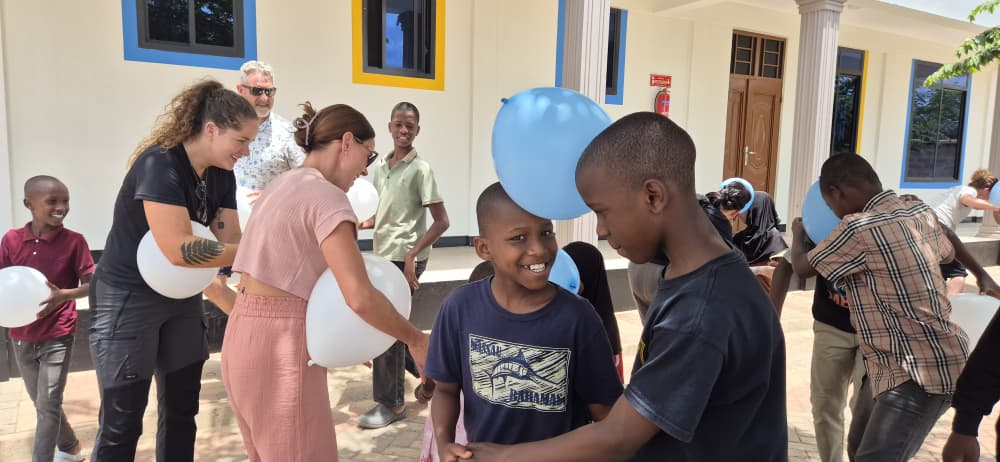
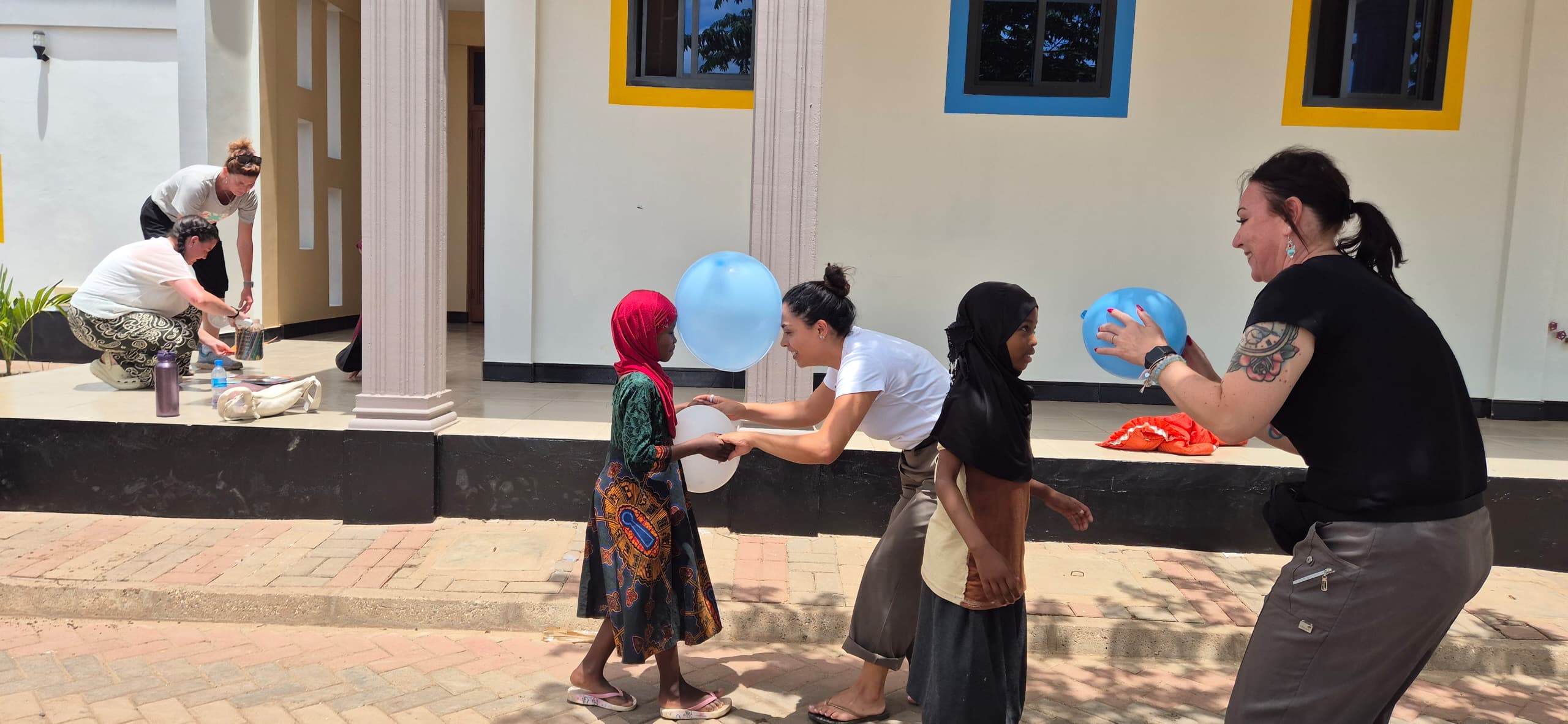
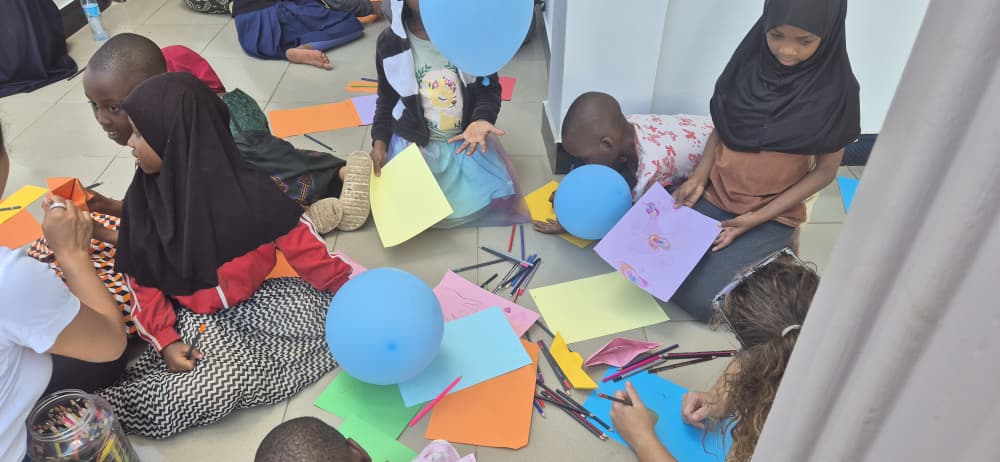
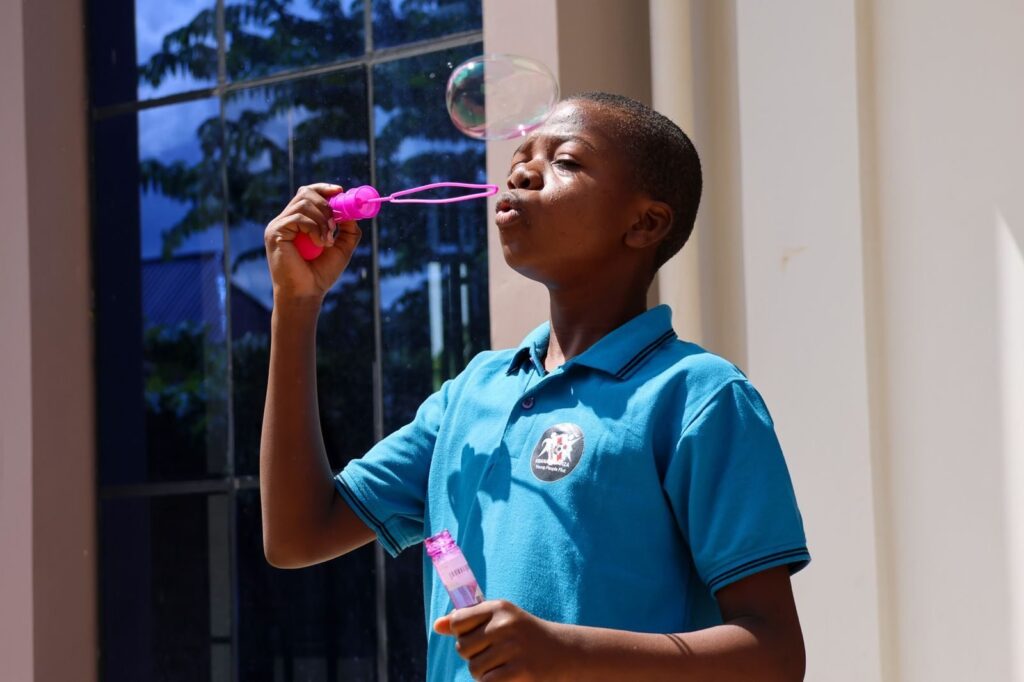
Models were made from homemade slime, while colourful pictures were created using stickers and pens. Before long, spontaneous dancing broke out, accompanied by balloons and bubbles, creating a wonderful sensory experience for everyone involved.

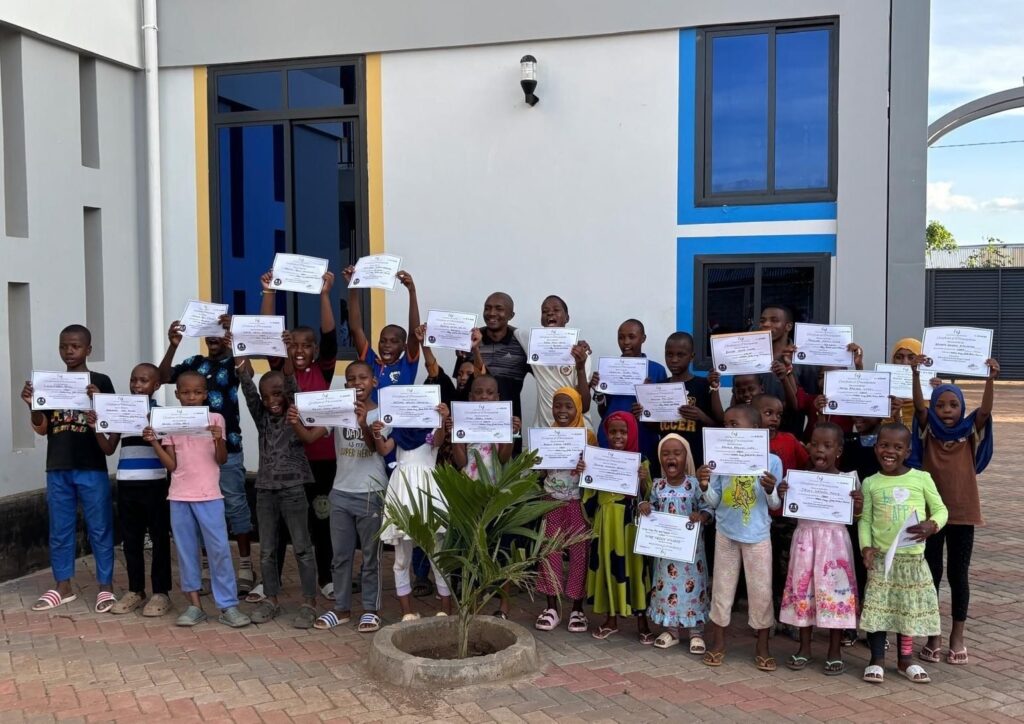
The fun continued on the sports field, where the children were introduced to the game of rounders before taking part in a highly competitive football match after a series of training drills. Afterwards, the children received special certificates in recognition of their participation, enthusiasm and efforts throughout the activities.

Later, the group visited Chemka Hot Springs to enjoy the beautiful woodland surroundings and a refreshing swim, with some bravely trying out the rope swing!

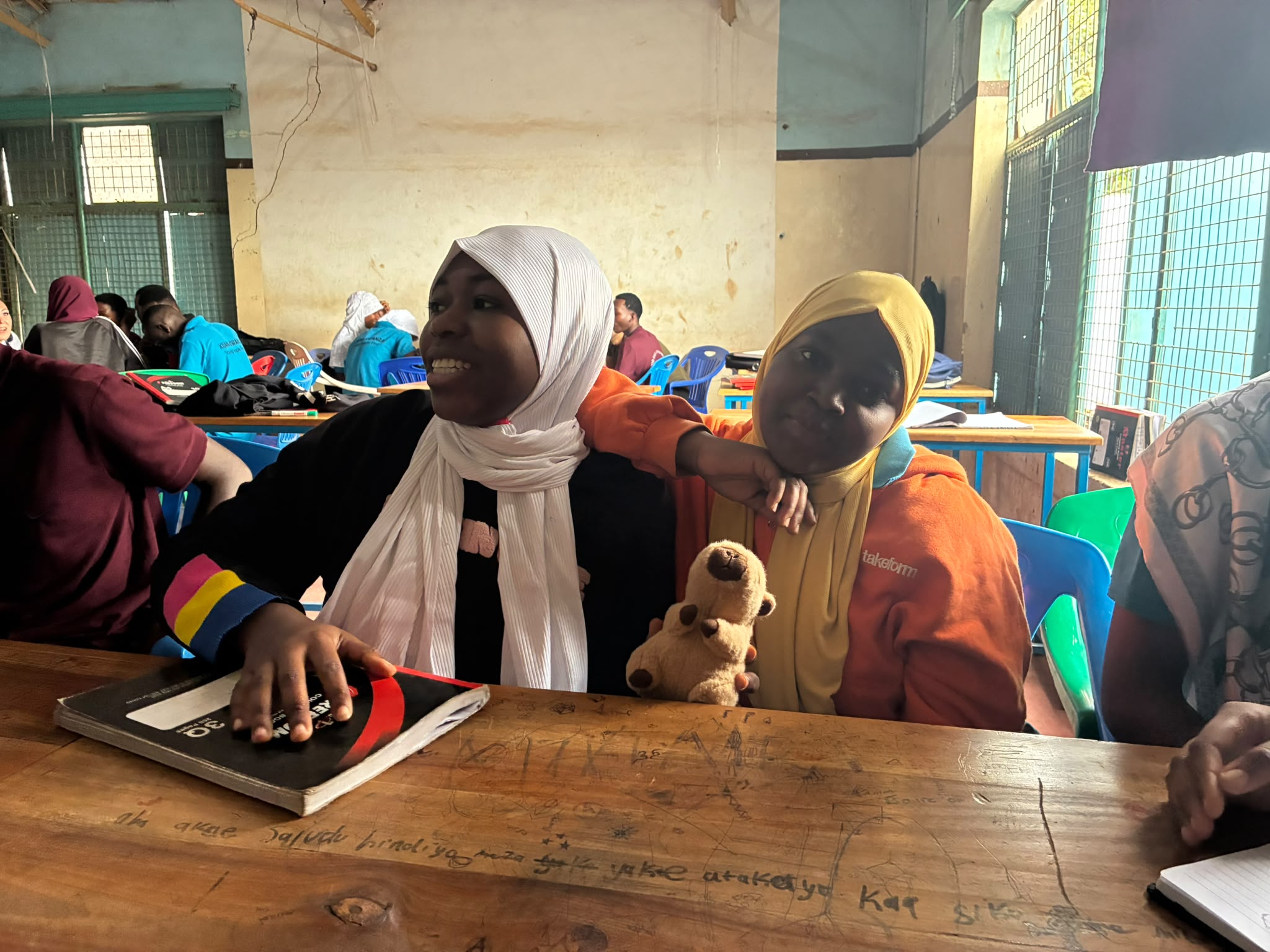
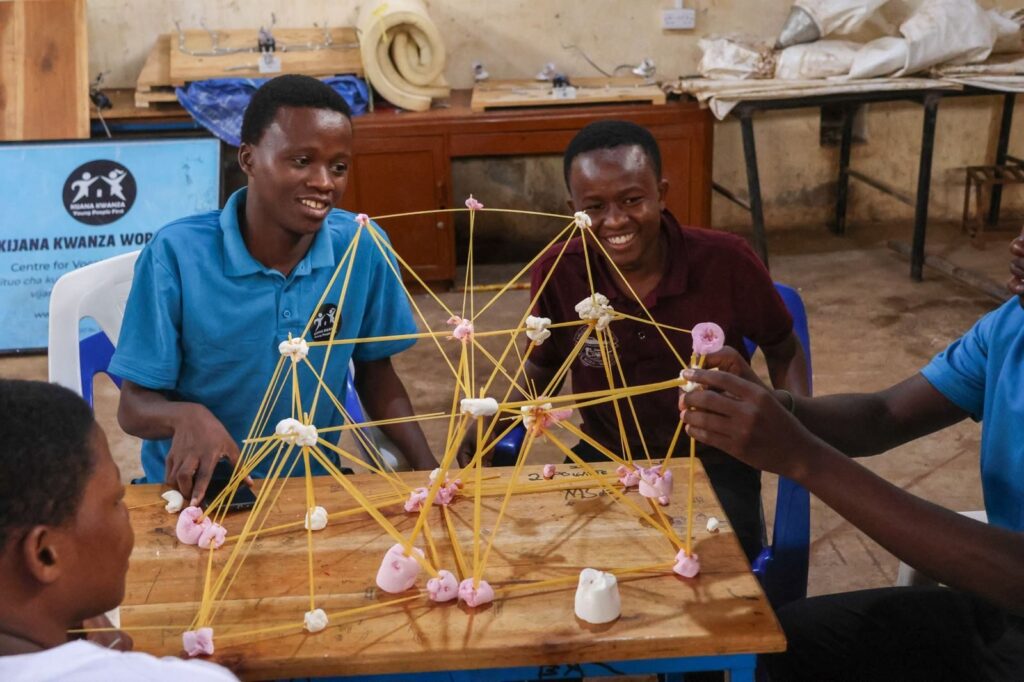
On the final day, our team visited Kijana Kwanza’s workshop to participate in training sessions with the vocational students who are learning a range of practical skills including metalwork, welding and electrical wiring. They covered a range of topics from managing emotions, teamwork and communication, to exploring key values relating to career paths. Everyone was impressed by the students’ level of participation, and the feedback was very positive.

In the evening, an emotional celebration was held at Shabaha Children’s Home, where our team was able to say their goodbyes to the wonderful children and KK staff for the last time on this trip. There were speeches, gift exchanges, dancing and quite a few tears! Friendships and bonds have been formed that will last a lifetime; every SBCH team member has been deeply moved by the warmth of the welcome they have received in Tanzania. For many, this has been their first trip, but surely not their last!

March/April 2026 Expedition

Our team returned to Tanzania to support Kijana Kwanza in March 2026, beginning with a visit to Kariwa Shelter where they spent time with the children, toured the school, and got to know everyone. They also shared a lovely lunch and, for some of the team, had a memorable first experience of eating with their hands.

The team also returned to Shabaha School for a volunteering session across arts and crafts, education and sport. From creative activities to a lively game of volleyball with pupils and teachers alike, it was a meaningful opportunity to connect. Each child received a certificate of participation, a small but powerful gesture of encouragement that was met with great pride.

Next, the group travelled to Shabaha Farm, where they were warmly welcomed by Farmer John and given a full tour. One of the highlights was getting hands-on, from milking cows to planting vegetable crops.

They also visited the new Shabaha Children’s Home, which we are proud to have supported the construction of. The team met the children, explored both the home and the school, and saw first-hand the nurturing environment that has been created.

At a hands-on workshop, they focused on developing young people’s practical skills, from building barbecues and carpet laying to crafting chairs and exploring electrical engineering. It was incredibly rewarding to see these skills already being applied at KK Bonite, one of Kijana Kwanza’s fostering homes currently under construction.

They also had the privilege of meeting a foster family, a mother caring for three children. The sense of love, stability and care within the home was clear to see, bringing to life the real difference this support makes every day.

At head office, the team met two young people who had progressed through the programme and are now running their own businesses nearby. One trained in tailoring and the other in mechanical engineering, yet both have adapted and built on their skills to create sustainable livelihoods.

They then took part in a range of training sessions exchanging knowledge, and comparing approaches with our work in the UK including HR, operations, marketing, and education. Social work sessions focused on care planning and key working, supporting holistic development, and ensuring young people remain at the centre of care at all times.

We were particularly inspired by Kijana Kwanza’s commitment to keeping young people engaged in education despite limited resources, and by how every young person is supported to pursue their aspirations. Their approach also focuses on helping young people transition into self-employment and entrepreneurship after their studies.

They also shared how activities such as singing and exercise are used to support bonding and wellbeing. A return visit to Shabaha School included an interactive session delivered by our team on teaching emotions in English and linking them to Swahili, followed by arts and crafts, where bracelets and keyrings were made using scoubidou.

The following day, our team accompanied Kijana Kwanza social workers on home visits, where they were warmly welcomed by nine families they support. Witnessing firsthand the realities these families face, and the resilience with which they navigate such immense challenges, brought into sharp focus just how vital KK’s work is within this community. Hearing a young person speak about how their life has been transformed through KK’s support was especially moving, and a powerful testament to the impact of this work.

Later, the team visited Chemka Hot Springs before sharing a meal prepared with fresh produce from the KK farm.

The next morning was spent at Kariwa, where the team joined the children in games of volleyball, tug of war, basketball and cards. One particular highlight was learning a creative game the children had invented using a ball made of socks – a simple yet powerful reminder of their resourcefulness and the joy they find in everyday moments.

That evening, the team returned to Shabaha for an emotional farewell. The night was filled with dancing, a shared meal, cake, thoughtful gifts and heartfelt speeches. Saying goodbye was incredibly difficult, but it did not feel like the end – rather, a “see you soon”.

It was a truly life-changing week, one for which everyone feels immensely grateful and privileged to have been part of. Witnessing the compassion, dedication and impact of KK’s work with vulnerable young people has been both deeply humbling and profoundly inspiring. The team returned with a renewed sense of perspective, gratitude and purpose.

We are also incredibly proud of Abs, who reached the summit of Mount Kilimanjaro, making it back down in four days, and personally raising over £1,400 for Kijana Kwanza – contributing to a team total of more than £6,300 for this expedition. A fantastic effort, both on the mountain and on the ground!

October 2025 Expedition

In October 2025, members of our team travelled to Tanzania to support Kijana Kwanza’s work directly. Drawing on their experience caring for children and young people in the UK, they helped deliver pastoral support, education and life skills training – all focused on helping young people prepare for independent living and future success. They also led workshops, debates and seminars to strengthen vocational training and community development, working alongside local teams to share ideas and create lasting impact.

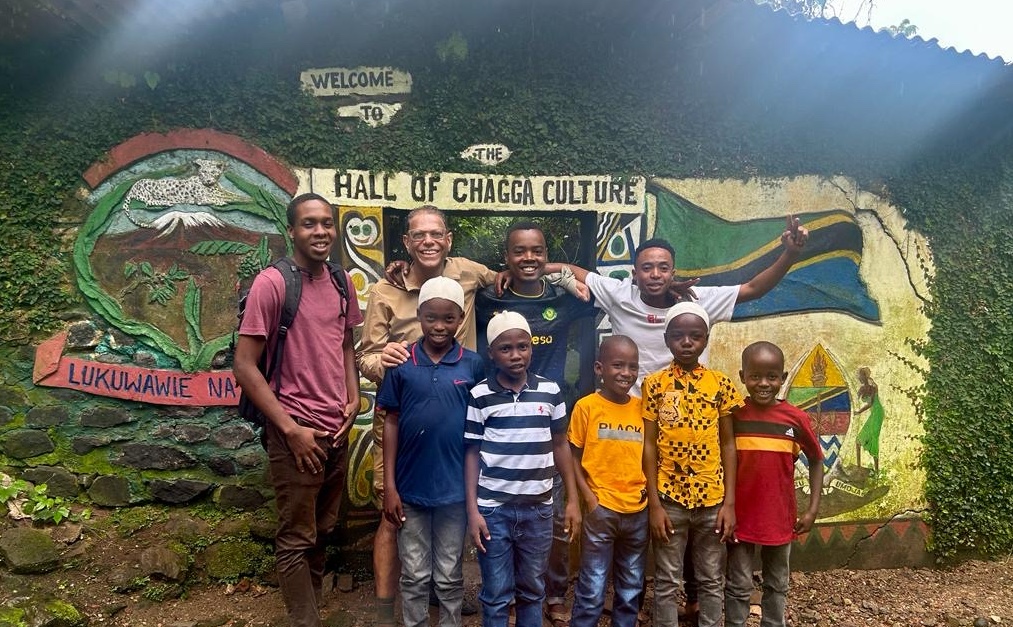
There were also some memorable trips – including visits to the Chagga Museum and nearby waterfalls, where the children joined the team for a day of fun, and an unforgettable afternoon with Farmer John on his farm.

The journey was not only inspiring and unforgettable, but also a powerful opportunity to live our values on an international stage. It brought our team even closer together and reminded us all how important it is to appreciate the comforts we often take for granted.

Some of our team then took on the physical and mental challenge of climbing Mount Kilimanjaro to raise vital funds and awareness for Kijana Kwanza’s work. The six-day trek tested their strength and resilience, but it was an extraordinary journey filled with joy, teamwork and purpose.

We are immensely proud of their achievement – and would like to thank everyone who has supported us so far in helping to create lasting, meaningful change in the lives of the young people supported by Kijana Kwanza.

Together, we raised over £5,000 to support Kijana Kwanza’s programmes, helping to provide education, care and opportunities for children and young people in Tanzania.