

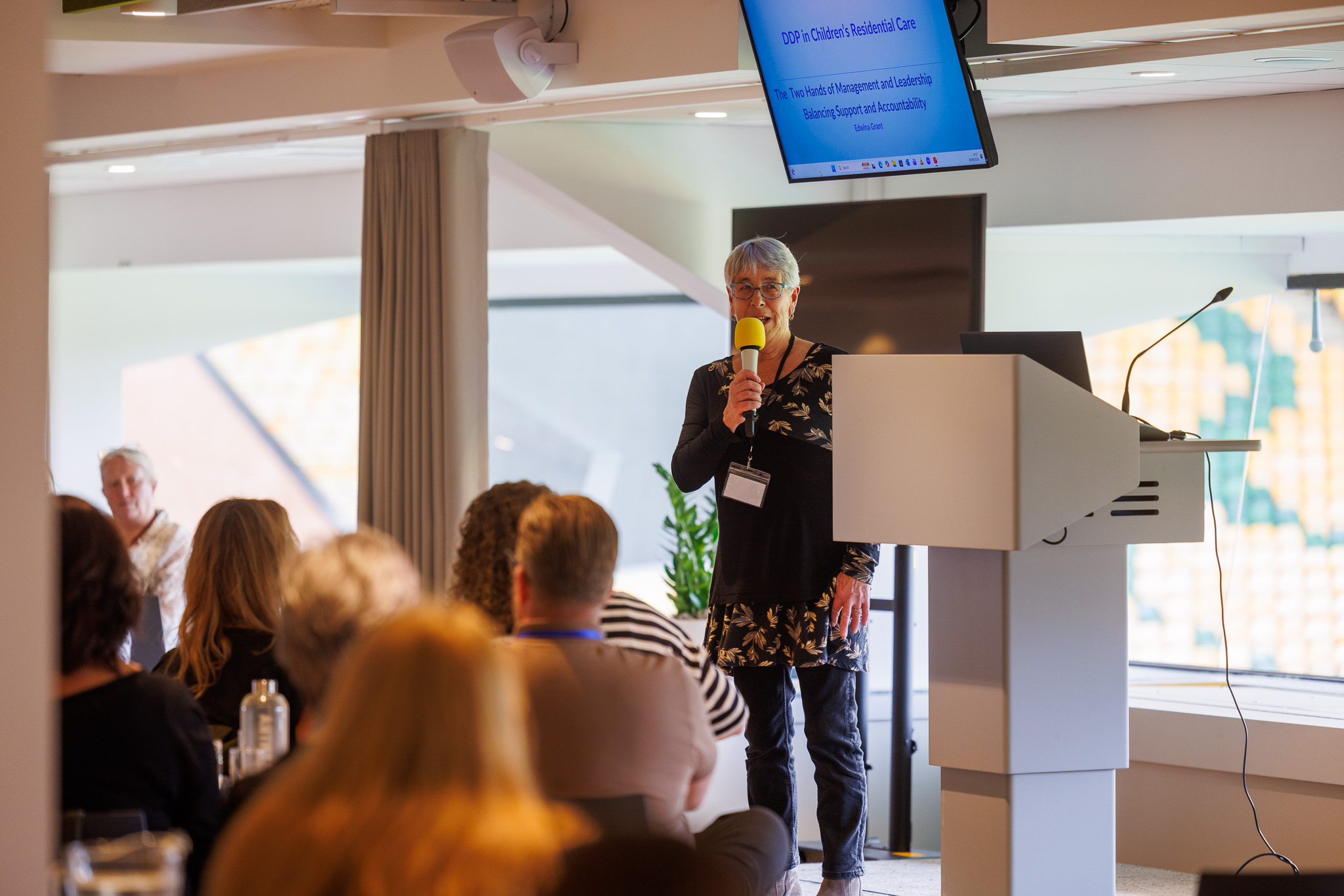
On Monday 28th September 2026, Clover Childcare Services hosted Bringing the DDP Model into Residential Care – UK Conference 2026, bringing together sector leaders, practitioners and care-experienced voices to explore how we can support residential childcare staff to strengthen wellbeing, resilience and therapeutic practice.

The day featured a programme of inspiring keynote talks and practical workshops exploring trauma-informed care, PACE-informed practice, Theraplay and reflective leadership in residential homes.
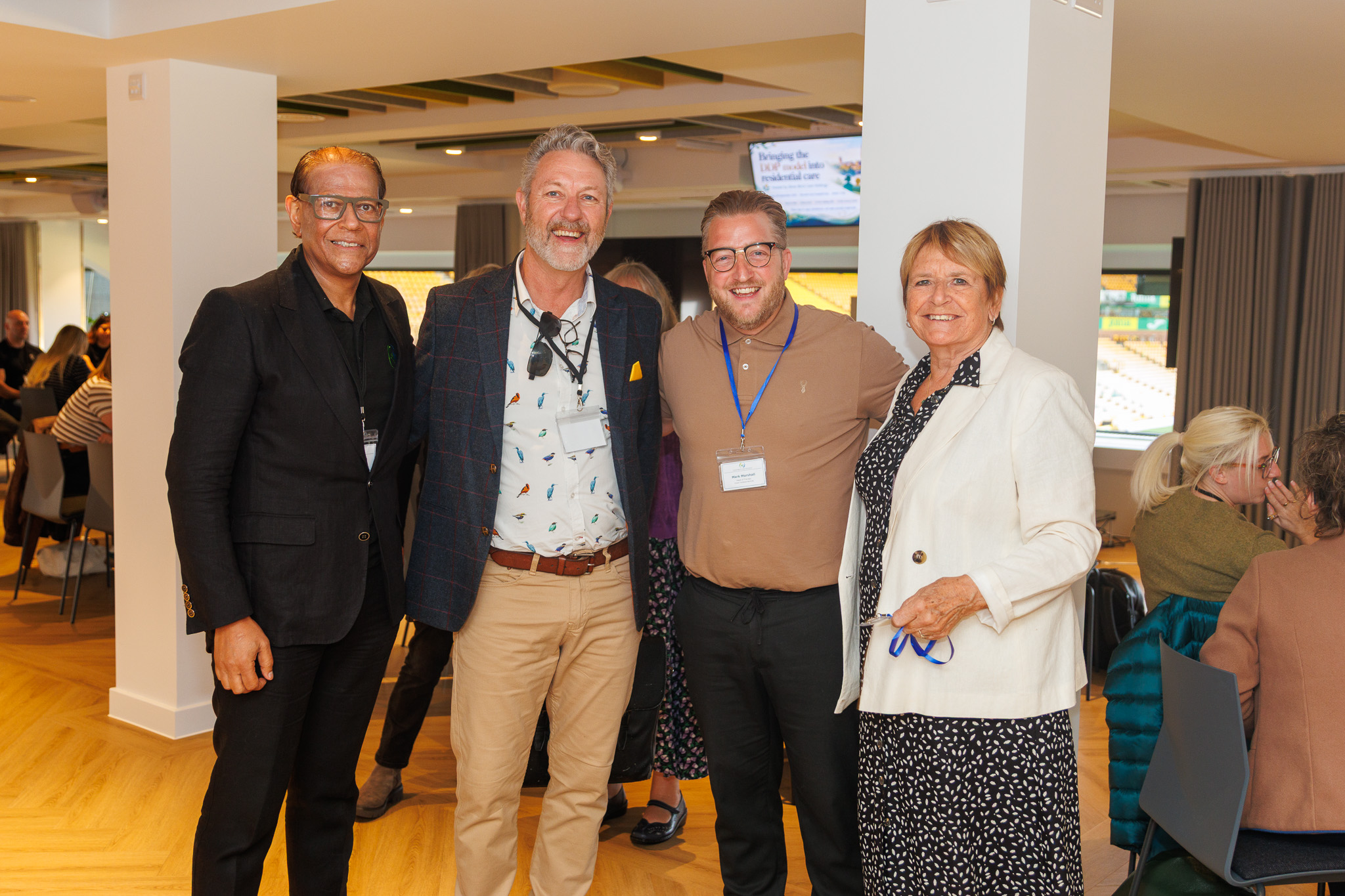
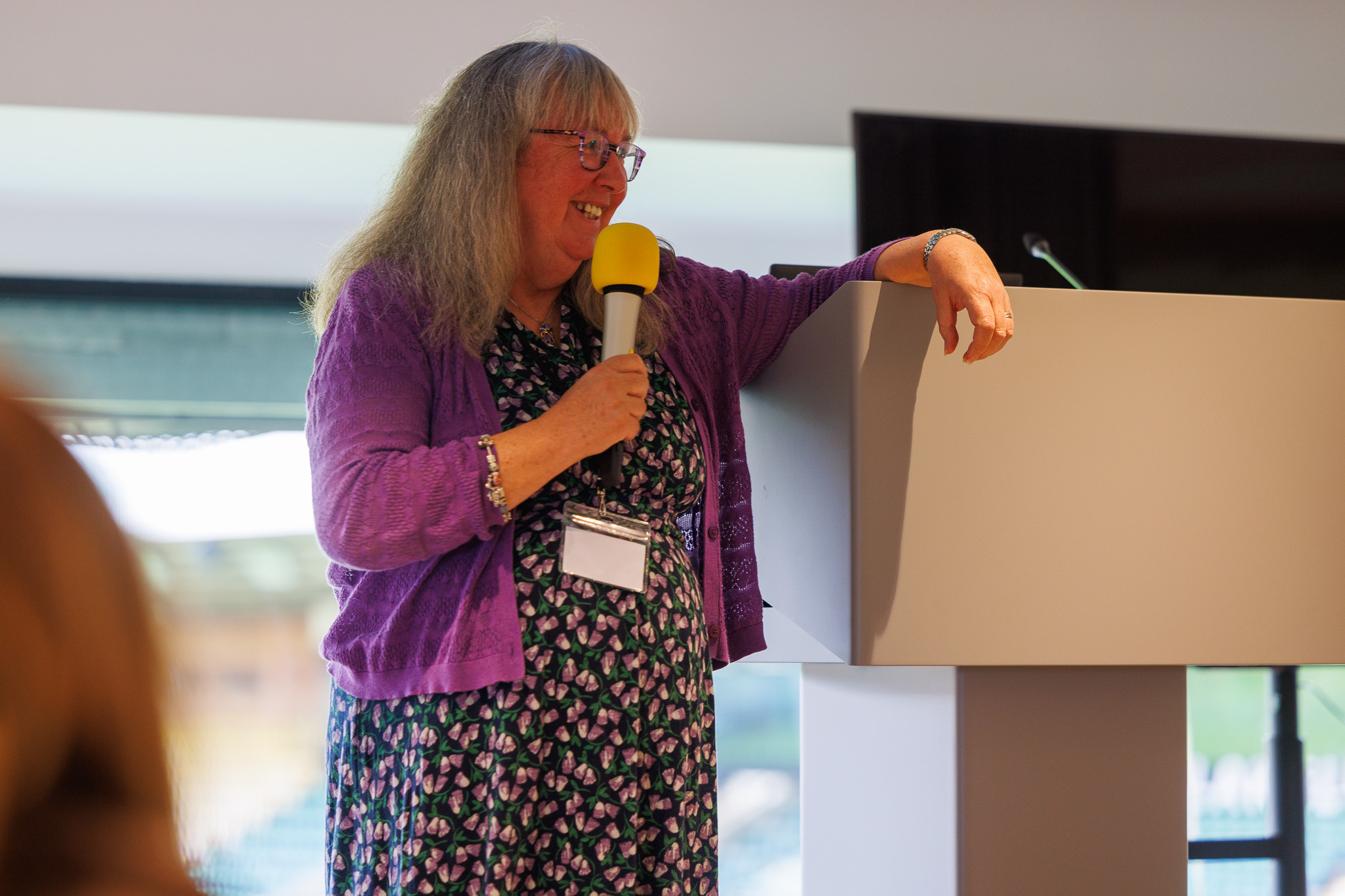
Clover Childcare Services is proud to be the UK’s first Dyadic Developmental Practice (DDP) Residential Certified Organisation, and we were delighted to welcome Kim Golding CBE, Edwina Grant, and Ben Gurney-Smith from the DDP Network as keynote speakers. Clover’s own Dan Holdsworth also led a session on Theraplay with interactive workshop activities. We were also privileged to hear from Mike Hurst of Lads Like Us, who shared his own experience as a survivor of childhood trauma.

At Clover Childcare Services, we have spent many years developing a therapeutic approach to residential care that is grounded in relationships, connection and an understanding of developmental trauma. We know that children who have experienced trauma, disrupted attachment, loss and instability do not simply need adults who can manage behaviour. They need adults who can remain emotionally available, curious, and connected when things become difficult. That belief has shaped our journey with DDP over many years.
What began as an interest in how the principles of DDP could support individual children gradually became something much bigger. We began to recognise that DDP was not simply something that happened within a therapy room. Its principles could influence how we spoke to children, how we responded to behaviour, how we supported one another as teams and, ultimately, how we understood our role as residential childcare professionals.

Over time, DDP and PACE became increasingly embedded across our organisation. Training, consultation, reflective practice and therapeutic support helped us move away from asking simply, “How do we stop this behaviour?”, towards questions such as, “What might this behaviour be communicating?”, “What has happened for this child?” and “What do they need from us in this moment?”
In 2022, Clover became the UK’s first DDP Residential Certified Organisation. It was an achievement we were extremely proud of, but certification was never intended to be the end of the journey. If anything, it strengthened our commitment to continuing to learn, reflect and develop.


One of the strongest lessons from our journey has been that therapeutic residential childcare cannot happen without emotionally supported adults. We ask a great deal of residential childcare staff. We ask them to remain calm when a child is dysregulated. To stay curious when they feel rejected. To offer empathy when behaviour feels personal. To provide consistency in the face of testing, anger and fear. We ask adults to repeatedly make themselves emotionally available to children whose previous experiences may have taught them that adults cannot be trusted. That work can be incredibly rewarding, but it can also be emotionally demanding.
PACE is sometimes spoken about as though it is simply a set of techniques that adults should use with children. Our experience has taught us that it is much more difficult to offer Playfulness, Acceptance, Curiosity and Empathy when we ourselves are stressed, frightened, overwhelmed, unsupported or exhausted.

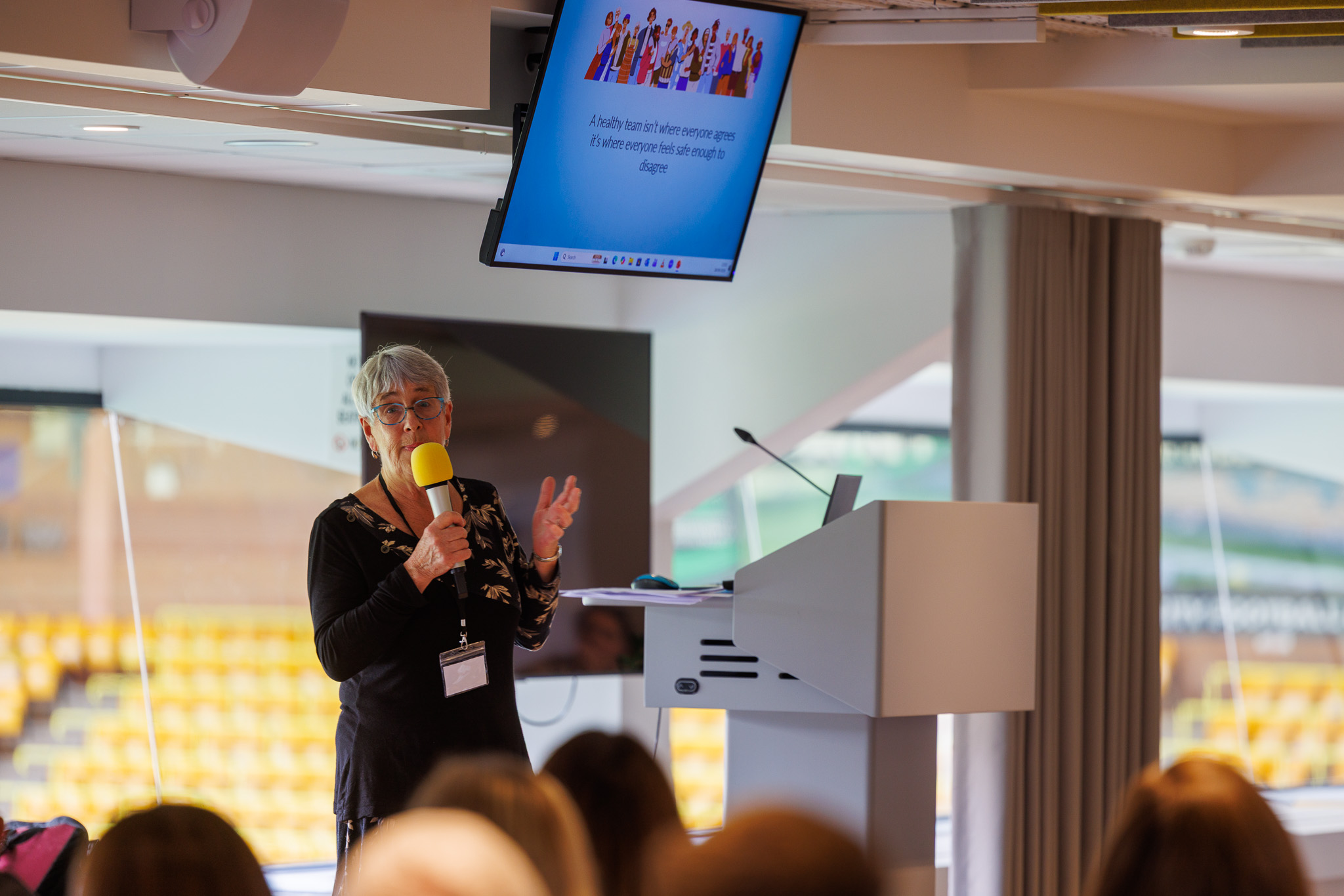
If we want adults to provide therapeutic care, we also need to create environments that care for the adults themselves. That was one of the central reasons for this conference.
We hope the day provided an opportunity to learn from some exceptional people, but also an opportunity to stop, reflect and recognise the importance of the work being undertaken every day across residential childcare.


What is DDP?
Dyadic Developmental Psychotherapy and Practice (DDP) was developed by Dr Dan Hughes and is an attachment-focused and trauma-informed approach for supporting children and young people who have experienced developmental trauma within their important relationships.
At its heart is an understanding that many children who have experienced abuse, neglect, loss or disruption have learned ways of surviving that made sense within their earlier experiences.
Control, rejection, anger, avoidance, dishonesty, withdrawal and many of the behaviours adults can find challenging may have developed as ways of staying emotionally or physically safe.
DDP invites us to look beneath behaviour.
Rather than beginning with “What is wrong with this child?”, we become interested in “What has happened to this child, what might they be protecting themselves from, and how can our relationship help them begin to feel safer?”
Relationship is central.
Through emotionally attuned relationships, children can gradually experience adults as safe, predictable and trustworthy. Over time, they can begin to develop new understandings of themselves and others.

PACE
One of the best-known elements of DDP is the attitude of PACE:
- Playfulness – bringing appropriate lightness, warmth and enjoyment into relationships.
- Acceptance – communicating that the child’s inner experience, thoughts and feelings can be understood and accepted, even when particular behaviours cannot.
- Curiosity – wondering alongside the child about what might be happening for them, rather than assuming that we already know.
- Empathy – communicating that we recognise and care about the child’s emotional experience.


PACE is not a script. It is not about finding the perfect sentence or responding correctly every time. It is an attitude that communicates:
“I am interested in you. I am trying to understand you. Your feelings make sense to me. Our relationship can survive difficult moments, and I am still here.”


For children whose early relationships have often communicated something very different, this can be profoundly important.
Thank you to everyone who joined us at the conference to listen, share ideas, ask questions and take these conversations back into their own organisations and teams.

If you would like to learn more about our therapeutic approach or our work with DDP, please contact Mark Marshall, our Head of Therapy, DDP Practitioner and PACE Trainer.