
Our Therapeutic Approach
Our Therapeutic Approach
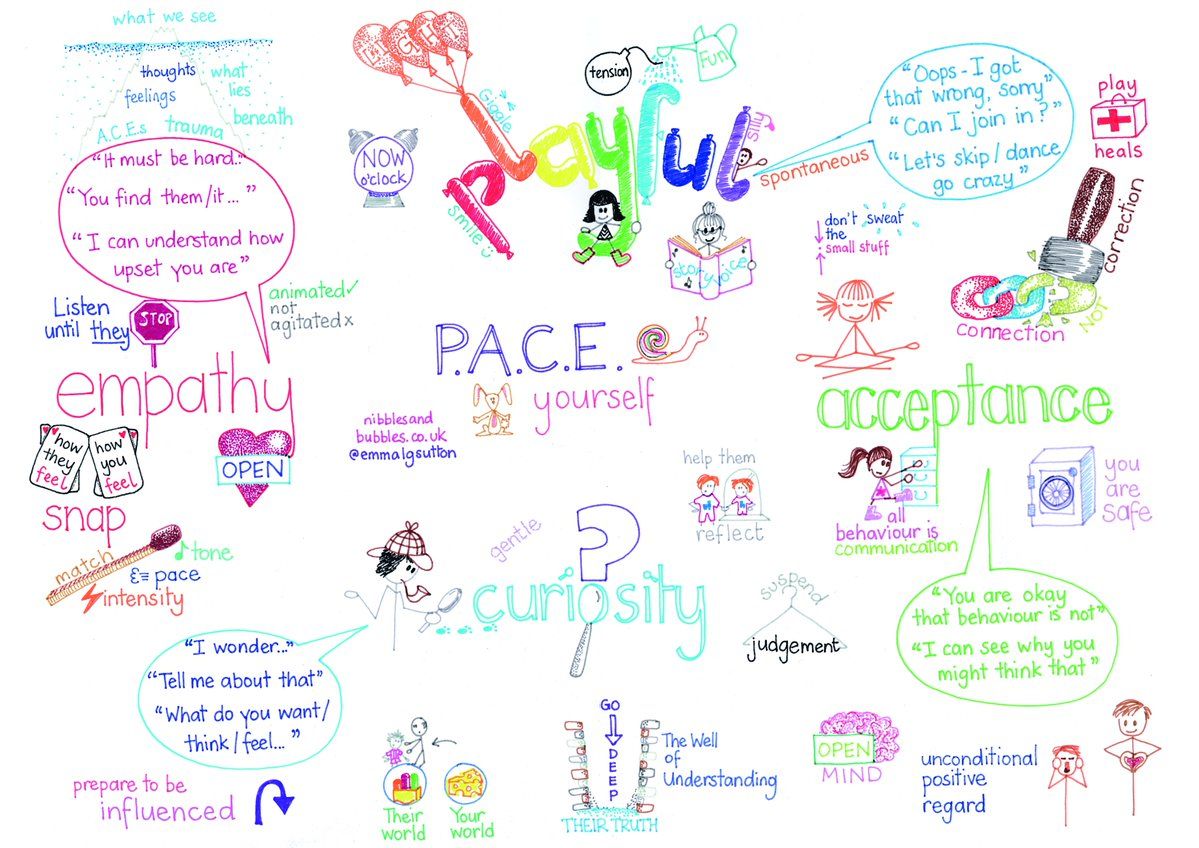
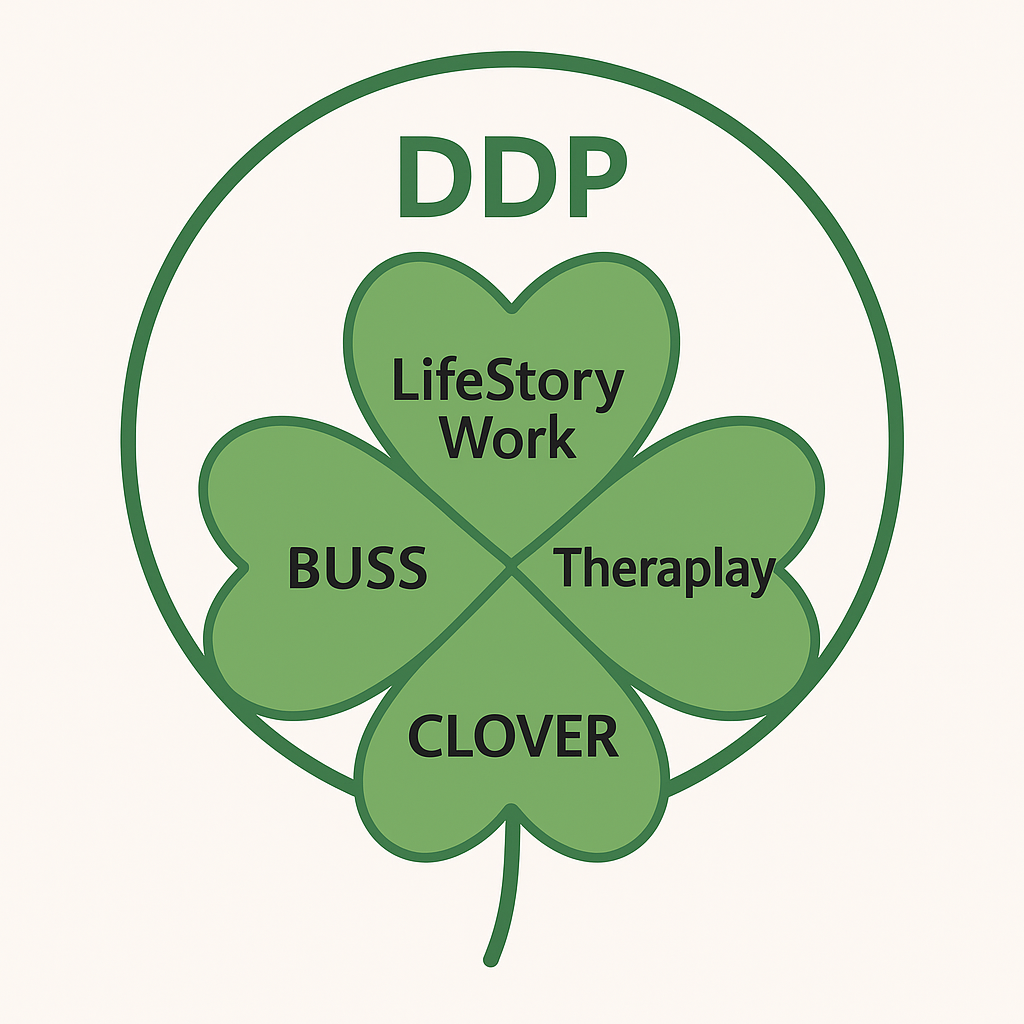
At Clover, Dyadic Developmental Psychotherapy (DDP) is our overarching therapeutic approach and we are proud to be the UK’s first DDP Residential Certified Organisation. Grounded in attachment theory and built on the principles of PACE (Playfulness, Acceptance, curiosity, and empathy), DDP provides the foundation for all our therapeutic work.
Within this framework, we offer a range of integrated therapies to support each child’s unique needs.

Theraplay is a playful, relationship-focused intervention that strengthens connection and builds trust through structured, interactive activities.

Life Story Work helps children make sense of their past and build a coherent narrative about their lives, supporting identity and emotional wellbeing.

BUSS® (Building Underdeveloped Sensorimotor Systems) addresses gaps in early physical development that can impact emotional regulation and learning, using movement-based activities to support foundational neurological growth.
Together, these approaches create a nurturing and holistic therapeutic environment where healing and growth can take place.
Supporting Children with Complex Needs
At Clover Childcare Services, we care for children and young people who have often experienced early trauma, including separation, loss, neglect, abuse, and instability. These experiences can shape how a child sees the world, making it difficult for them to trust adults or form healthy relationships.
Many of the children referred to us have faced:
- Attachment difficulties
- Multiple placement or permanency breakdowns
- Entrenched behaviours and developmental trauma
A Calm Setting for Healing
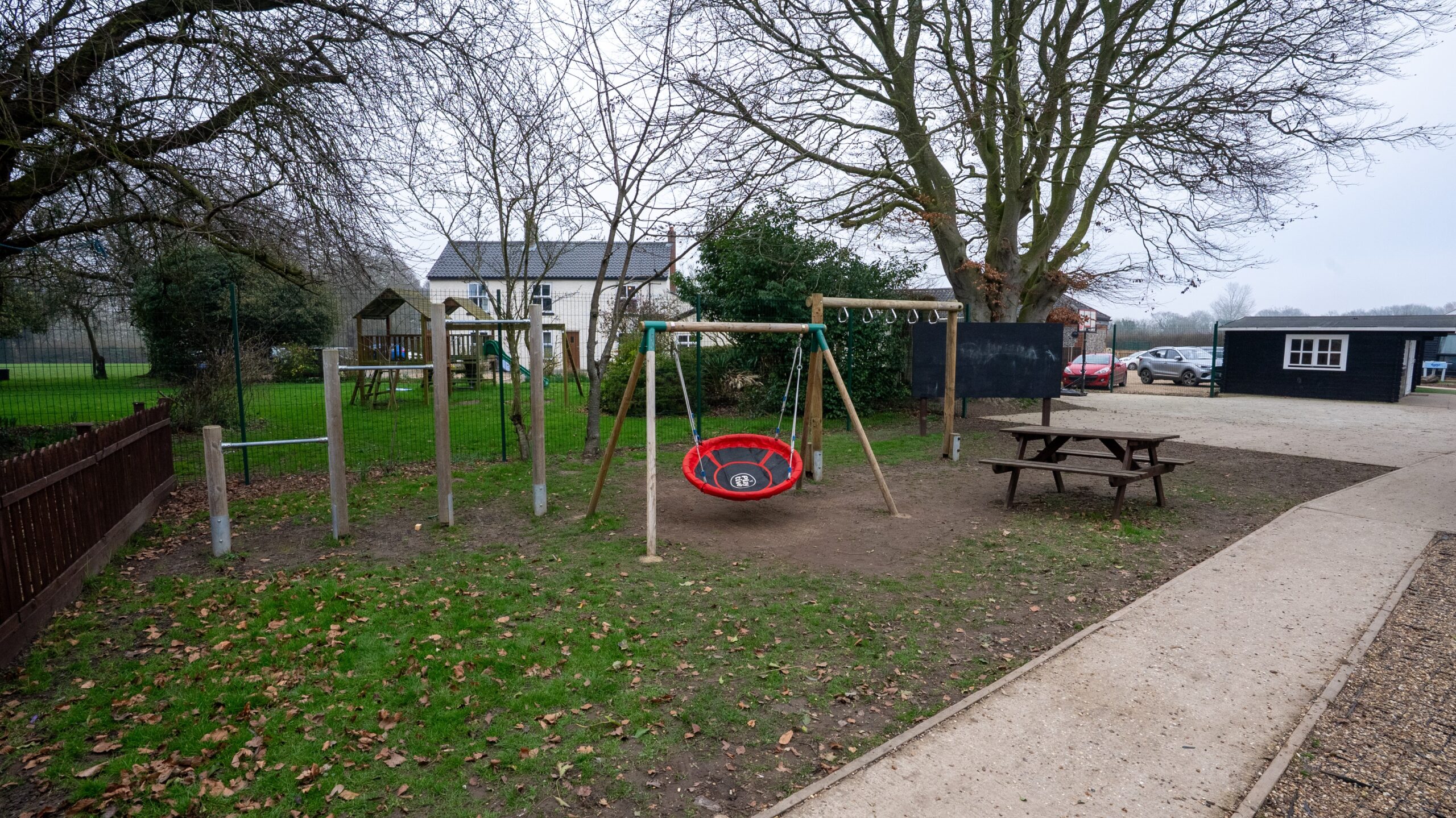
All of this takes place in a serene rural location, nestled between the Norfolk Broads and the coast. Here, young people benefit from:
- Therapeutic routines
- A balance of structured activities and primary play
- Connection to nature and a sense of calm that supports emotional regulation
Placement Stability and Therapeutic Care
Since opening in 2007, Clover Childcare Services has consistently achieved high levels of placement stability across all of our homes. We specialise in medium- to long-term placements for young people who:
- Have emotional and behavioural difficulties
- Present with complex health and social care needs
- Have a history of insecure attachments and challenging behaviour
- Have experienced multiple breakdowns in foster care or residential settings
- Require a core assessment to support ongoing care planning
Wherever possible, placements are made in a planned and considered way. However, we also understand that emergencies happen. Same-day placements may be accommodated depending on:
- The needs of the referred child or young person
- The needs and dynamics of the current resident group
- Agreement from all involved parties that the placement is suitable
- Availability of detailed background information to support safe care
- A short-term plan and review date being agreed in advance
Expert-Led Therapeutic Support
Our therapeutic model is informed and supported by:
- Dr Lesley Ashby, Consultant Child and Adolescent Psychiatrist
- Dr Ben Gurney-Smith, Chartered Clinical Psychologist
Dr Ashby works closely with staff teams to explore any attachment, psychiatric, or developmental issues indicated in a child’s presentation. Together, we reflect on these needs to develop effective therapeutic interventions that promote healing and growth.
Dr Gurney-Smith provides specialist training to all staff in Facilitating Attachment-Based Practice, and offers Dyadic Developmental Psychotherapy (DDP) for children who are assessed as ready to engage in this deeper therapeutic work.
Creating Safety and Connection
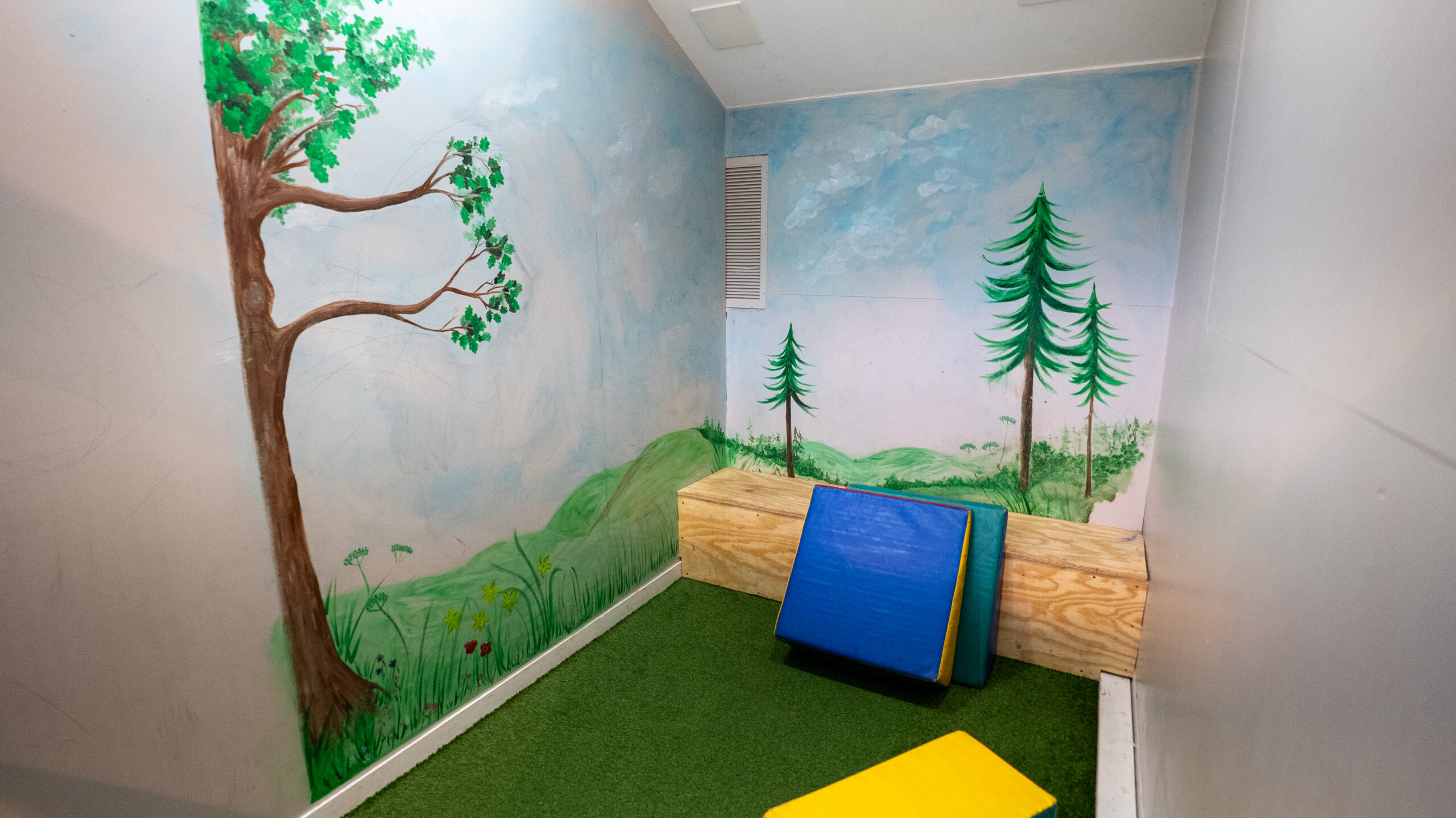
Our team is skilled in containing the anxiety and distress that children often bring with them, particularly following family breakdown or disrupted placements. We provide:
- Clear, consistent boundaries
- Predictable, nurturing routines
- A safe, structured environment where trust can grow
Through this stability, children begin to feel emotionally contained, allowing them to safely explore their world and build new, healthy relationships.
The Importance of PACE in Residential Childcare
PACE – which stands for Playfulness, Acceptance, Curiosity and Empathy – is a powerful, trauma-informed approach to building safe, trusting relationships with children and young people. In residential childcare, where many children have experienced significant adversity, PACE offers a way of connecting that supports emotional healing and behavioural growth.
By approaching children with warmth, openness and a genuine desire to understand their inner world, staff can reduce conflict, strengthen attachment, and help children feel safe enough to explore their thoughts and feelings. Over time, this can lead to improved emotional regulation, increased trust in adults, and a stronger sense of self-worth.
But PACE doesn’t just help children – it supports adults too. Residential care work can be emotionally demanding. PACE provides a consistent framework that helps teams stay grounded, reflective, and connected to each other and the young people they support. It fosters a culture of empathy and understanding, making the work more sustainable and emotionally rewarding.